
 合約交易
合約交易 理財
理財Vitalik Buterin’s Crypto Investment: Privacy-Focused Messaging Apps

Key Takeaways
- Vitalik Buterin has donated a significant amount of Ethereum to two lesser-known privacy messaging applications, Session and SimpleX, indicating a strategic investment in privacy technology.
- Session, designed to protect user identity by not requiring a phone number, employs a decentralized, onion-routing-like architecture to ensure privacy.
- SimpleX pushes privacy boundaries even further by eliminating user IDs entirely, emphasizing ephemeral identities for communication.
- The two applications follow different business models; Session utilizes a token-based system, while SimpleX remains finance-neutral to prevent financial speculation.
- Common challenges in decentralized privacy communication, such as latency and multi-device synchronization, are highlighted as areas needing further development.
WEEX Crypto News, 2025-11-28 09:47:07
Vitalik Buterin’s Strategic Privacy Investment
On November 26, Vitalik Buterin, renowned as the creator of Ethereum, made a noteworthy donation of 256 ETH, approximately valued at $760,000, to two privacy-focused messaging platforms, Session and SimpleX. These platforms, relatively unknown outside the niche circle of crypto enthusiasts, received this substantial financial boost with much interest and speculation in the digital privacy community. Buterin’s donation, positioned right after the European Council’s agreement on the “Chat Control” proposal, underlines a clear stance: existing privacy messaging options are insufficient, and there is a pressing need for alternatives offering greater privacy safeguards.
Session: Decentralized Privacy Messenger
The Design and Features of Session
Session is a decentralized, end-to-end encrypted messaging app that stands out with its unique feature of not requiring a phone number upon registration. Launched in 2020 by the Oxen Privacy Tech Foundation and later moved to Switzerland due to legislative changes in Australia, Session prioritizes user anonymity through randomly generated 66-character Session IDs. This method eliminates any potential linkage to real-world identities, making it a robust choice for privacy-conscious individuals.
The underlying technology of Session is comparable to onion routing, where each message sent is encrypted in layers and routed through randomly selected nodes. The intentional design prevents any single node from knowing both the sender and recipient, thus ensuring complete communication anonymity. Global participation is encouraged, with over 1,500 Session Nodes operating in more than 50 countries, all requiring a stake of 25,000 SESH tokens to ensure commitment.
Enhancements and User Experience
In May 2025, Session underwent a crucial upgrade, transitioning from the Oxen Network to its own Session Network based on a proof-of-stake consensus mechanism. This shift allows node operators to earn rewards while contributing to network maintenance. While the application supports various communication forms, such as text, voice, images, and encrypted group chats, users have noted latency in notifications, a common trade-off for decentralized architectures. Moreover, multi-device synchronization remains a challenge that the platform is working to overcome.
SimpleX: Extreme Privacy without IDs
SimpleX represents a bold step further in privacy by completely eliminating user identifiers, setting it apart from conventional messaging apps, which typically employ identifiable elements like phone numbers or user IDs. This approach results in each communication link having a unique, one-time-use message queue, thereby preventing any correlation between conversations with different contacts.
Innovation and Protocol
SimpleX’s innovation lies in its messaging protocol, which relies on relay servers to temporarily store encrypted messages. These messages are deleted upon delivery, ensuring no user data retention. Being fully open-sourced on GitHub adds a layer of transparency and security assurance to users. Founded in 2021 by Evgeny Poberezkin, SimpleX has attracted attention and capital support, including acknowledgment from Twitter’s Jack Dorsey, enhancing its credibility in the tech space.
Practical Use and Limitations
Operating SimpleX reveals a minimalist user interface that supports various message forms and offers a unique contact addition mechanism via disposable links or QR codes. However, the extreme privacy focus means all user data is locally stored; thus, changing devices necessitates re-establishing all communication links, a trade-off for those prioritizing privacy over convenience.
Commercial Models: Token Incentives vs. Financial Neutrality
Session’s Token-based Approach
Adopting a classic Web3 approach, Session integrates the SESH token into its network operations. This token acts as a guarantee for node operation and is the currency for rewarding network maintenance activities. Future financial services on the platform may also utilize SESH, fostering an ecosystem where participants are economically incentivized to maintain network integrity and stability.
SimpleX’s Rejection of Tokenization
In stark contrast, SimpleX, under Poberezkin’s guidance, steers clear of tradable tokens which could foster speculative behavior, potentially distracting from the application’s core privacy mission. Instead, SimpleX secures funding through venture capital and user donations, with plans to introduce non-tradable Community Vouchers for server usage payments in 2026. This strategy ensures operational funds without invoking speculative risks.
Challenges in Decentralized Privacy Communication
Vitalik Buterin’s investment in these applications acknowledges the inherent challenges within privacy-centric communications. Decentralized systems often face latency issues due to the need for data routing across multiple nodes, affecting real-time communication efficiency. Moreover, the lack of centralized data storage complicates seamless multi-device message synchronization. The prevention of Sybil attacks and ensuring robust DoS protection without traditional identity verification methods is another notable challenge.
Transitioning entirely to privacy-focused platforms like Session and SimpleX might currently be inconvenient for average users due to these technical setbacks. Nonetheless, for those deeply invested in digital privacy and understanding the extent of potential security, these applications are worth exploring.
Conclusion
Vitalik Buterin’s strategic donation is more than a financial endorsement; it’s a clarion call to the industry to re-evaluate and invest in aggressive privacy measures in communication technologies. While these applications are not flawless, they embody a decisive step toward future-proofing digital privacy. As innovations continue to bridge the gaps highlighted, the opportunity for mainstream adoption grows, marking a pivotal evolution in how users engage securely in a rapidly digitalizing world.
FAQ
What is the main feature of Session?
Session offers decentralized end-to-end encrypted messaging without requiring a phone number, ensuring user anonymity through a 66-character Session ID.
How does SimpleX achieve privacy without user IDs?
SimpleX eliminates traditional user identifiers by creating unique message queue addresses for each contact, ensuring no metadata links conversations to a single user.
What business models do Session and SimpleX follow?
Session utilizes a token-based model for network maintenance rewards, while SimpleX remains financially neutral, avoiding tradable tokens to prevent speculation.
What are the common challenges faced by decentralized messaging apps?
Decentralized apps often grapple with latency issues, multi-device synchronization complexities, and the need for robust protective measures against fake accounts and attacks.
Why did Vitalik Buterin choose to invest in these privacy applications?
Buterin sees the need for enhanced privacy solutions beyond current offerings, investing to stimulate development in tackling existing technical and security challenges.
猜你喜歡

人工智能代理正在取代加密貨幣研究?自主人工智能如何重塑加密貨幣交易
人工智能正從輔助交易者轉向自動化整個加密貨幣市場的研究到執行流程。優勢已從人類洞察力轉向數據管道、速度和可立即執行的AI系統,AI整合的延遲正成為競爭劣勢。

加密貨幣市場中的AI交易:從自動化交易機器人到算法策略
人工智能驅動的交易正推動加密貨幣市場從散戶投機轉向機構級競爭,在此領域中,交易執行與風險管理的重要性已超越趨勢判斷。隨著人工智能交易規模的擴大,系統性風險與監管壓力同步攀升,這使得長線業績表現、穩健的系統架構以及合規性成為核心競爭優勢。

人工智能情緒分析與加密貨幣波動性:什麼因素會影響加密貨幣價格
人工智能情緒正日益影響加密貨幣市場,人工智能相關預期的變化會轉化為主要數字資產的波動率。加密貨幣市場往往會放大人工智能相關的敘事,使得情緒驅動的資金流動在空頭貸款期限超過基本面因素。了解人工智能情緒的形成和傳播方式,有助於投資者更好地預測風險週期,並把握數字資產的投資機會。
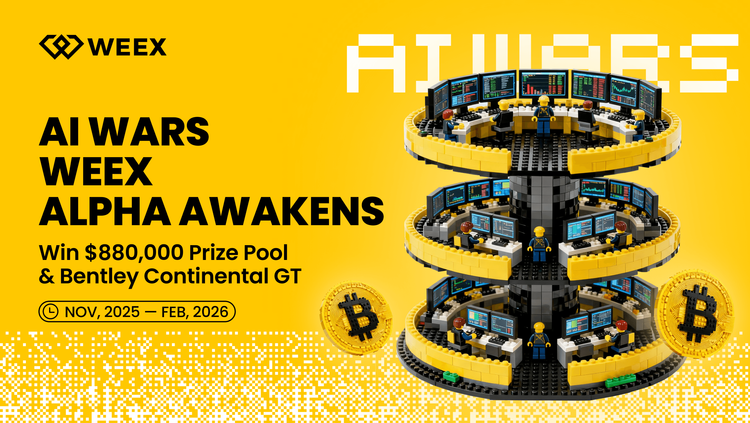
WEEX推出“AI戰爭:《阿爾法覺醒》:首屆全球加密貨幣人工智能交易黑客馬拉松,總獎金高達88萬美元
《》AI戰爭的獨特之處在於:WEEX Alpha覺醒 AI交易黑客馬拉松的獨特之處,不僅在於挑戰任務本身,更在於其背後的深遠意義。本次競賽總獎池高達88萬美元,堪稱人工智能交易賽史上最高獎勵之一。冠軍將駕駛一輛賓利歐陸GT駛回家中,該車價值約50萬美元( ),堪稱精準操控與高壓掌控的完美象徵。除最高獎項外,還將向表現最佳的團隊發放總額20萬美元的贊助商獎金及10萬美元的WXT代幣獎池。

WEEX亮相2025年里斯本中國國際圖書博覽會:助力加密內容創作者,點燃AI交易時代——即將舉辦的黑客馬拉松
WEEX將參與2025年CCCC里斯本峰會,並即將推出《AI戰爭》:WEEX Alpha Awakens黑客馬拉松將標誌著其在歐洲及更廣闊地區戰略擴張的關鍵一步。

從0到百萬美元:五步教你通過錢包追蹤跑贏市場

加密市場調整中的 Meme 幣:WhiteWhale 暴跌75%
關鍵要點 受到近期市場調整的影響,WhiteWhale 的價格在過去 24 小時內下跌了 32.3%,總共較 1 月 10 日的高點低了 75%。 不僅 WhiteWhale,其他 Meme 幣如 RALPH 也經受了顯著下跌,顯示市場對這類幣種的投資風險。 市場修正使得新型…

# 加密貨幣市場回調:顯示全球區域市場變化
Key Takeaways 2026年1月15日的市場調整影響了多個加密貨幣,IP(Story)的跌幅達到25.06%,顯示出市場獲利回吐的情況。 Canton Network的價格下跌受到對政策環境的謹慎態度影響,尤其是在穩定幣收益規則的調整上。 PEPE(Pepe)的價格回落是由於大戶投資者止盈和市場熱度降溫。 Render在AI應用拓展的背景下遭遇技術面壓力,市場重新評估其估值。 整體而言,市場的回調反映了在新年初漲勢後的風險釋放。 WEEX Crypto News, 15 January 2026 加密貨幣市場調整:IP(Story)的跌幅及其背景 在2026年1月15日的交易日中,加密貨幣市場經歷了顯著的調整。根據CoinMarketCap的數據顯示,前五大跌幅的幣種中,IP(Story)以25.06%的跌幅位居首位。IP的價格在經歷兩週內接近100%的強勢反彈後,陷入了市場的獲利回吐潮。一些分析認為,IP的此前上漲,主要受益於韓國市場的短期資金活躍,這一上升缺乏全球市場的全面支持,結構性分歧逐步顯露,引發資金撤離。 Canton Network面臨政策環境的挑戰…

白鯨和黑鯨:市場修正下的命運變遷
Key Takeaways 白鯨價格從高點下跌75%,暴露了新興虛擬貨幣的市場波動性。 黑鯨價值上升50%,成為市場討論的焦點,或有超越白鯨的潛力。 市場修正下,其他熱門新興代幣如老子和生命K線也出現了明顯的價格下跌。 鯨魚投資者活動頻繁,對市場走勢的影響日益增強。 WEEX Crypto News, 19 January 2026 白鯨和黑鯨的市場命運 隨著市場的修正,虛擬貨幣市場的波動性愈發明顯。白鯨(WhiteWhale)自高點下跌75%,呈現出驚人的價格回調。這一幅度的下跌不僅凸顯市場的不穩定性,也引發了新興虛擬貨幣投資者的恐慌。然而,與此同時,黑鯨(BLACKWHALE)的價格卻出乎意料地上升50%,成為投資者關注的另一個熱門標的。這種快速的價格變動幾乎使得黑鯨有可能在市場中超越白鯨。 新興市場下的挑戰與機會 市場調整下,許多新興代幣如「老子」和「生命K線」也受到了重創,價格出現了顯著的下滑。然而,市場波動也為那些能夠充分理解市場動態的投資者提供了機會。白鯨價格的劇烈下跌和黑鯨的上漲,成為投資者重新審視其資本配置的契機。 黑鯨的上漲,被視為市場內部的資本流動及買賣力量變動的結果。這意味著,儘管市場整體處於回調狀態,但其中的領頭羊卻能夠逆勢上漲,並吸引了新一波投資者的目光。 市場內的鯨魚行為…

前合夥人眼中的Multicoin:Kyle離場了,但他留下的遊戲才剛剛開始
代幣無法提供複利效應,真正的投資機會在哪裡?

2月6日市场關鍵情報,你錯過了多少?

中國央行等八部門最新監管核心:重點關注RWA代幣化資產風險
前言:今日,中國人民銀行官網發布《中國人民銀行 國家發展改革委 工業和信息化部 公安部 市場監管總局 金融監管總局 中國證監會 國家外匯局關於進一步防範和處置虛擬貨幣等相關風險的通知(銀發〔2026〕42號)》,本次央行等八部門最新監管要求,與近幾年的監管要求基本一致,主要監管的是虛擬貨幣交易炒作、兌換、ICO、境外平台服務等投機活動,但本次新增了對RWA的監管,明確禁止RWA代幣化、穩定幣(尤其是掛鈎人民幣的)。以下為全文:
各省、自治區、直轄市人民政府,新疆生產建設兵團:
近期,虛擬貨幣、現實世界資產(RWA)代幣化相關投機炒作活動時有發生,擾亂經濟金融秩序,危害人民群眾財產安全。為進一步防範和處置虛擬貨幣、現實世界資產代幣化相關風險,切實維護國家安全和社會穩定,依據《中華人民共和國中國人民銀行法》、《中華人民共和國商業銀行法》、《中華人民共和國證券法》、《中華人民共和國證券投資基金法》、《中華人民共和國期貨和衍生品法》、《中華人民共和國網絡安全法》、《中華人民共和國人民幣管理條例》、《防範和處置非法集資條例》、《中華人民共和國外匯管理條例》、《中華人民共和國電信條例》等規定,經與中央網信辦、最高人民法院、最高人民檢察院達成一致,並經國務院同意,現就有關事項通知如下:
(一)虛擬貨幣不具有與法定貨幣等同的法律地位。比特幣、以太幣、泰達幣等虛擬貨幣具有非貨幣當局發行、使用加密技術及分佈式帳本或類似技術、以數字化形式存在等主要特點,不具有法償性,不應且不能作為貨幣在市場上流通使用。
虛擬貨幣相關業務活動屬於非法金融活動。在境內開展法定貨幣與虛擬貨幣兌換業務、虛擬貨幣之間的兌換業務、作為中央對手方買賣虛擬貨幣、為虛擬貨幣交易提供信息中介和定價服務、代幣發行融資以及虛擬貨幣相關金融產品交易等虛擬貨幣相關業務活動,涉嫌非法發售代幣票券、擅自公開發行證券、非法經營證券期貨業務、非法集資等非法金融活動,一律嚴格禁止,堅決依法取締。境外單位和個人不得以任何形式非法向境內主體提供虛擬貨幣相關服務。
挂鉤法定貨幣的穩定幣在流通使用中變相履行了法定貨幣的部分功能。未經相關部門依法依規同意,境內外任何單位和個人不得在境外發行挂鉤人民幣的穩定幣。
(二)現實世界資產代幣化是指使用加密技術及分佈式帳本或類似技術,將資產的所有權、收益權等轉化為代幣(通證)或者具有代幣(通證)特性的其他權益、債券憑證,並進行發行和交易的活動。
在境內開展現實世界資產代幣化活動,以及提供有關中介、信息技術服務等,涉嫌非法發售代幣票券、擅自公開發行證券、非法經營證券期貨業務、非法集資等非法金融活動,應予以禁止;經業務主管部門依法依規同意,依托特定金融基礎設施開展的相關業務活動除外。境外單位和個人不得以任何形式非法向境內主體提供現實世界資產代幣化相關服務。
(三)部門協同聯動。中國人民銀行會同國家發展改革委、工業和信息化部、公安部、市場監管總局、金融監管總局、中國證監會、國家外匯局等部門健全工作機制,並與中央網信辦、最高人民法院、最高人民檢察院加強協調、形成合力,統籌指導各地區開展虛擬貨幣相關非法金融活動風險防範和處置工作。
中國證監會會同國家發展改革委、工業和信息化部、公安部、中國人民銀行、市場監管總局、金融監管總局、國家外匯局等部門健全工作機制,並與中央網信辦、最高人民法院、最高人民檢察院加強協調、形成合力,統籌指導各地區開展現實世界資產代幣化相關非法金融活動風險防範和處置工作。
(四)強化屬地落實。各省級人民政府統籌負責本行政區域內虛擬貨幣、現實世界資產代幣化相關風險防範和處置工作,具體由地方金融管理部門牽頭,國務院金融管理部門分支機構、派出機構以及電信主管、公安、市場監管等部門參加,與網信部門、人民法院、人民檢察院聯動配合,健全常態化工作機制,並與中央部門相關工作機制有效銜接,形成央地協同、條塊結合的工作格局,積極預防、妥善處理虛擬貨幣、現實世界資產代幣化相關風險問題,維護經濟金融秩序和社會穩定。
(五)加強風險監控。中國人民銀行、中國證監會、國家發展改革委、工業和信息化部、公安部、國家外匯局和網信等部門持續完善監控技術手段和系統支援,加強跨部門數據綜合研判和共享,建立健全信息共享和交叉驗證機制,及時掌握虛擬貨幣、現實世界資產代幣化相關活動風險態勢。各省級人民政府充分發揮地方監控預警機制作用,地方金融管理部門會同國務院金融管理部門分支機構、派出機構以及網信、公安等部門做好線上監控、線下摸排、資金監控的有效銜接,高效、精準識別虛擬貨幣、現實世界資產代幣化相關活動,及時共享風險信息,完善預警信息傳遞、核查、處置快速反應機制。
(六)強化對金融、中介、技術等服務機構的管理。金融機構(含非銀行支付機構)不得為虛擬貨幣相關業務活動提供帳戶開立、資金劃轉和清算結算等服務,不得發行和銷售虛擬貨幣相關金融產品,不得將虛擬貨幣及相關金融產品納入抵押品範圍,不得開展與虛擬貨幣相關的保險業務或將虛擬貨幣納入保險責任範圍,並加強風險監控,發現違法違規問題線索應及時向相關部門報告。金融機構(含非銀行支付機構)不得為未經同意的現實世界資產代幣化相關業務以及相關金融產品提供托管、清算結算等服務。有關中介機構、信息技術服務機構不得為未經同意的現實世界資產代幣化相關業務以及相關金融產品提供中介、技術等服務。
(七)加強互聯網信息內容和接入管理。互聯網企業不得為虛擬貨幣、現實世界資產代幣化相關業務活動提供網絡經營場所、商業展示、營銷宣傳、付費導流等服務,發現違法違規問題線索應及時向相關部門報告,並為相關調查、偵查工作提供技術支援和協助。網信、電信主管和公安部門根據金融管理部門移送的問題線索,及時依法關閉和處置開展虛擬貨幣、現實世界資產代幣化相關業務活動的網站、移動應用程序(含小程序)以及公眾帳號等。
(八)加強經營主體登記和廣告管理。市場監管部門加強經營主體登記註冊管理,企業、個體工商戶註冊名稱和經營範圍中不得含有「虛擬貨幣」、「虛擬資產」、「加密貨幣」、「加密資產」、「穩定幣」、「現實世界資產代幣化」、「RWA」等字樣或內容。市場監管部門會同金融管理部門依法加強對涉虛擬貨幣、現實世界資產代幣化相關廣告的監管,及時查處相關違法廣告。
(九)持續整治虛擬貨幣「挖礦」活動。國家發展改革委會同相關部門嚴格管控虛擬貨幣「挖礦」活動,持續推進虛擬貨幣「挖礦」活動整治工作。各省級人民政府對本行政區域範圍內的「挖礦」整治工作負總責,按照國家發展改革委等部門《關於整治虛擬貨幣「挖礦」活動的通知》(發改運〔2021〕1283號)要求和《產業結構調整指導目錄(2024年本)》規定,全面梳理排查並關停存量虛擬貨幣「挖礦」項目,嚴禁新增「挖礦」項目,嚴禁「礦機」生產企業在境內提供「礦機」銷售等各類服務。
(十)嚴厲打擊相關非法金融活動。發現虛擬貨幣、現實世界資產代幣化相關非法金融活動問題線索後,地方金融管理部門、國務院金融管理部門分支機構和派出機構等相關部門依法及時調查認定、妥善處置,並嚴肅追究有關單位和個人的法律責任,涉嫌犯罪的依法移送司法機關處理。
(十一)嚴厲打擊相關違法犯罪活動。公安部、中國人民銀行、市場監管總局、金融監管總局、中國證監會等部門以及審判機關、檢察機關,按照職責分工依法嚴厲打擊虛擬貨幣、現實世界資產代幣化相關詐騙、洗錢、非法經營、傳銷、非法集資等違法犯罪活動,以及以虛擬貨幣、現實世界資產代幣化等為噱頭開展的相關違法犯罪活動。
(十二)加強行業自律管理。相關行業協會要加強會員管理和政策宣傳,立足自身職責定位,倡導和督促會員單位抵制虛擬貨幣、現實世界資產代幣化相關非法金融活動,對違反監管政策和行業自律規則的會員單位,依照有關自律管理規定予以懲戒。依托各類行業基礎設施開展虛擬貨幣、現實世界資產代幣化相關風險監測,及時向有關部門移送問題線索。
(十三)未經相關部門依法依規同意,境內主體及其控制的境外主體不得在境外發行虛擬貨幣。
(十四)境內主體直接或間接赴境外開展外債形式的現實世界資產代幣化業務,或者以境內資產所有權、收益權等(以下統稱境內權益)為基礀在境外開展類資產證券化、具有股權性質的現實世界資產代幣化業務,應按照「相同業務、相同風險、相同規則」原則,由國家發展改革委、中國證監會、國家外匯局等相關部門按照職責分工,依法依規進行嚴格監管。對於境內主體以境內權益為基礎在境外開展的其他形式的現實世界資產代幣化業務,由中國證監會會同相關部門按職責分工監管。未經相關部門同意、備案等,任何單位和個人不得開展上述業務。
(十五)境內金融機構的境外子公司及分支機構在境外提供現實世界資產代幣化相關服務要依法穩慎,配備專業人員及系統,有效防範業務風險,嚴格落實客戶准入、適當性管理、反洗錢等要求,並納入境內金融機構的合規風控管理體系。為境內主體直接或間接赴境外開展外債形式的現實世界資產代幣化業務,或者以境內權益為基礎在境外開展現實世界資產代幣化相關業務提供服務的中介機構、資訊技術服務機構,應當嚴格遵守法律法規規定,按照有關規範要求建立健全相關合規內控制度,強化業務和風險管控,將有關業務開展情況向相關管理部門報批或報備。
(十六)加強組織領導和統籌協調。各部門、各地區要高度重視虛擬貨幣、現實世界資產代幣化相關風險防範工作,加強組織領導,明確工作責任,形成中央統籌、屬地實施、共同負責的長效工作機制,保持高壓態勢,動態監測風險,有力有序有效防範化解風險,依法保護人民群眾財產安全,全力維護經濟金融秩序和社會穩定。
(十七)廣泛開展宣傳教育。各部門、各地區及行業協會要充分運用各類媒體等傳播渠道,通過法律政策解讀、典型案例剖析、投資風險教育等方式,宣傳虛擬貨幣、現實世界資產代幣化相關業務的違法性、危害性及其表現形式等,充分提示可能存在的風險隱患,提高公眾風險防範意識和識別能力。
(十八)違反本通知規定開展虛擬貨幣、現實世界資產代幣化相關非法金融活動,以及為虛擬貨幣、現實世界資產代幣化相關業務提供服務的,依照有關規定予以處罰;構成犯罪的,依法追究刑事責任。對於明知或應知境外主體非法向境內提供虛擬貨幣、現實世界資產代幣化相關服務,仍為其提供協助的境內單位和個人,依法追究有關責任;構成犯罪的,依法追究刑事責任。
(十九)任何單位和個人投資虛擬貨幣、現實世界資產代幣及相關金融產品,違背公序良俗的,相關民事法律行為無效,由此引發的損失由其自行承擔;涉嫌破壞金融秩序、危害金融安全的,由相關部門依法查處。
本通知自發布之日起施行。中國人民銀行等十部門《關於進一步防範和處置虛擬貨幣交易炒作風險的通知》(銀發〔2021〕237號)同時廢止。

比特幣為何正在下跌:比特幣暴跌的真正原因及WEEX的智能盈利策略
比特幣持續暴跌的緣由:揭秘比特幣暴跌背後的五大隱性觸發因素,以及WEEX持幣生息與交易賺幣策略如何助交易者從加密市場波動率中獲利。

Polymarket上的「Weatherman」:Predicting Temperature to Earn Millions
信仰資本市場——加密貨幣的本質與核心價值

Vitalik談以太坊擴容路徑、Circle宣布與Polymarket合作,海外幣圈今天在聊什麼?

華爾街那些最熱門的交易,全線退潮
人工智能代理正在取代加密貨幣研究?自主人工智能如何重塑加密貨幣交易
人工智能正從輔助交易者轉向自動化整個加密貨幣市場的研究到執行流程。優勢已從人類洞察力轉向數據管道、速度和可立即執行的AI系統,AI整合的延遲正成為競爭劣勢。
加密貨幣市場中的AI交易:從自動化交易機器人到算法策略
人工智能驅動的交易正推動加密貨幣市場從散戶投機轉向機構級競爭,在此領域中,交易執行與風險管理的重要性已超越趨勢判斷。隨著人工智能交易規模的擴大,系統性風險與監管壓力同步攀升,這使得長線業績表現、穩健的系統架構以及合規性成為核心競爭優勢。
人工智能情緒分析與加密貨幣波動性:什麼因素會影響加密貨幣價格
人工智能情緒正日益影響加密貨幣市場,人工智能相關預期的變化會轉化為主要數字資產的波動率。加密貨幣市場往往會放大人工智能相關的敘事,使得情緒驅動的資金流動在空頭貸款期限超過基本面因素。了解人工智能情緒的形成和傳播方式,有助於投資者更好地預測風險週期,並把握數字資產的投資機會。
WEEX推出“AI戰爭:《阿爾法覺醒》:首屆全球加密貨幣人工智能交易黑客馬拉松,總獎金高達88萬美元
《》AI戰爭的獨特之處在於:WEEX Alpha覺醒 AI交易黑客馬拉松的獨特之處,不僅在於挑戰任務本身,更在於其背後的深遠意義。本次競賽總獎池高達88萬美元,堪稱人工智能交易賽史上最高獎勵之一。冠軍將駕駛一輛賓利歐陸GT駛回家中,該車價值約50萬美元( ),堪稱精準操控與高壓掌控的完美象徵。除最高獎項外,還將向表現最佳的團隊發放總額20萬美元的贊助商獎金及10萬美元的WXT代幣獎池。
WEEX亮相2025年里斯本中國國際圖書博覽會:助力加密內容創作者,點燃AI交易時代——即將舉辦的黑客馬拉松
WEEX將參與2025年CCCC里斯本峰會,並即將推出《AI戰爭》:WEEX Alpha Awakens黑客馬拉松將標誌著其在歐洲及更廣闊地區戰略擴張的關鍵一步。


 App
App