
Your Crypto Exchange Is Shutting Down: How to Move Your Funds and Choose the Next Exchange

 Prefer us on Google


An exchange wind-down does not arrive as one deadline. It arrives as a sequence of them — a date after which you can only close positions, a date when whatever is still open gets settled at the venue's price, a date when deposits stop, and a final date for withdrawals — and the sequence matters more than the last date on it. This page is about that sequence: what to deal with first when your venue is leaving, and how to pick the one you move to.
▶ Create a WEEX account · Jump to the selection criteria
Order the work by what cannot be undone
Under time pressure people withdraw first and sort the rest out afterwards, which is backwards: a withdrawal is the one step you can still repeat tomorrow, while a force-closed position is priced once and never re-priced. Work from least reversible to most:
- Open derivative positions. A closing venue eventually settles or force-closes what is left, at its timing and its mark. Closing them yourself is the only way the exit price stays your decision.
- Earn, staking, lending and locked products. These carry their own redemption clocks, which run independently of the exchange's withdrawal deadline and are the single most forgotten item.
- Open orders. Cancel them, or the balance behind them is locked when you try to withdraw.
- Verification and security state. Withdrawal review checks identity status, devices and addresses; stale verification is the most common reason a request sits in a queue rather than failing outright.
- Records. Balances, deposit and withdrawal history, full trade history. You will want them for tax reporting long after the venue's site is gone, and they get harder to obtain every week.
Moving the funds
Three things decide whether this part is uneventful.
The network and the address. Verify both before every withdrawal — sending on a chain the destination does not support is the classic irreversible mistake. For a large balance, send a small test amount, wait for it to arrive, then send the rest.
The destination. Withdraw to something you control: a self-custody wallet, or your own deposit address at the venue you are moving to. For any asset the next venue does not list, self-custody is the fallback — do not leave a coin stranded because your next exchange lacks the pair.
The margin of time. Queues lengthen precisely when everyone is leaving at once, and manual compliance review can add days. Submitting a withdrawal is not the same as it being processed, so treat the published deadline as the date it must be finished, not started.
One thing to refuse outright: nobody legitimate sells faster processing. Expedite fees, unfreezing fees and priority withdrawal channels do not exist; impersonation scams spike around every announced shutdown, and staff never ask for passwords, verification codes, private keys or seed phrases.
Choosing the next exchange
Rankings answer somebody else's question. The useful exercise is to score candidates against what you actually trade, and the shutdown you just lived through should reweight the list — withdrawal reliability stops being an abstraction once you have watched a queue.
| What to check | Why it decides the outcome |
|---|---|
| Market coverage | The specific assets and contract types you trade, not the headline count of listings. |
| Liquidity at your size | Depth on the pairs you use, so your normal order fills without paying for the privilege in slippage. |
| Fee structure | Maker and taker together with funding: for an active derivatives trader funding usually dominates, and it is the number least often compared. |
| Margin and liquidation mechanics | Published, specific rules — how margin is calculated, when liquidation triggers, what the maintenance requirement is. |
| Custody and transparency | How assets are held and what the venue publishes about it. |
| Withdrawal reliability | Whether withdrawals process normally under stress. This is the criterion a wind-down teaches, and the one most lists omit. |
| Verification and access | Whether you can complete verification, and whether the venue serves your market at all — check before you move funds, not after. |
WEEX is a crypto derivatives exchange whose centre of gravity is perpetual futures. What it offers is leveraged price exposure: leverage amplifies losses as well as gains, and a derivative is designed to track a price and can deviate from it. Score it on the table above like any other candidate. If it fits, open an account and complete verification before you need it, then check the futures market listing for the contracts you trade.
-- Price
The costs that only appear afterwards
A move has a bill that is easy to underestimate: withdrawal fees on the way out, network fees per transfer (which is why staging a large balance into many small transfers can cost more than it protects), the spread if an asset has to be converted because the next venue does not list it, and funding differences once positions are re-opened somewhere else. None of these is a reason not to move; all of them are a reason to move in a planned way rather than in a rush on the last day.
Records and the tax question
Closing positions and disposing of assets can be taxable events, and the rules differ by country — that is a question for your own tax authority or adviser, not for an exchange's help centre. What is universal is the record-keeping: export everything before access disappears, and keep the export with the dates intact. Reconstructing a year of trades from memory after a platform goes offline is the avoidable part of the problem.
Restarting on the new venue
Complete verification and fund the account before you intend to trade, then re-derive position sizing and leverage from the new venue's own liquidation and margin rules. Settings carried over on autopilot from the old exchange are the ordinary way a first week somewhere new goes wrong, because the two venues rarely compute margin the same way.
If you are here because a specific exchange is closing
These pages carry the exact announced dates for the wind-downs currently in progress, which is what you need first:
- BitMart is closing — shutdown timeline and how to withdraw (trading ends August 26, 2026)
- BitMart alternatives — where to trade after the shutdown
- BitMEX is closing — timeline and how to withdraw before the deadline (shuts down September 23, 2026)
- Where derivatives traders can go after BitMEX
- Kraken 21-asset delisting — withdrawals close 27 August 2026 at 14:00 UTC. Kraken says withdrawals for AURA, BIT, BOND, BSX, FARM, GARI, K, KET, KINTO, LOBO, MOON, MV, NYM, RAIIN, RHEA, SAROS, SDN, SPC, SPICE, TEA and TEER end at that time. Remaining balances are scheduled for liquidation from 1–5 September; Kraken warns that limited or inactive markets may produce prices well below recent references and, in some cases, minimal or no proceeds. Check that the destination supports the exact asset and network before withdrawing; use self-custody for an asset your next venue does not list. Read Kraken’s official notice.
Questions people ask while moving
My exchange has not announced a deadline yet — should I wait?
The steps above cost nothing to do early and everything to do late. Closing positions, redeeming locked products and refreshing verification are reversible; doing them while queues are short is strictly better than doing them in the final week.
Should I move everything in one transaction?
For a large balance the careful pattern is a small test transfer, confirmed, then the rest — and possibly in stages. Staging only works if you started early enough to have the time for it, which is the real argument for starting early.
What if the new exchange does not list something I hold?
Withdraw it to a self-custody wallet you control. No venue lists everything, and an unlisted asset is not a reason to leave a balance on a platform that is shutting down.
My withdrawal is pending and the deadline is close — what now?
Contact the exchange through its official support channel only, and keep the request reference. Do not respond to anyone who contacts you first offering to release it; that offer is the scam, without exception.
Is WEEX where I should go?
It is built for perpetual futures on major cryptocurrencies, so it is a candidate if that is what you trade. Score it against the criteria table rather than against a ranking, and create an account only if it comes out ahead on the things you actually use.
This content is for information only and is not investment advice. Trading derivatives with leverage carries a high risk of loss.
This content is provided for general informational purposes only and doesn't constitute financial, investment, legal, or tax advice. Any events, rewards, online promotions, or related information mentioned herein should not be considered a recommendation, solicitation, or invitation to purchase, sell, trade, or otherwise deal in any crypto assets. Crypto assets are highly volatile and may result in loss. The availability of WEEX services, products, and related events may vary by region. You are responsible for ensuring that your participation is in accordance with applicable local laws and regulations.
You may also like
What Is Derive (DRV)? Why the Token Jumped About 25% After Citrini Research's Altcoin Portfolio Report
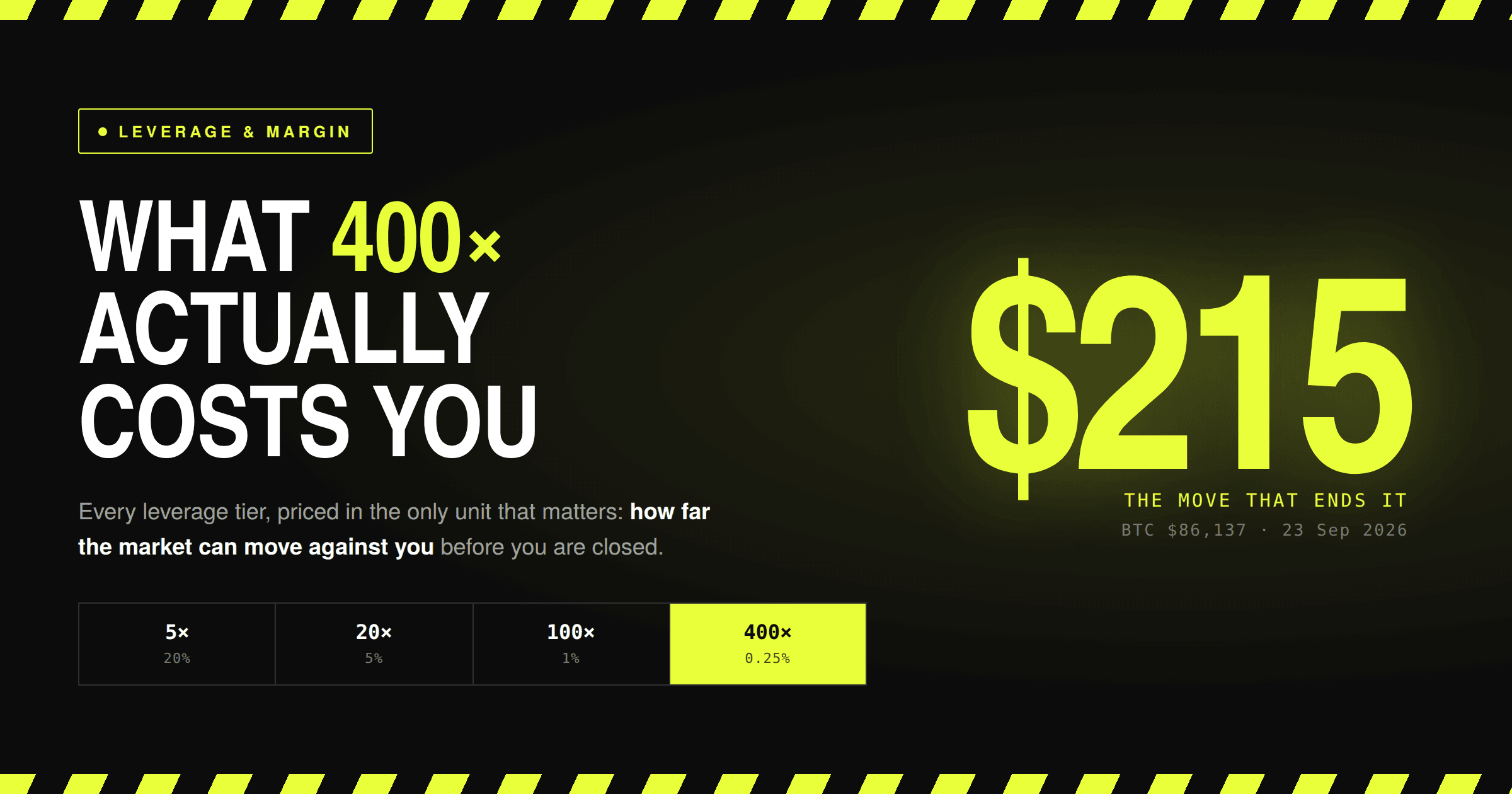
Crypto Leverage Trading: What 400x Leverage Actually Costs You
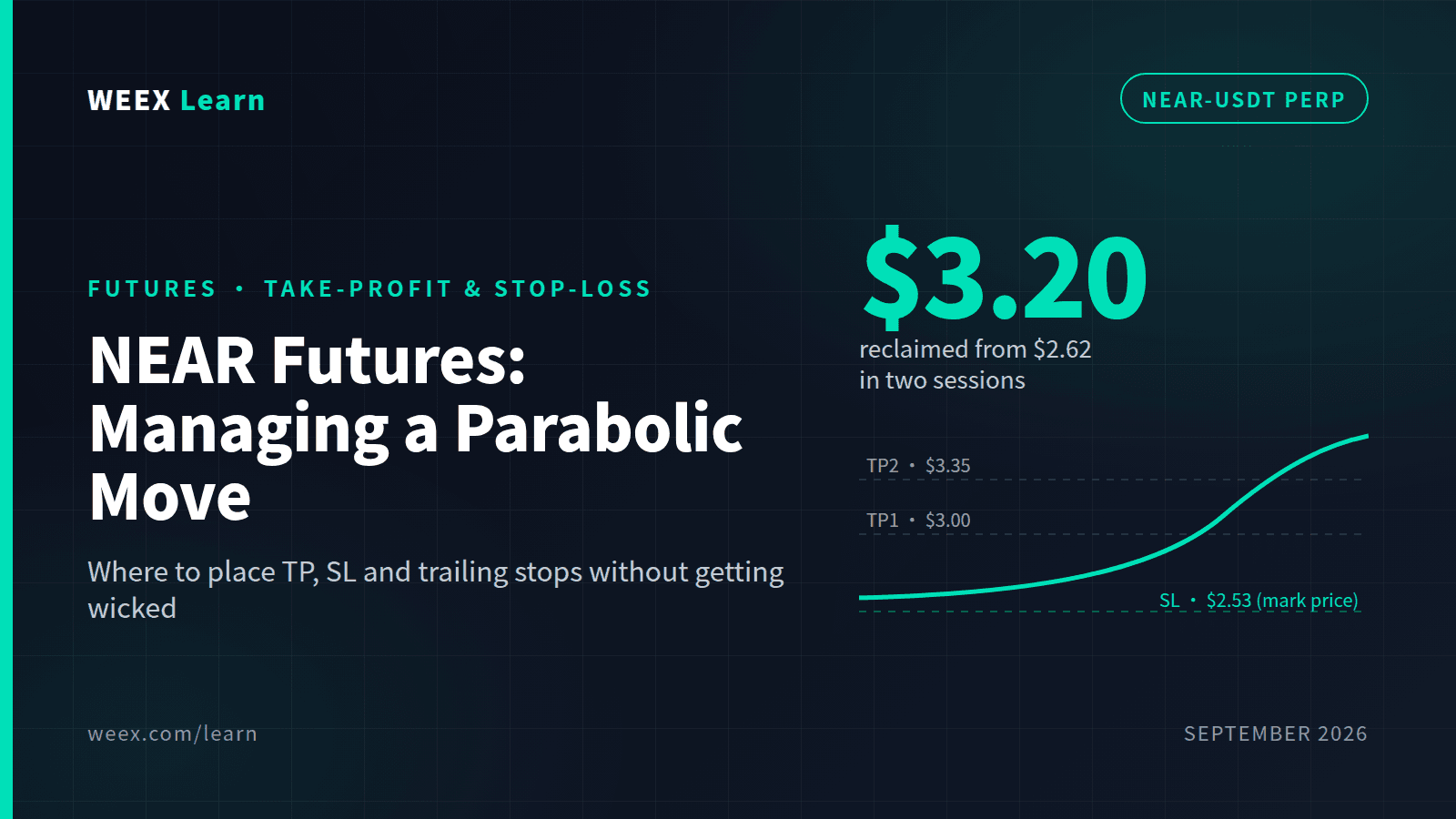
NEAR Futures Take-Profit and Stop-Loss: Managing a Parabolic Move
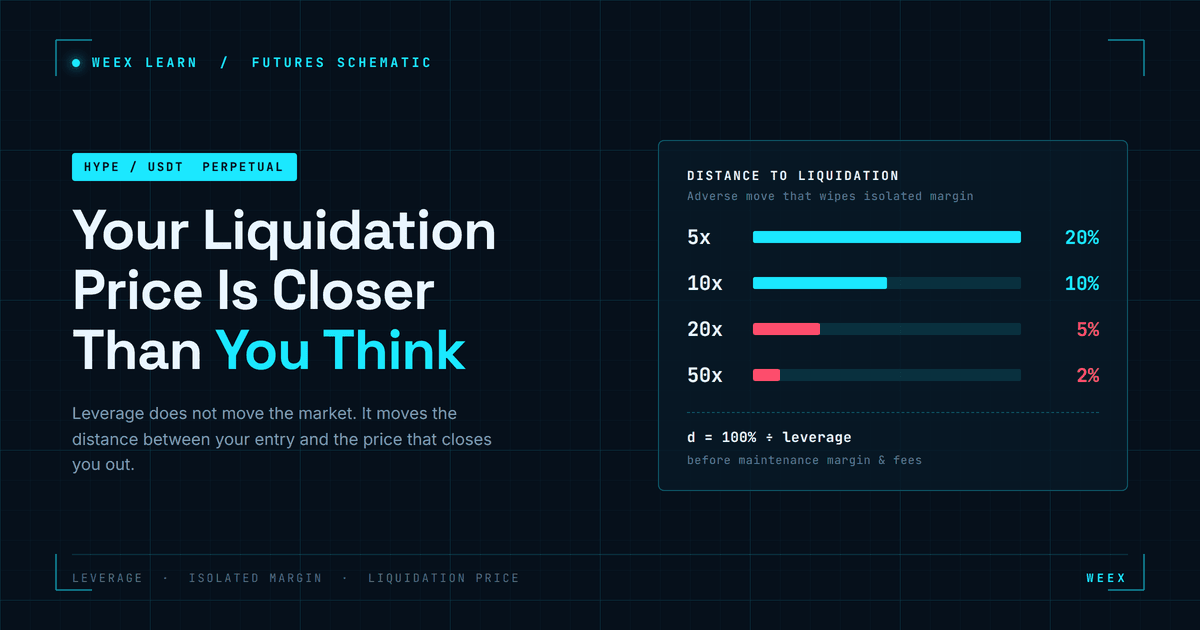
HYPE Token Unlock and Leverage: What the $1.2B Number Hides
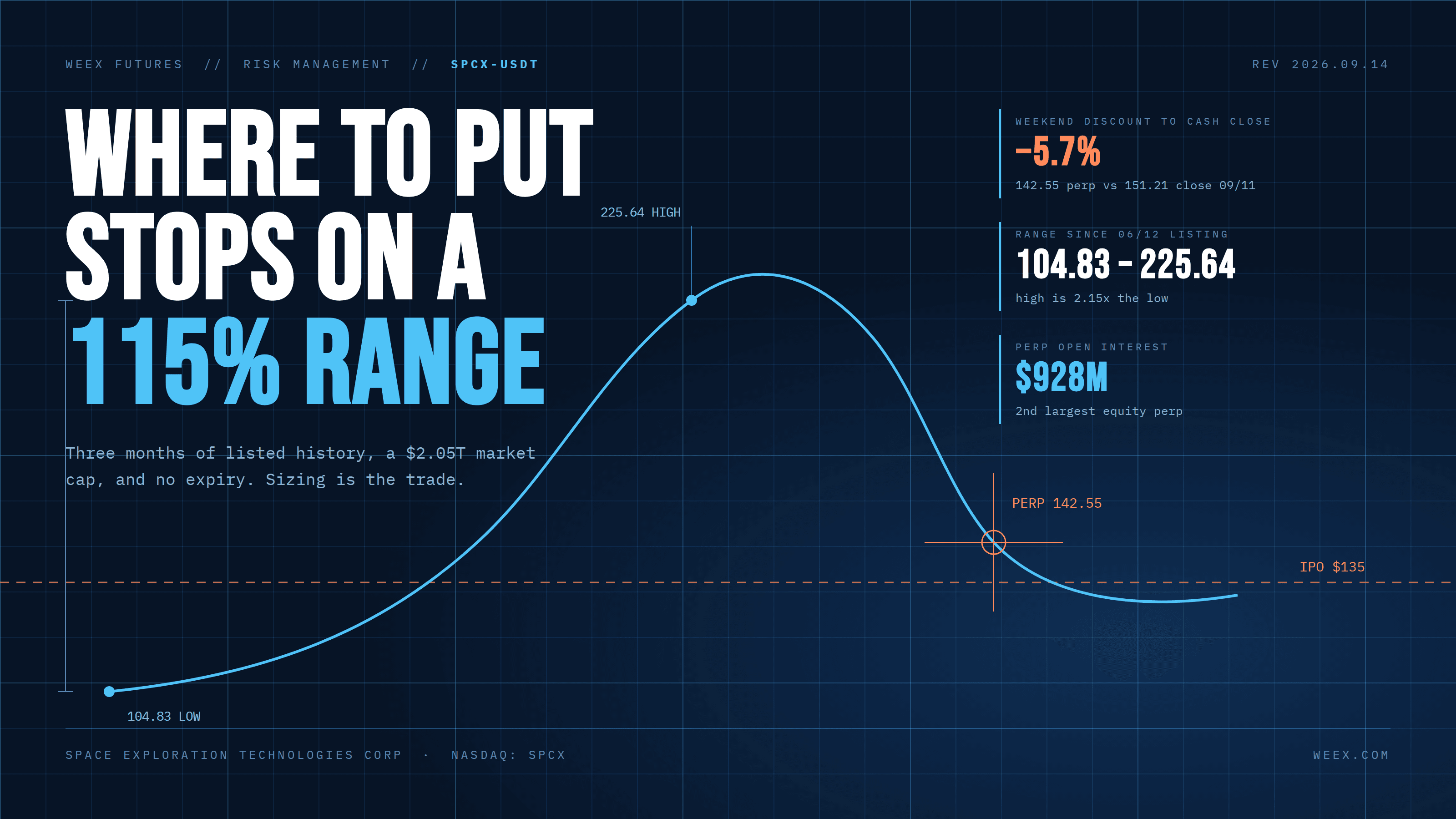
SpaceX Stock Futures: Where to Put Stops on a 115% Range
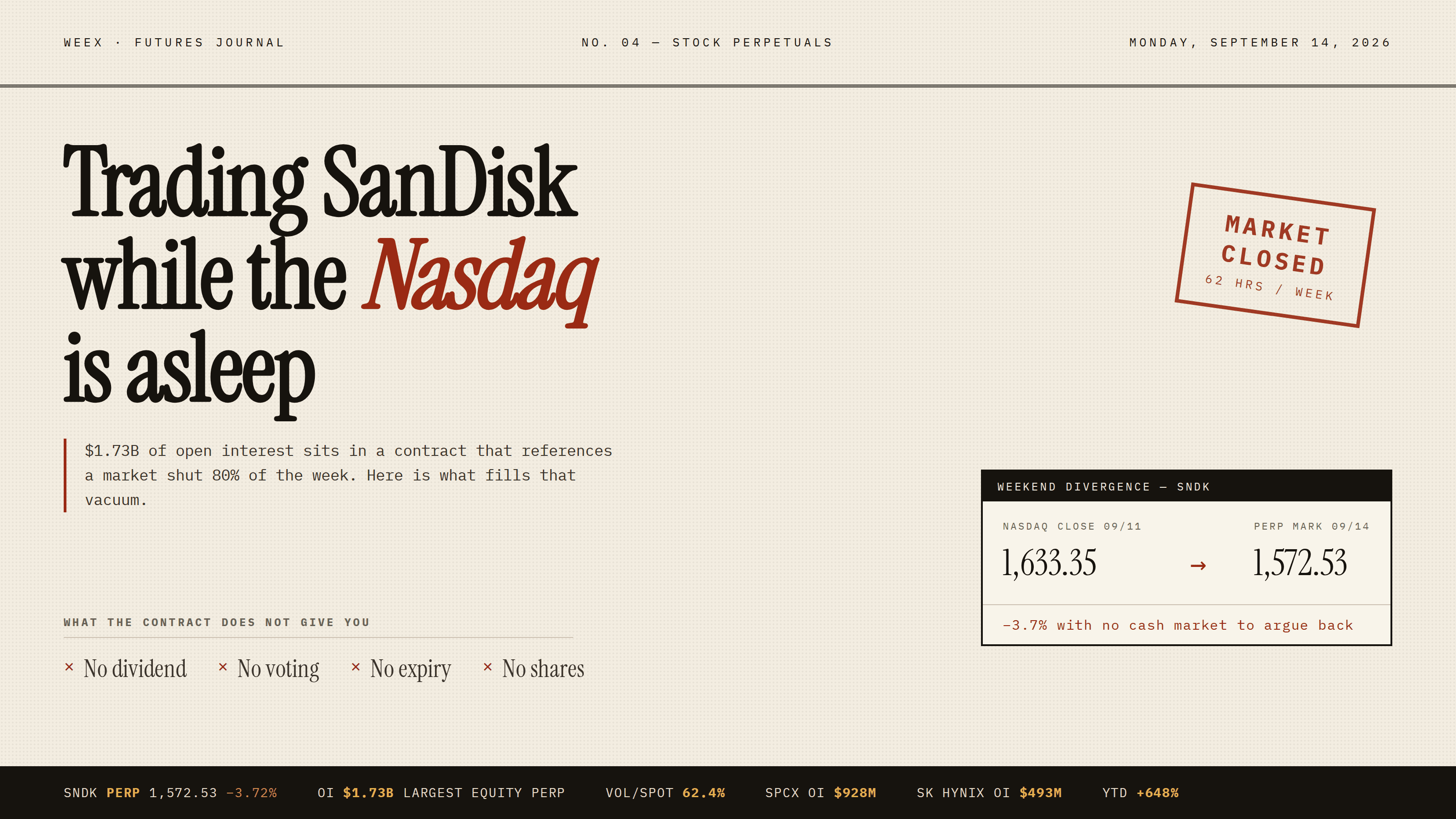
SanDisk Stock Perpetuals: Trading SNDK While Nasdaq Sleeps
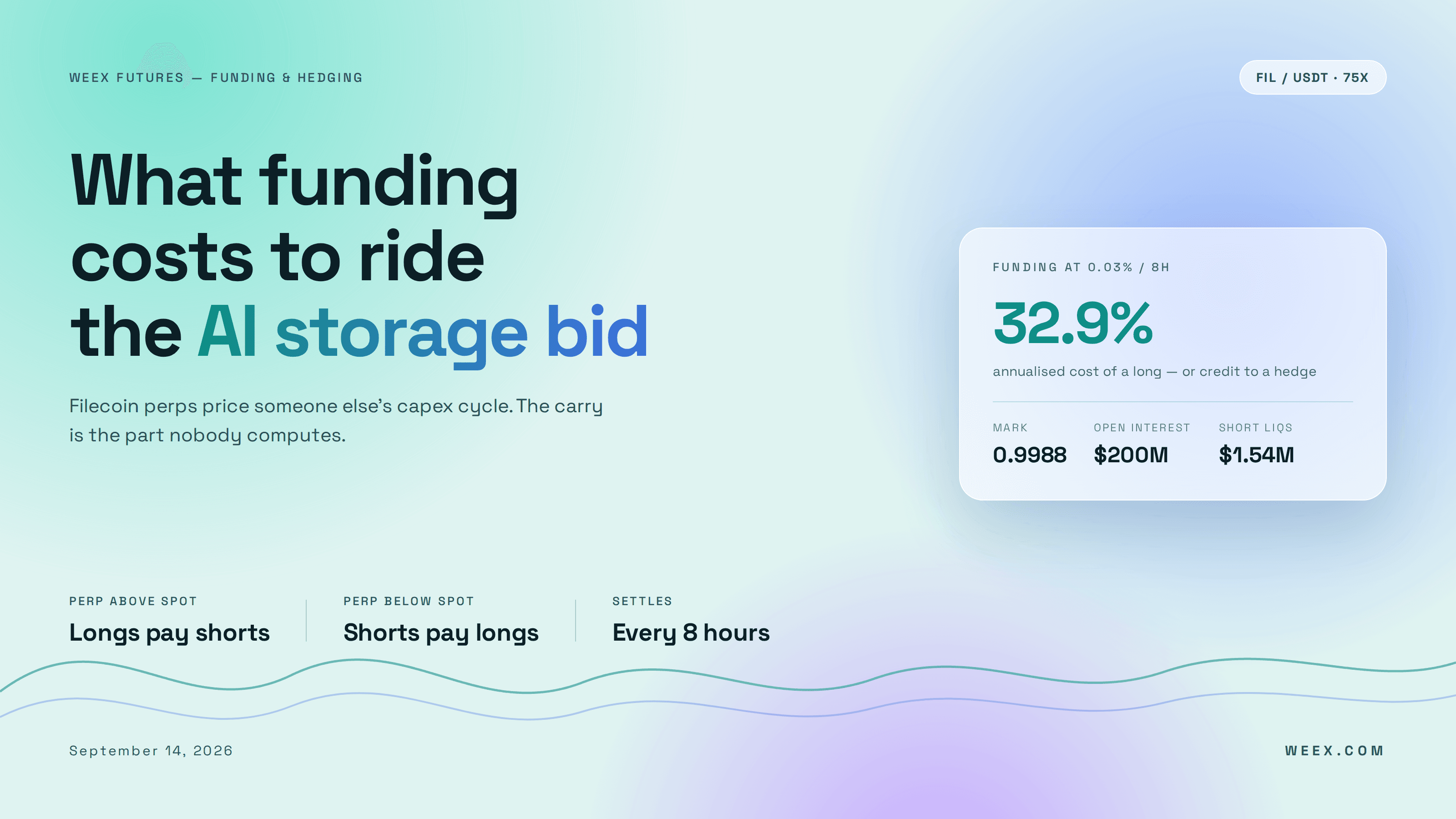
Filecoin Futures: What Funding Costs to Ride the AI Bid
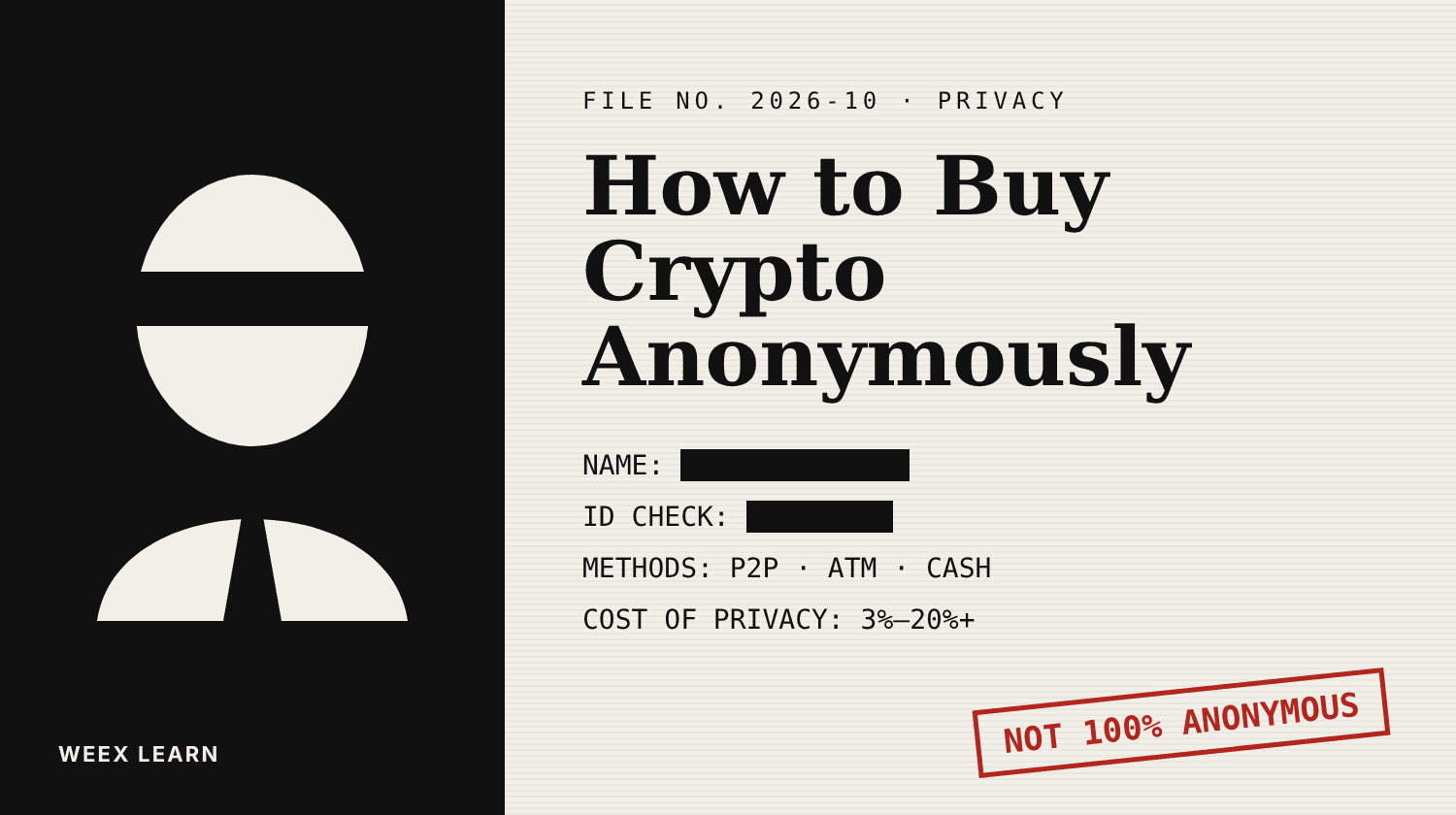
How to Buy Crypto Anonymously: 5 Methods, Real Costs and Limits
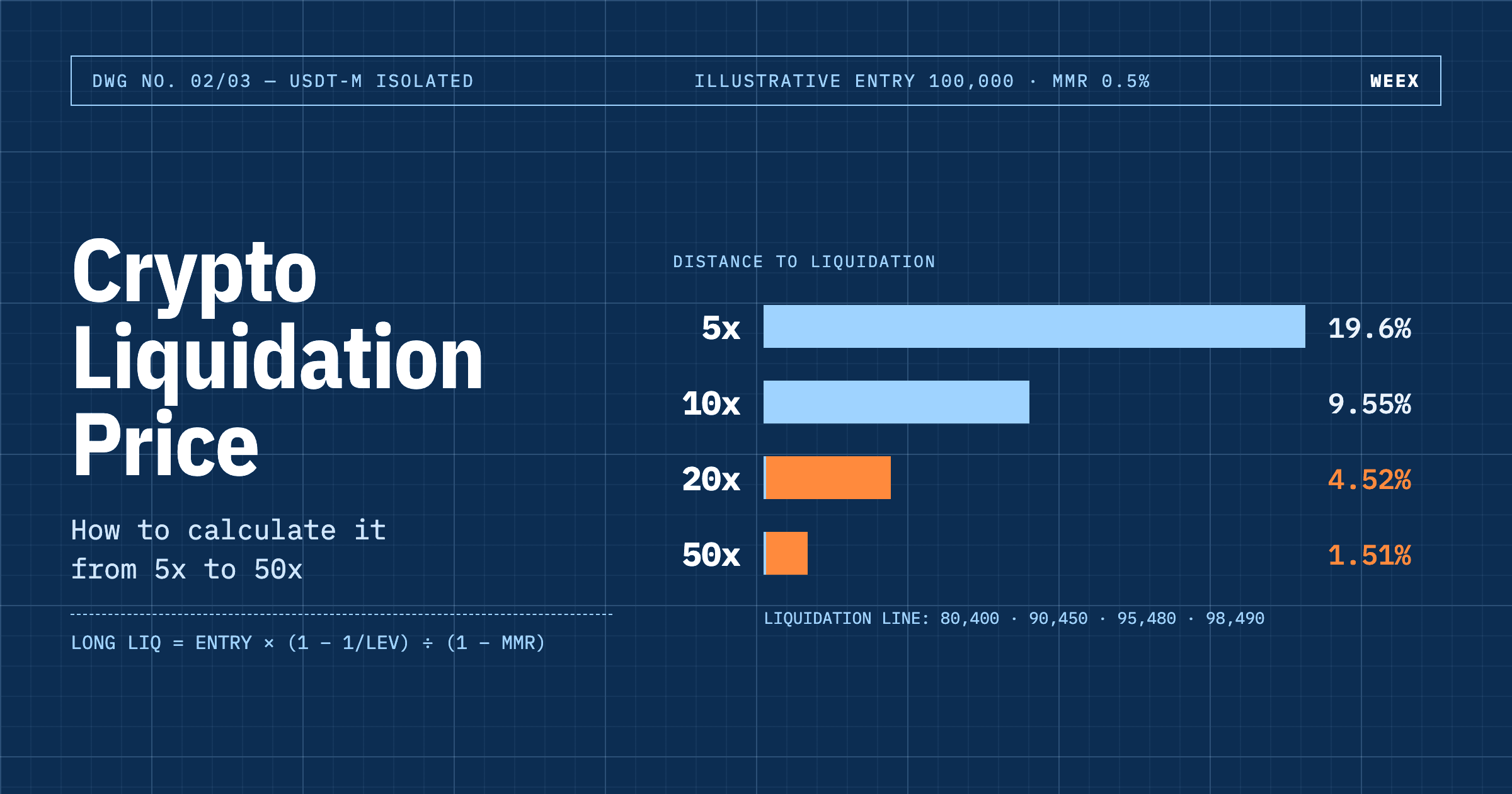
Crypto Liquidation Price: How to Calculate It From 5x to 50x
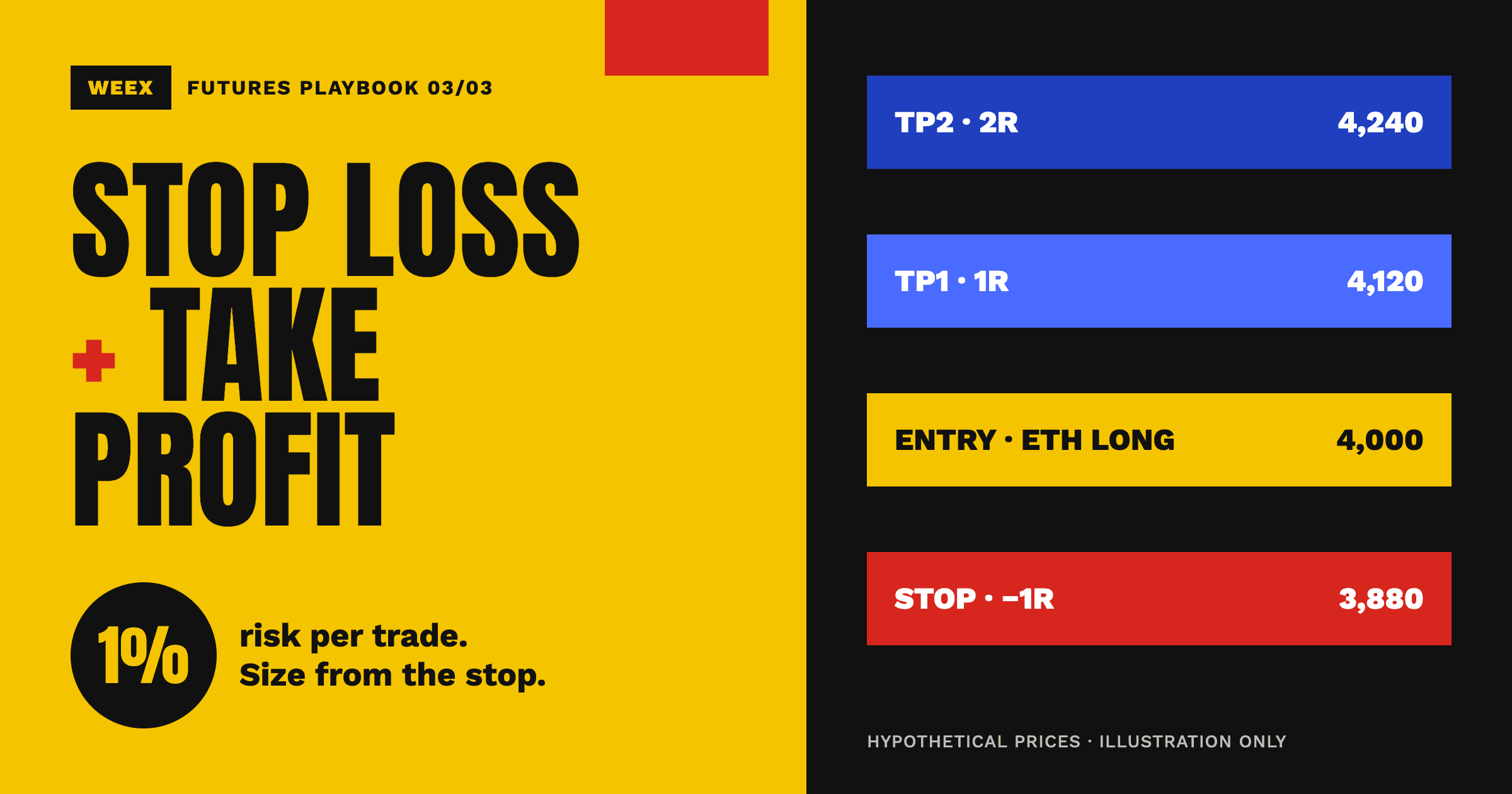
Stop Loss and Take Profit in Crypto Futures: A 1% Risk Playbook
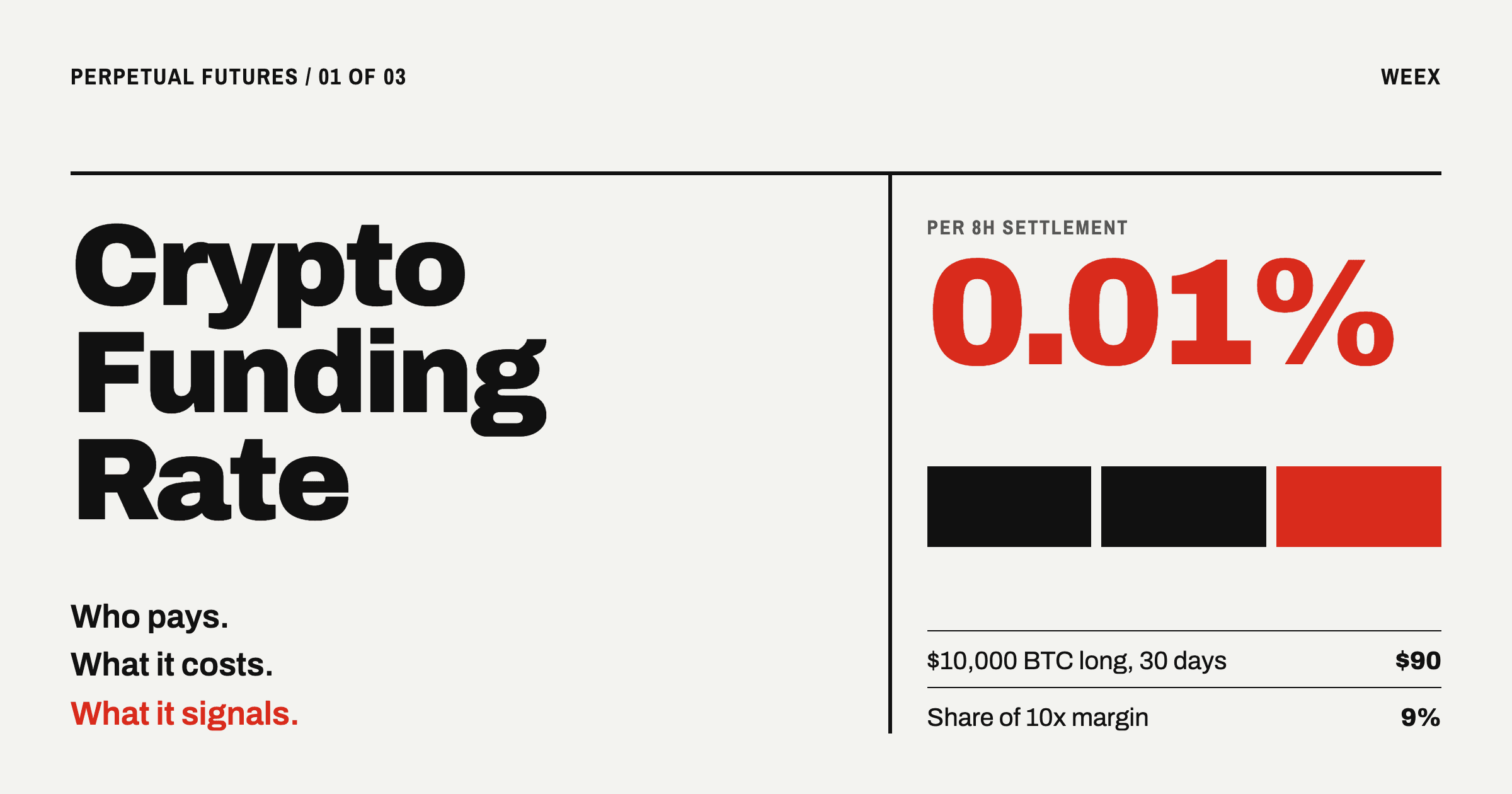
Crypto Funding Rate: Who Pays, What It Costs, What It Signals
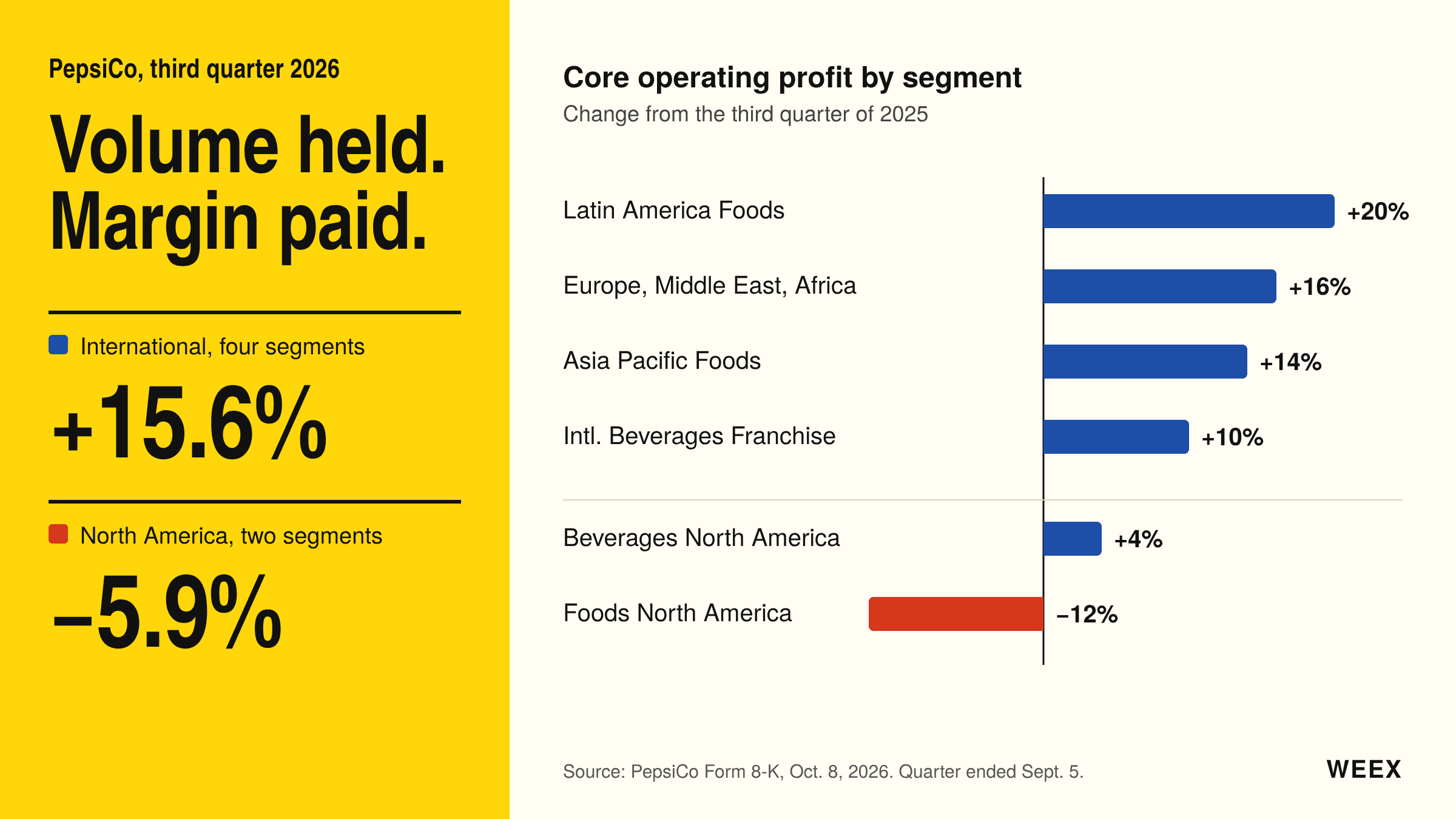
PEP Earnings: PepsiCo Beats Q3, Cuts Guidance on North America
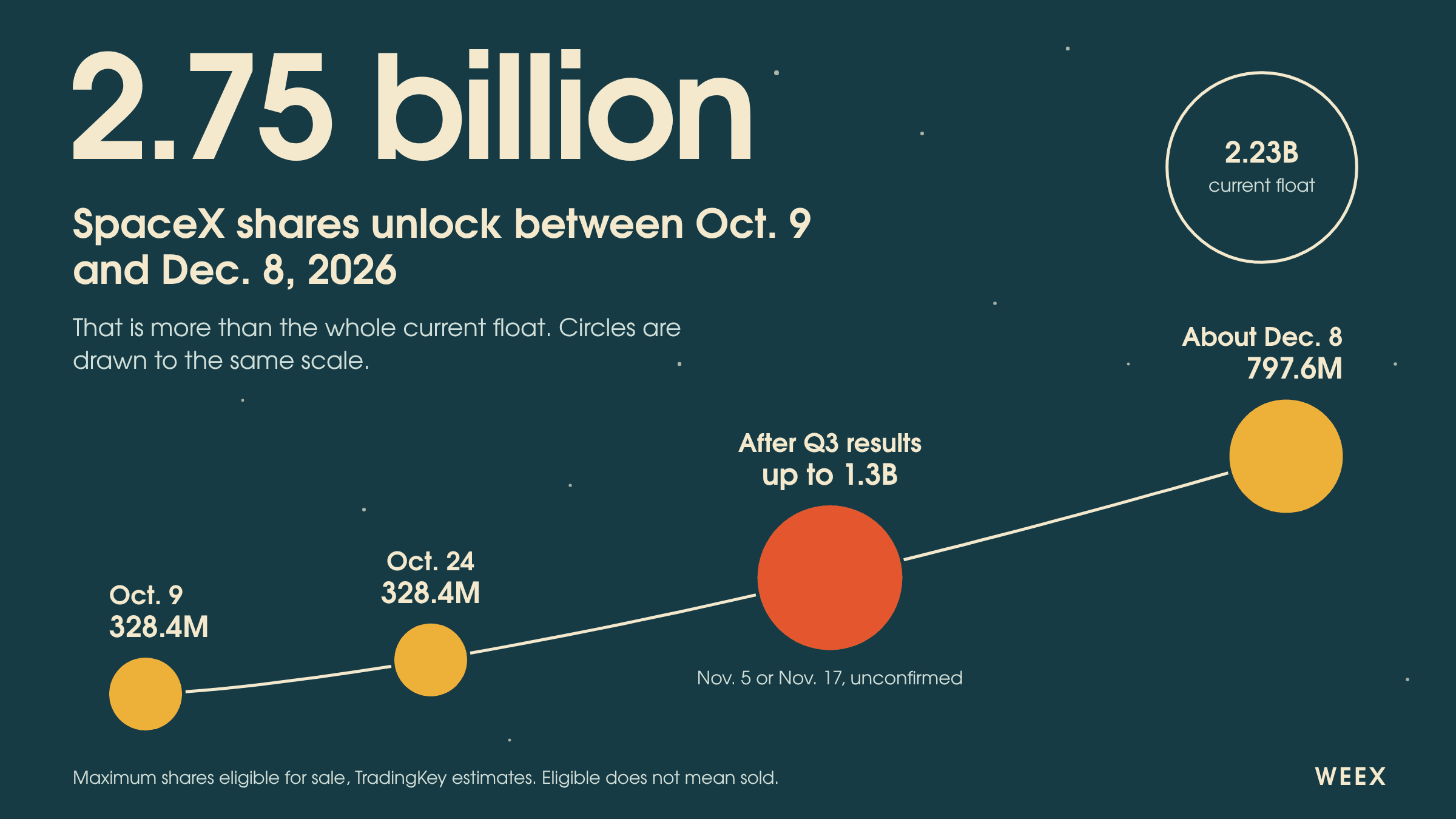
SPCX Stock Futures: 2.75B SpaceX Shares Unlock by December
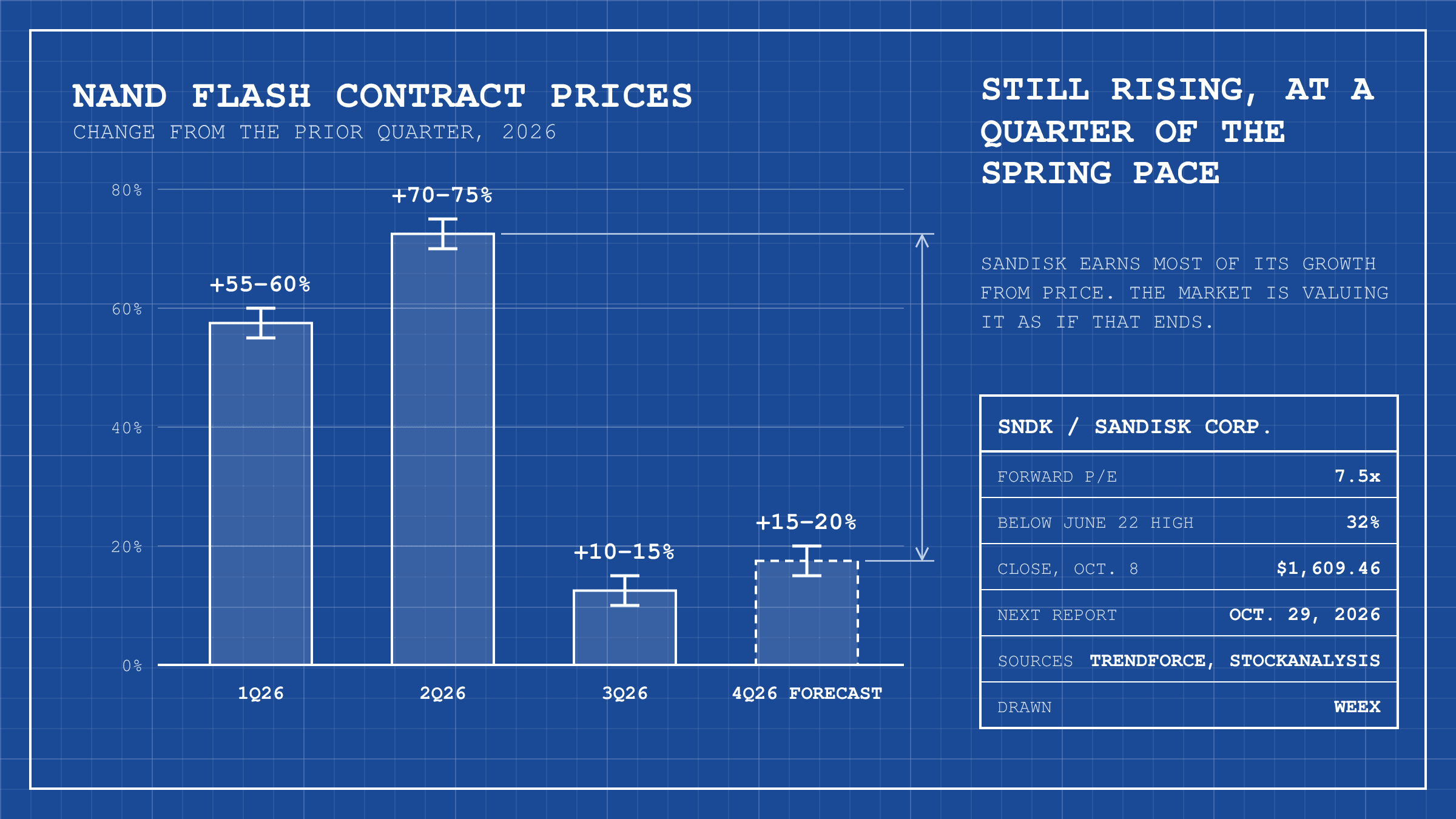
SNDK Stock Futures: SanDisk at 7.5x Earnings Before Oct. 29
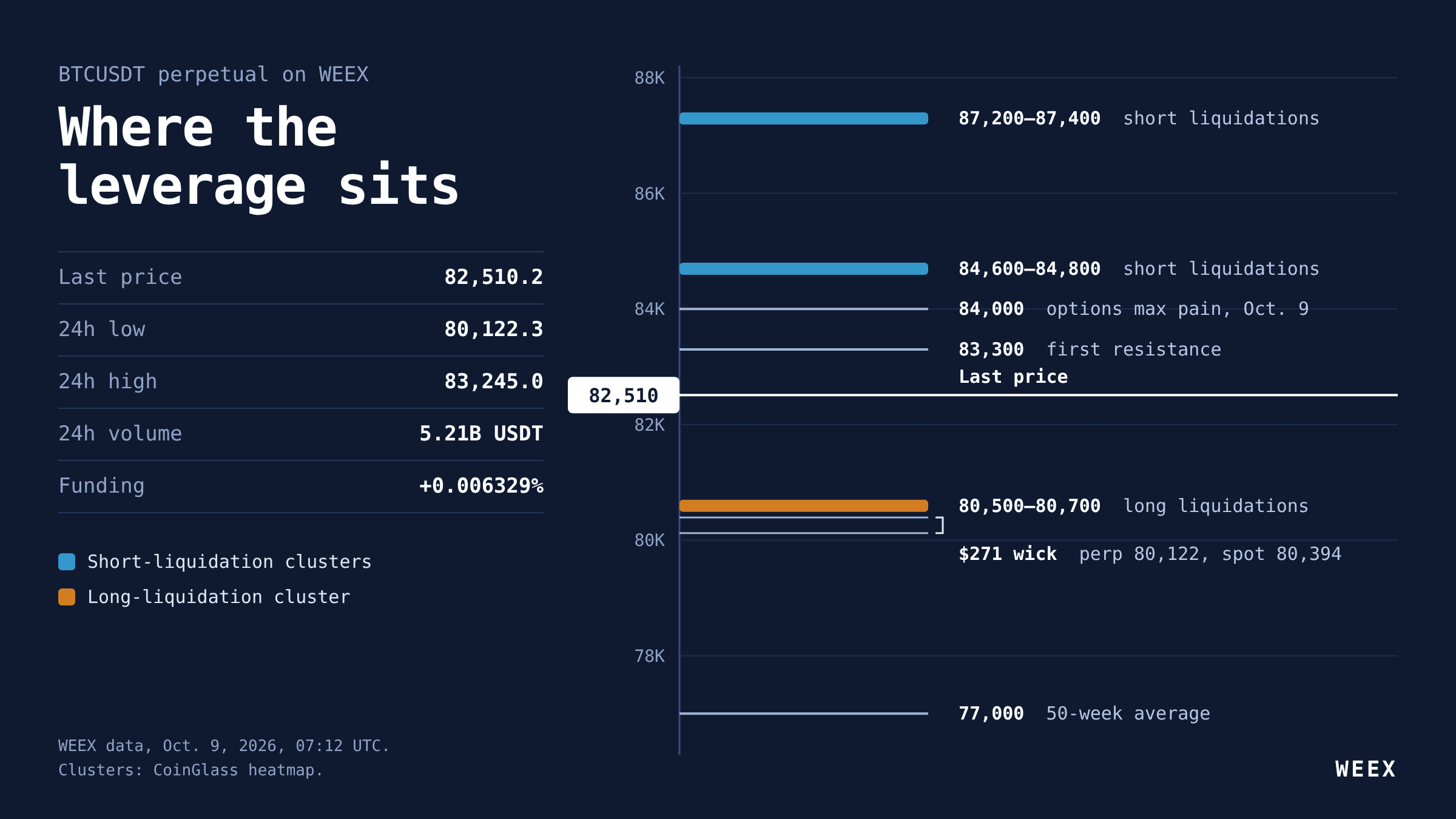
BTC Futures Analysis: $80K Held, but Longs Are Still Paying Up
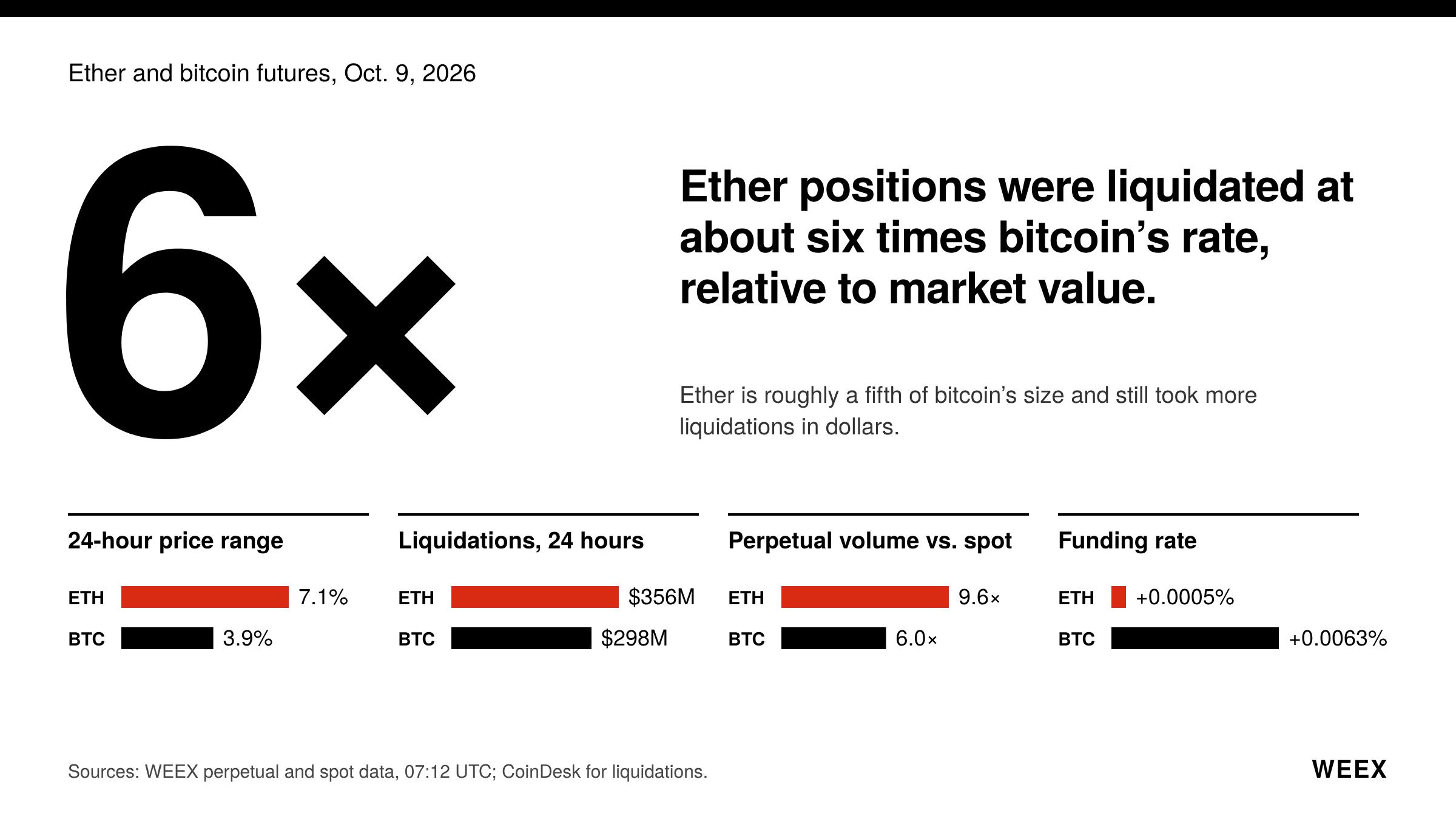
ETH Futures: Why Ether Is Falling Faster Than Bitcoin This Week
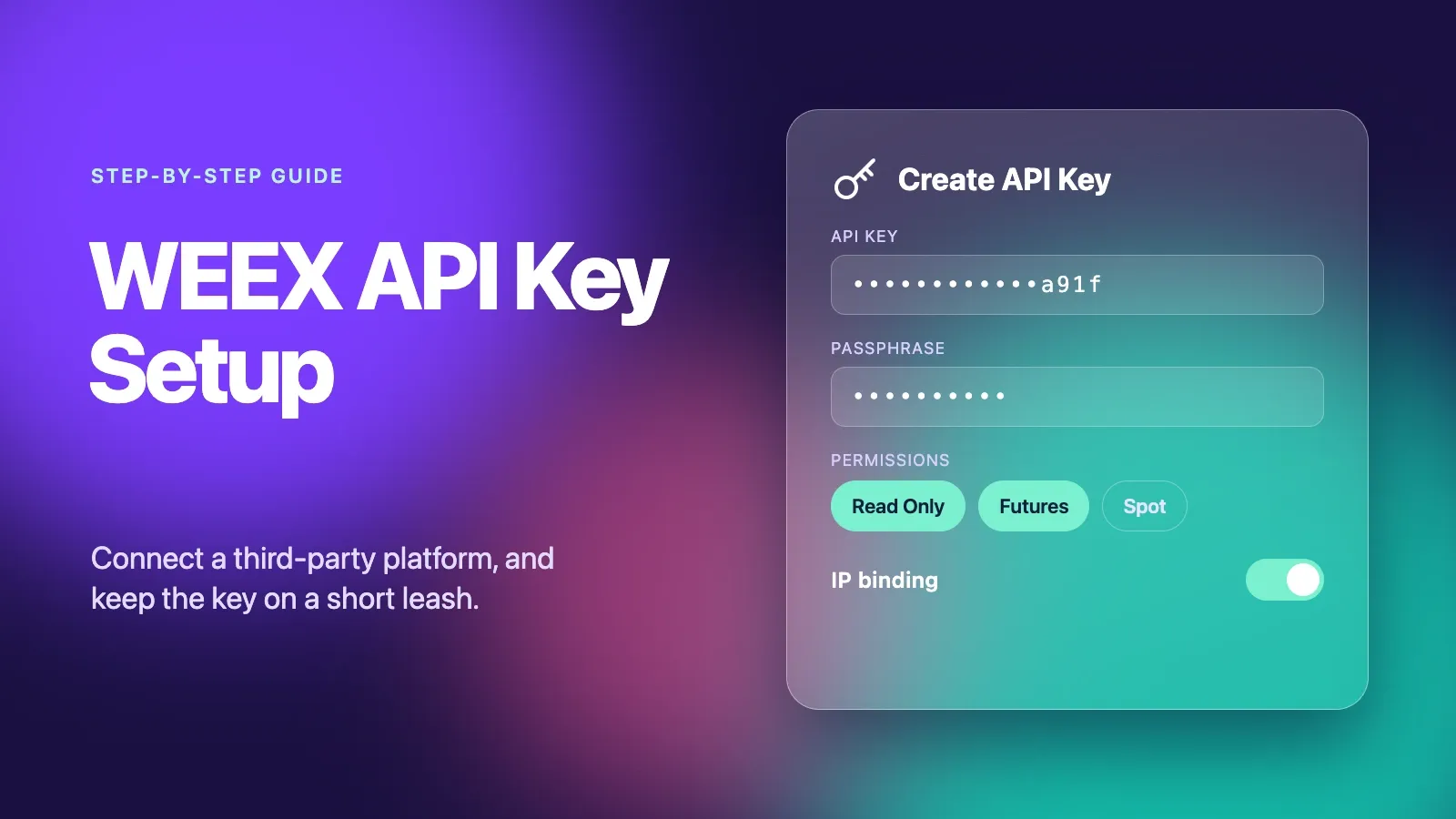
WEEX API Key Setup: How to Connect a Third-Party Platform Safely
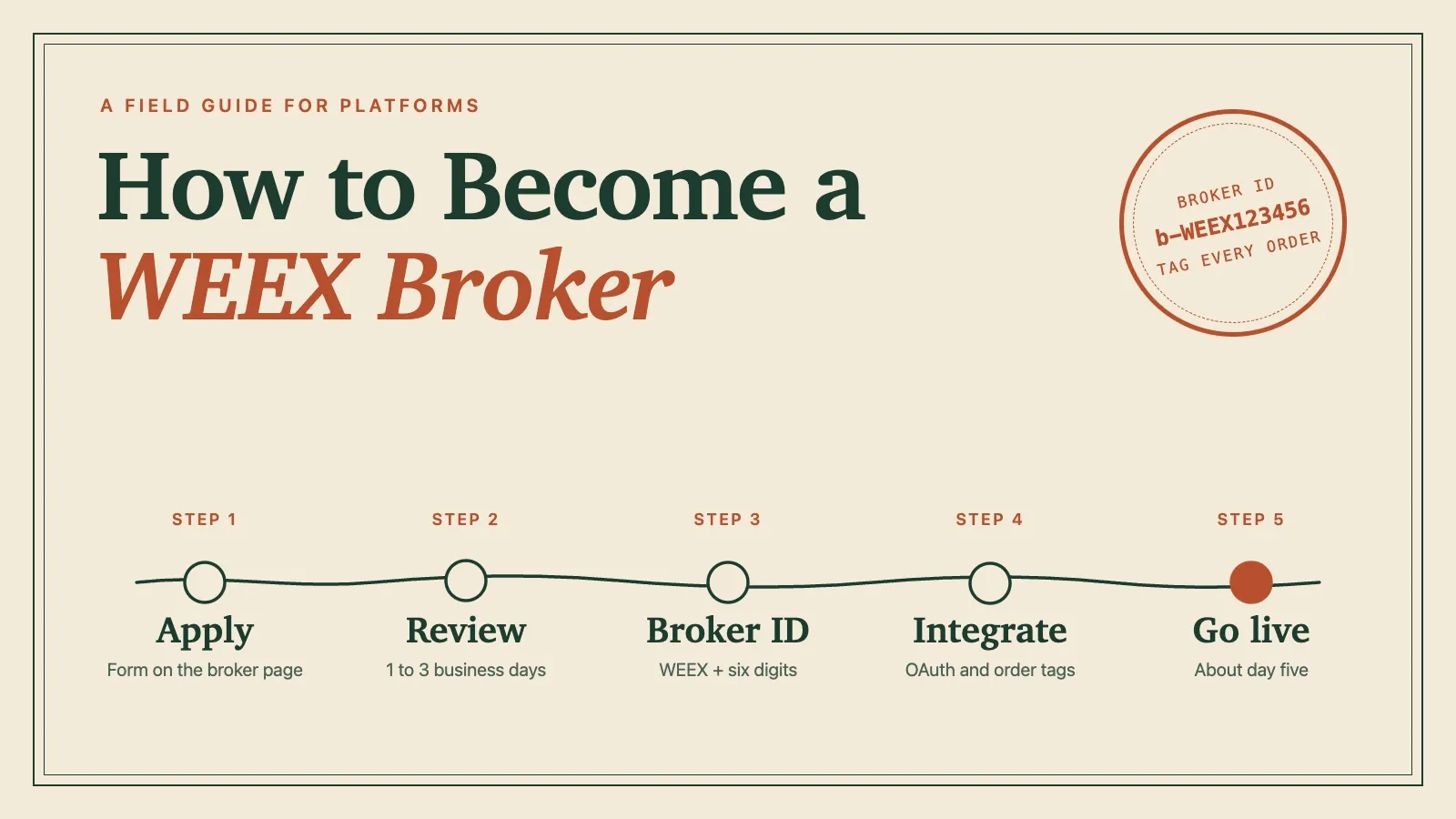
How to Become a WEEX Broker: Application, API Setup and Go-Live
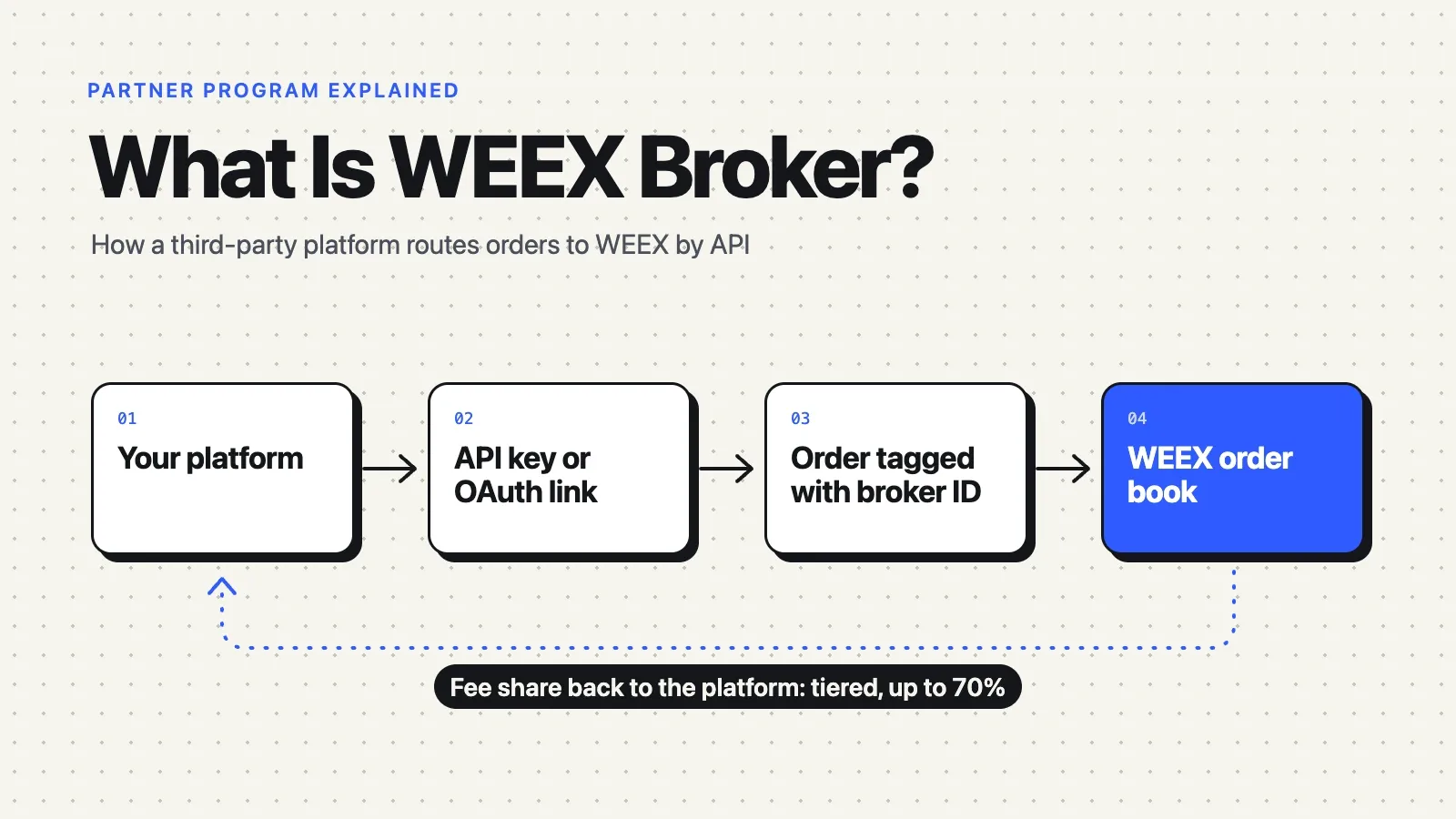
What Is WEEX Broker? API Program, Commissions and How It Works
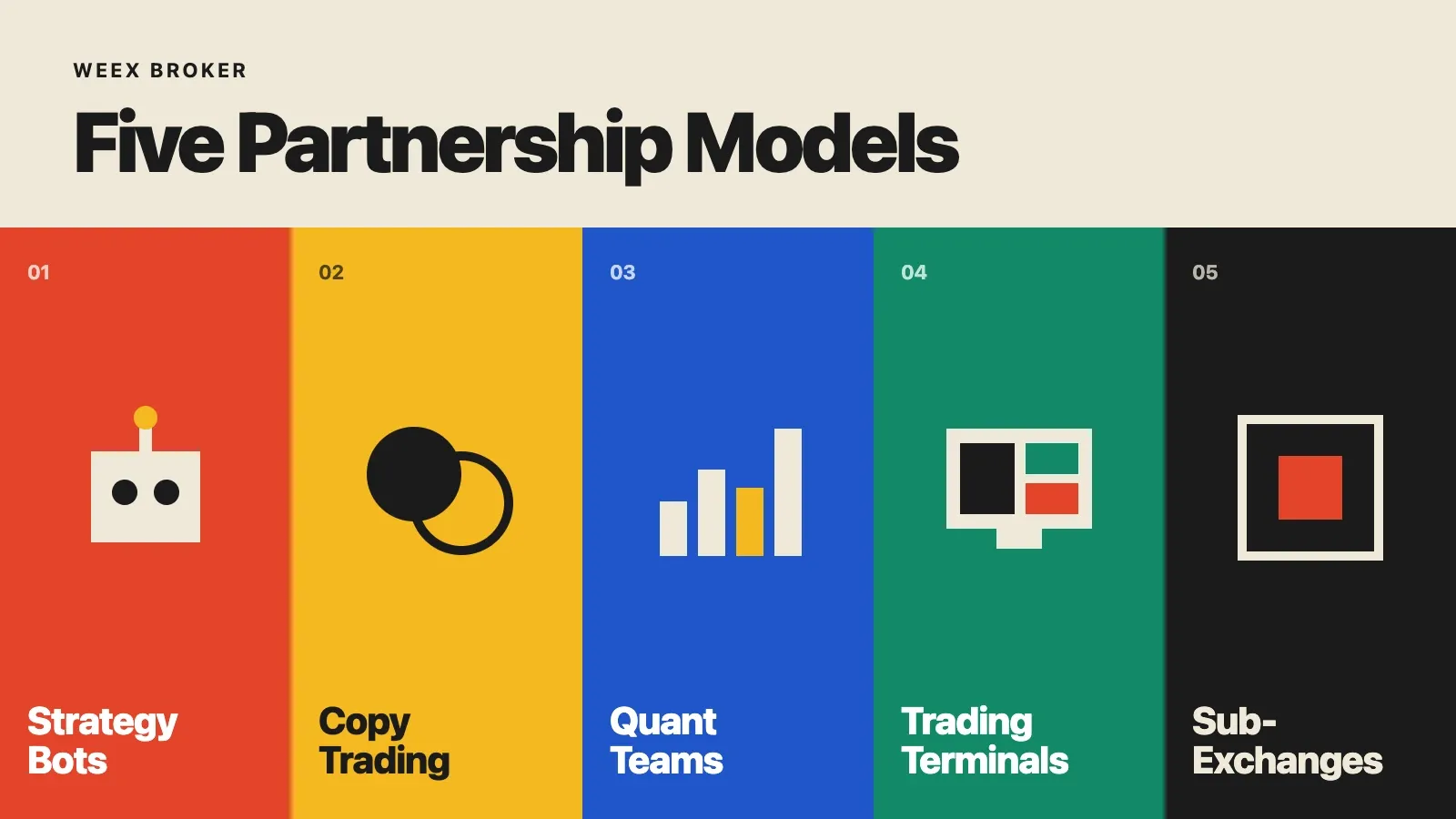
WEEX Broker Models: Strategy Bots, Copy Trading and Sub-Exchanges
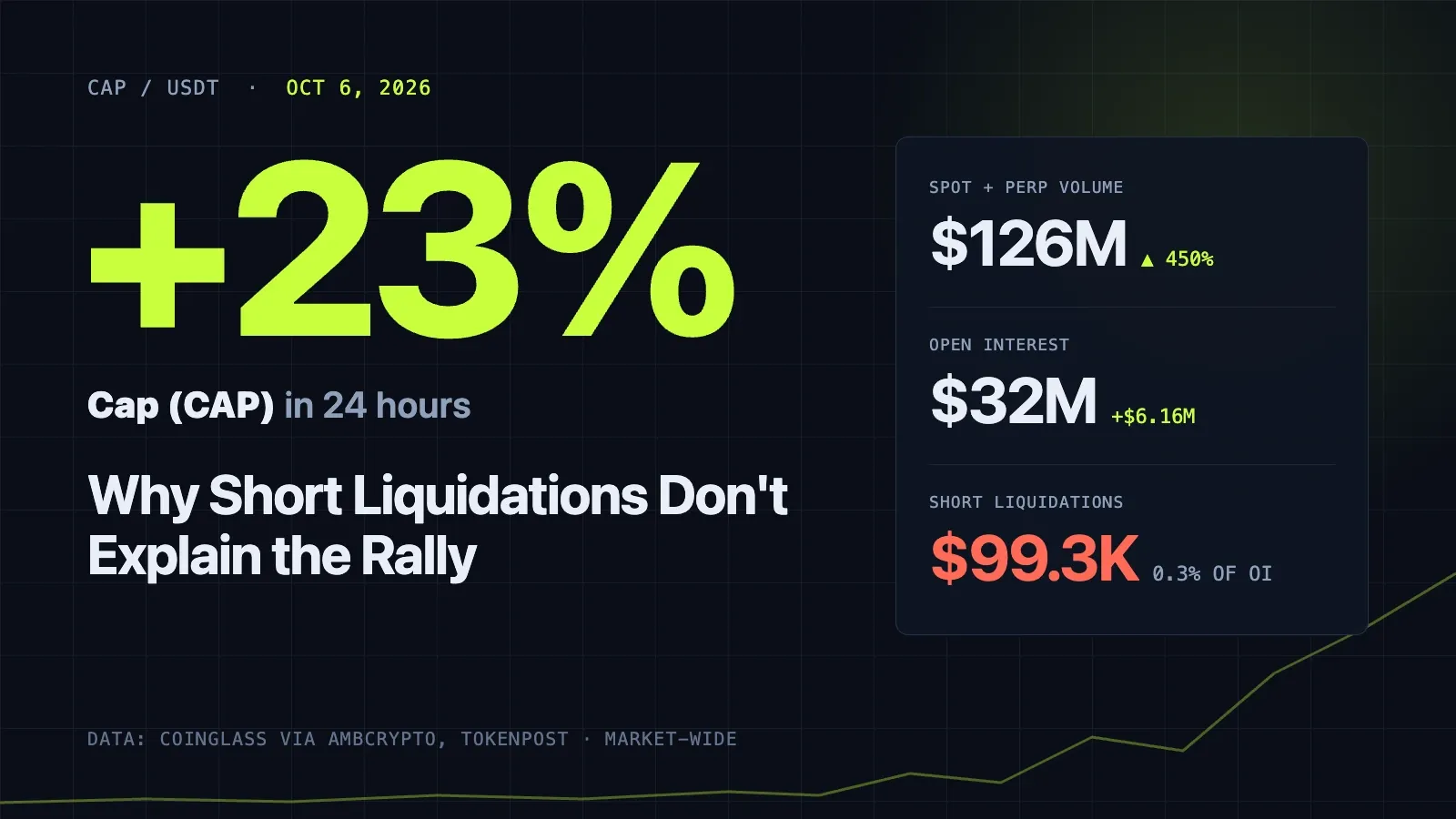
CAP Price Up 23%: Why Short Liquidations Don't Explain the Rally

What Is WEEX Exchange? Crypto Trading, API and Platform Overview
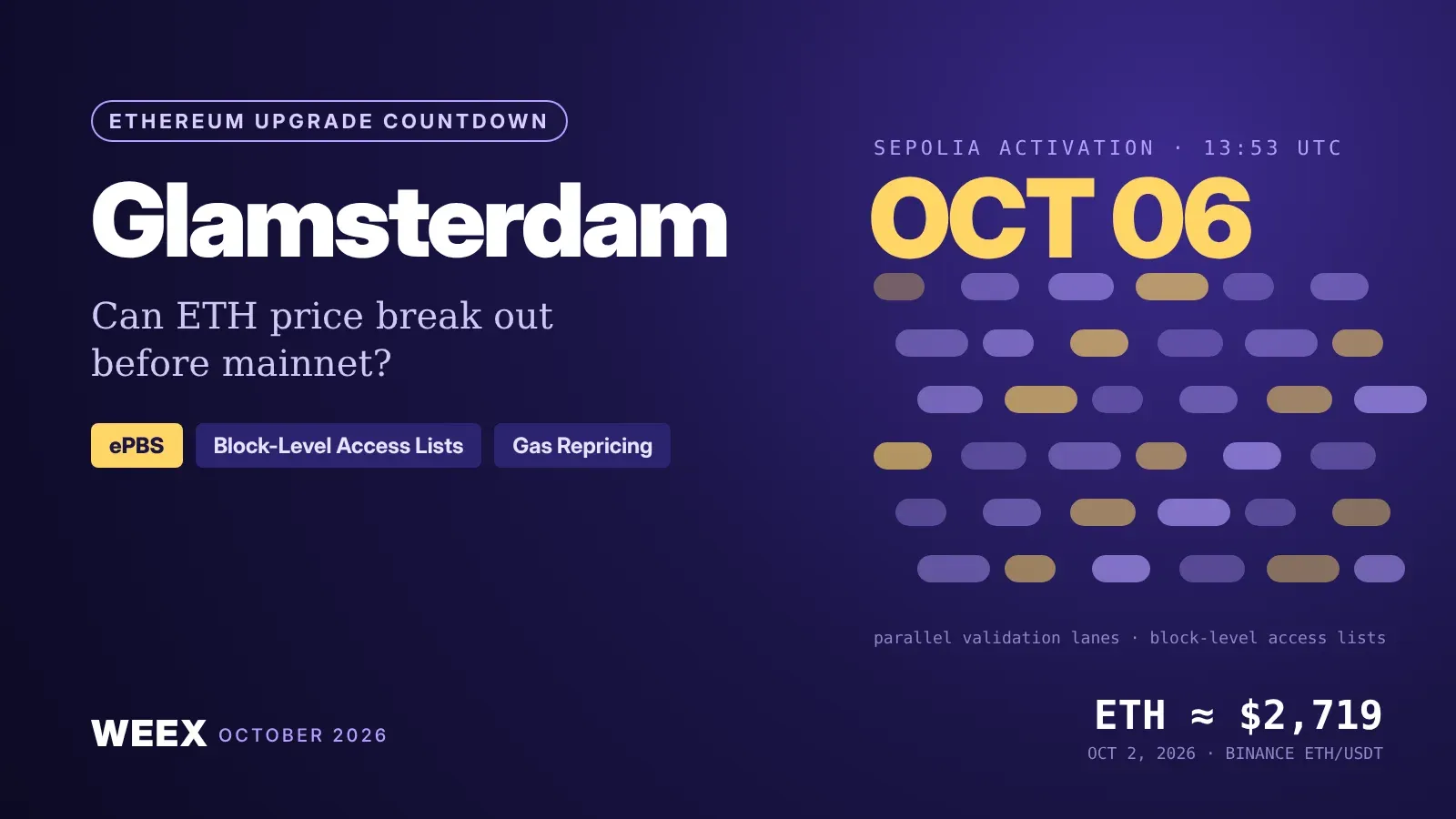
Ethereum Glamsterdam Upgrade Countdown: Can ETH Price Break Out?
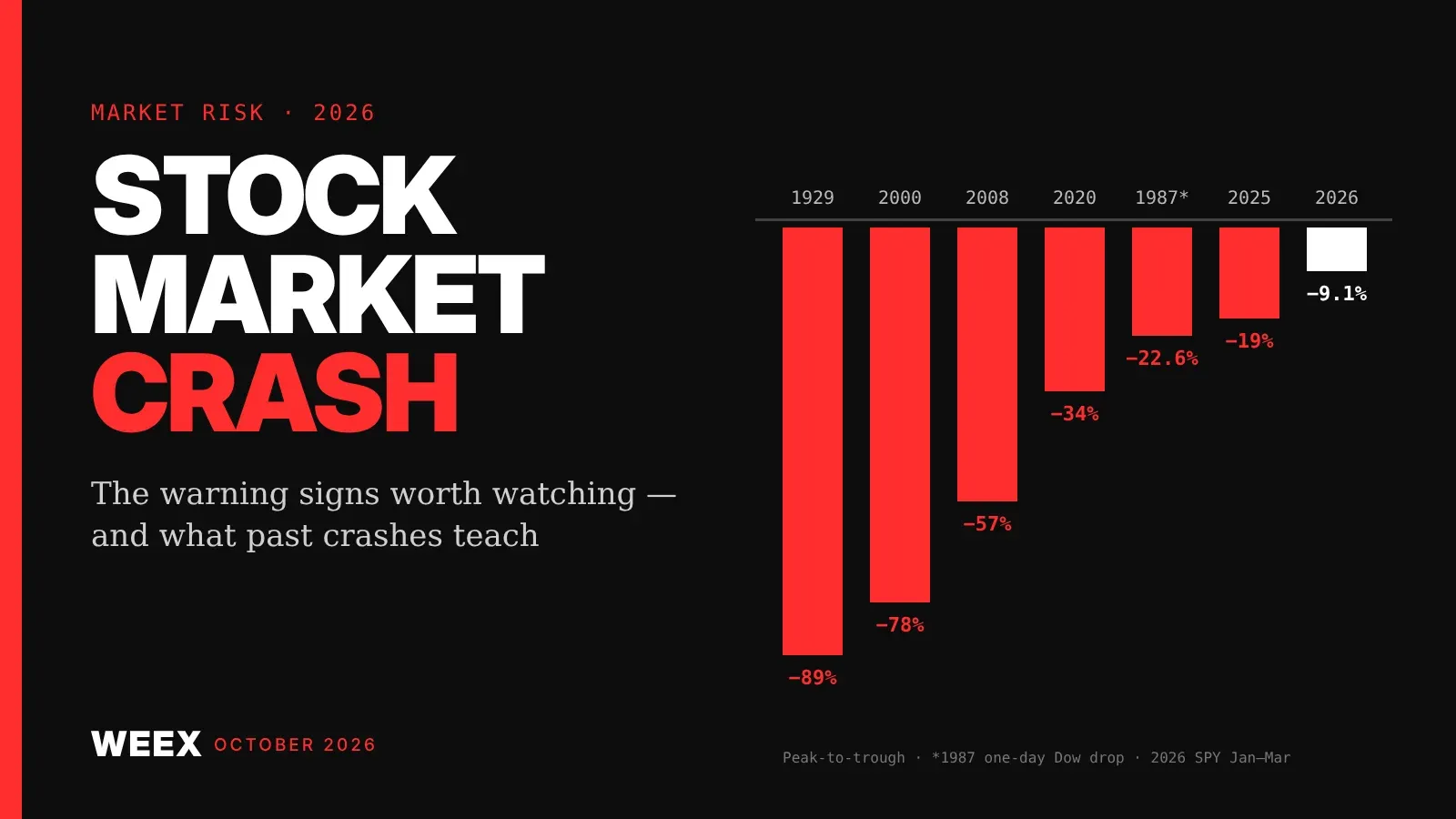
Stock Market Crash Risk in 2026: The Warning Signs Worth Watching
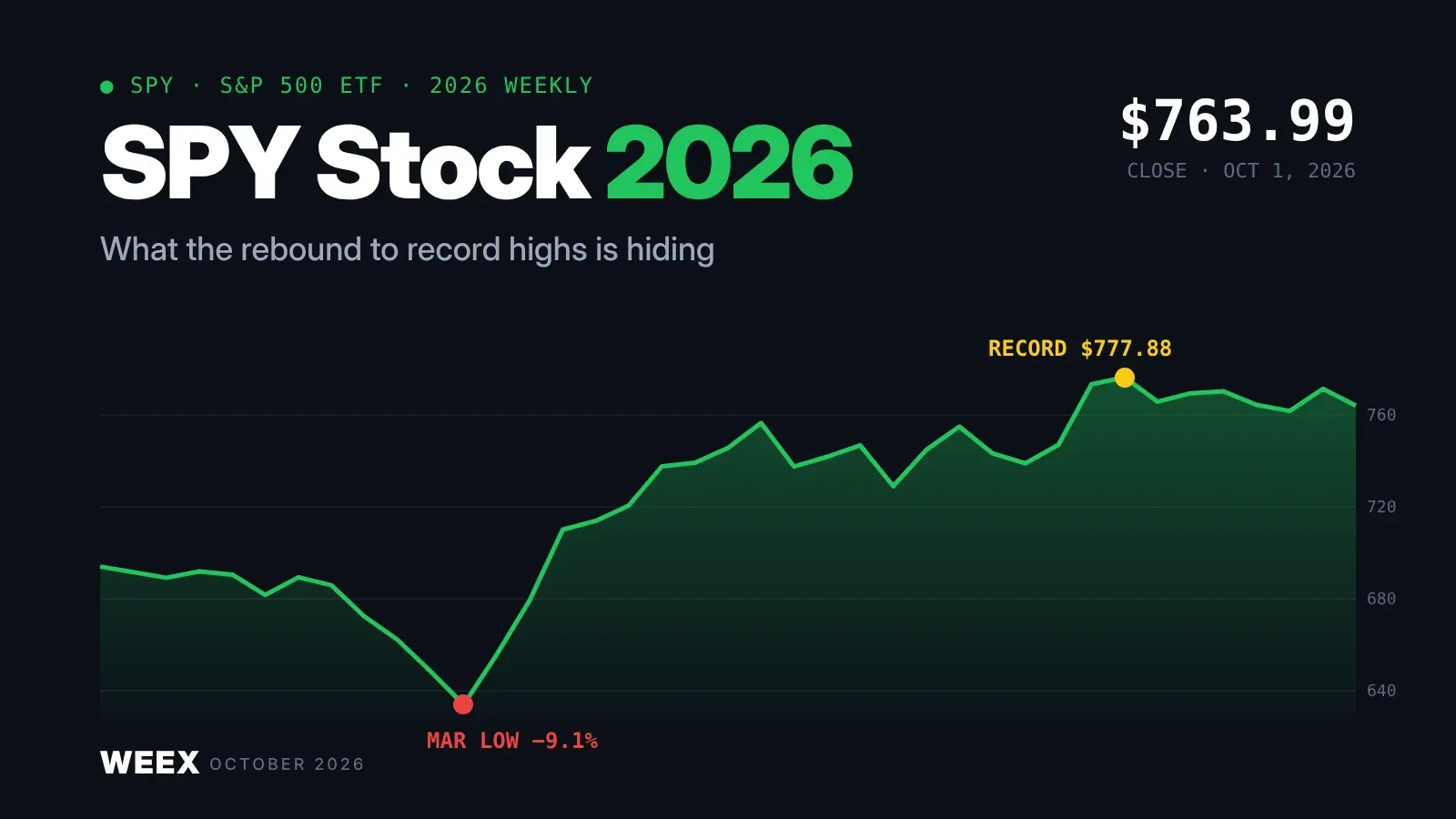
SPY Stock in 2026: What the Rebound to Record Highs Is Hiding
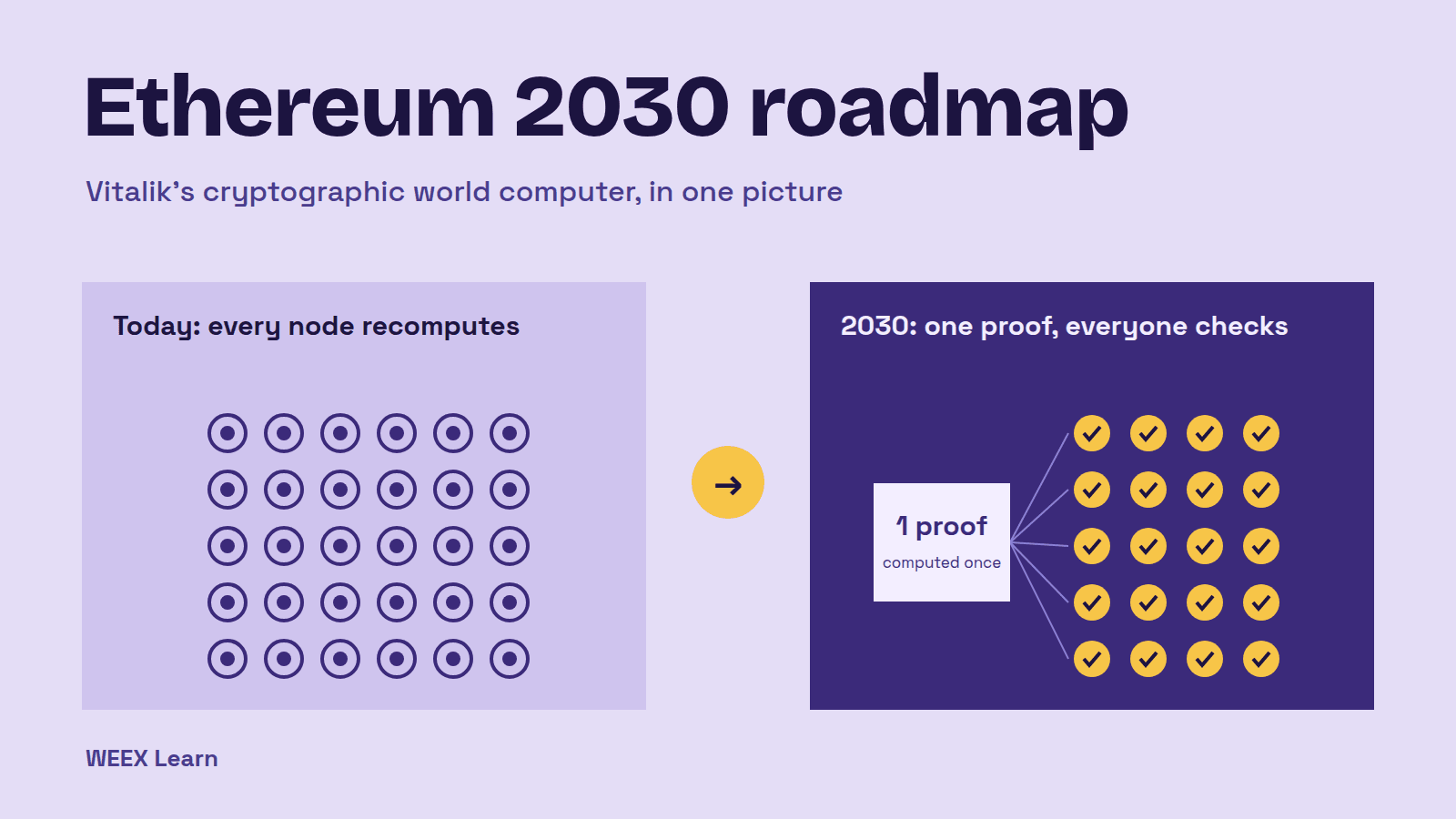
Ethereum 2030 Roadmap: Vitalik's Cryptographic World Computer
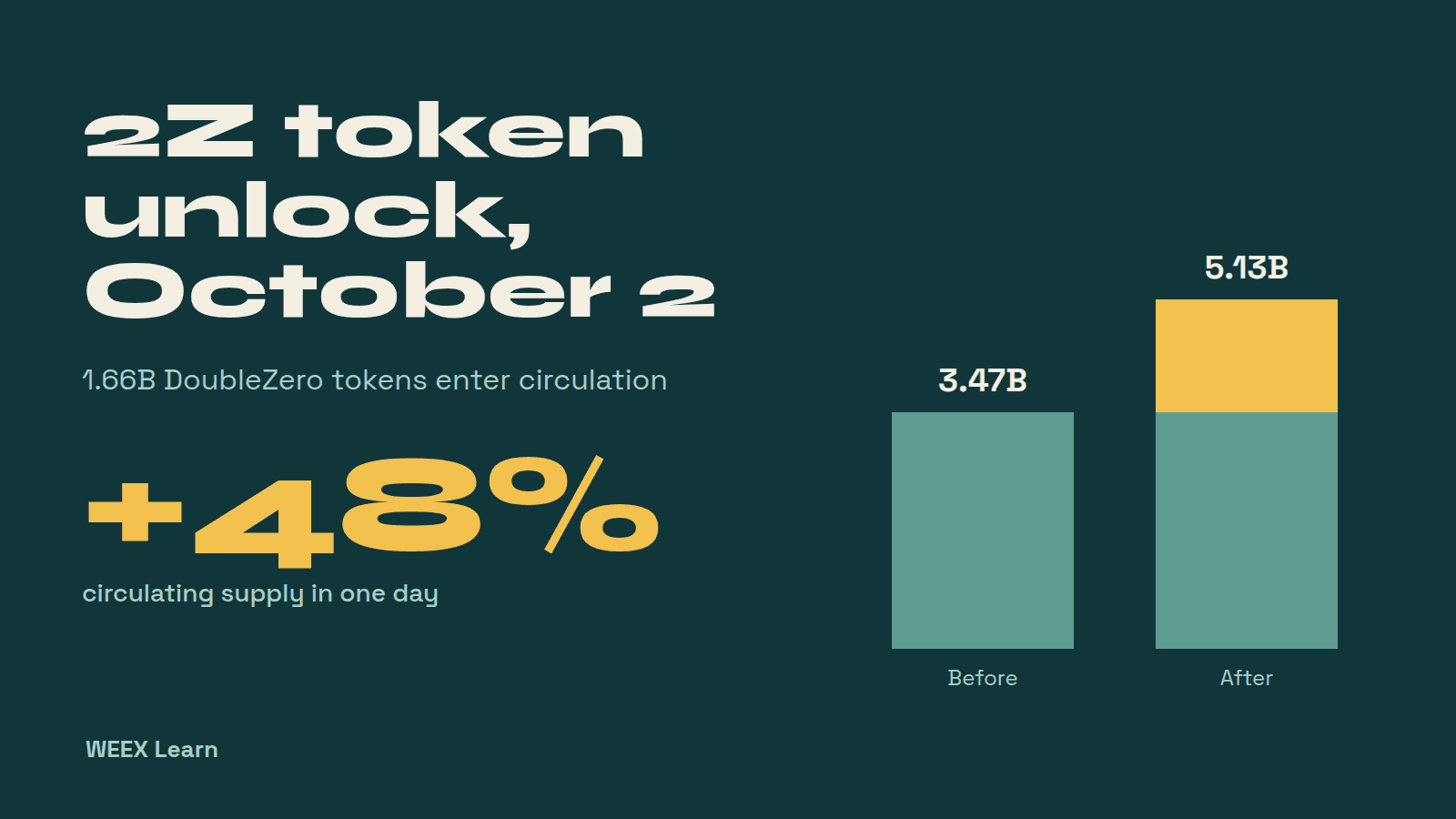
2Z Token Unlock on October 2: What 1.66B DoubleZero Tokens Mean

Solana Alpenglow Mainnet Date: Why Sept 28 Wasn't Launch Day
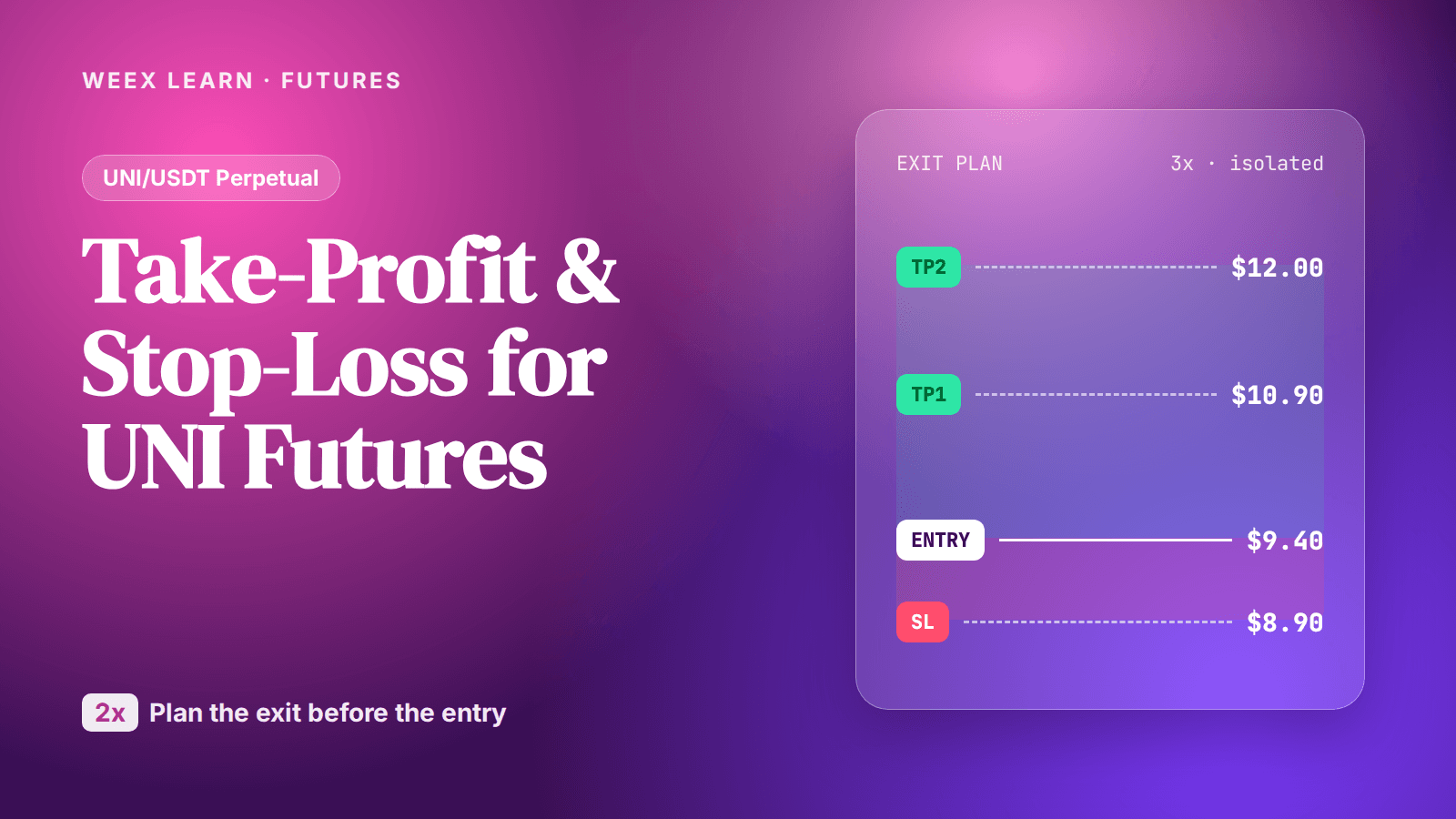
UNI Futures: How to Set Take-Profit and Stop-Loss After a 2x Run
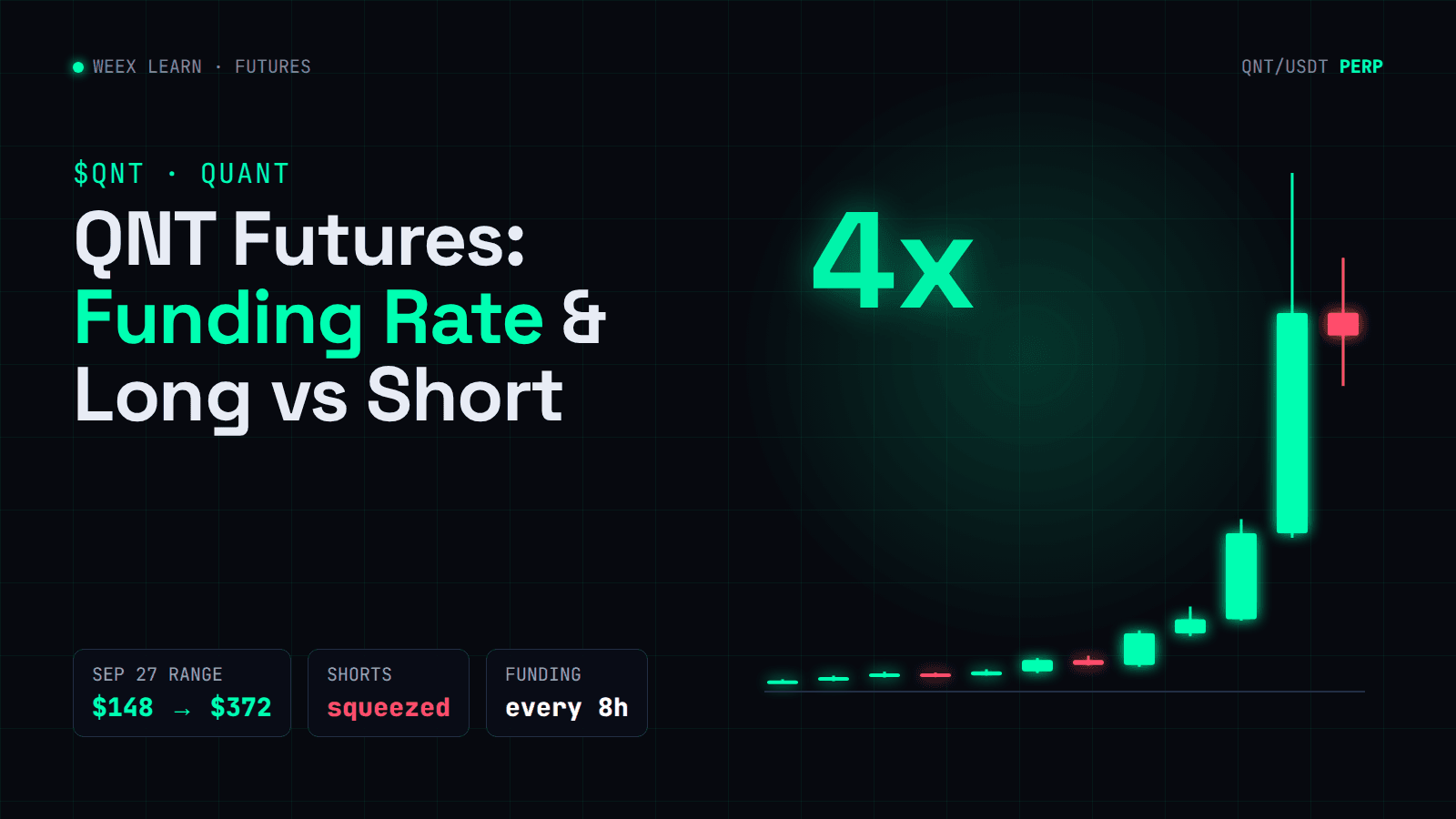
QNT Futures: Funding Rate and Long vs Short After a 4x Rally
What Is Derive (DRV)? Why the Token Jumped About 25% After Citrini Research's Altcoin Portfolio Report
Crypto Leverage Trading: What 400x Leverage Actually Costs You
NEAR Futures Take-Profit and Stop-Loss: Managing a Parabolic Move
HYPE Token Unlock and Leverage: What the $1.2B Number Hides
SpaceX Stock Futures: Where to Put Stops on a 115% Range
SanDisk Stock Perpetuals: Trading SNDK While Nasdaq Sleeps
Contents
Popular coins
Latest articles


