
Is SK Hynix Stock a Buy Now? What the 52 Week Low and IPO Price Break Tell Investors

 Prefer us on Google


SK Hynix stock hitting a 52 week low on the same day Barclays initiated coverage with a roughly 70% upside call is the specific kind of market dislocation that forces investors to choose between two interpretations rather than simply noting that both things happened. SK Hynix stock below its IPO price means every investor who bought at or above $149 during the listing is now underwater, which creates seller dynamics that are independent of the underlying business and that explain how a company with 57% HBM market share and a CEO who publicly stated the memory shortage may last past 2030 is trading below the price institutional investors paid ten days ago. SK Hynix stock at current levels is either the most obvious buying opportunity in the AI memory sector right now or a stock with specific near-term pressures that make waiting for July 29 earnings the more defensible approach.
Mapping which interpretation is more accurate requires separating what has driven the stock to this level from what the business actually looks like at current prices.
Why SK Hynix Stock Is at a 52 Week Low Ten Days After IPO
The specific mechanism that has taken SK Hynix stock from $177 on the first day of trading to a 52-week low of $145.57 ten days later is worth understanding precisely because it determines whether the current price reflects genuine fundamental concerns or mechanical post-IPO dynamics.
The post-IPO selling pattern that SKHY has followed mirrors what happened to SPCX after SpaceX's June listing. Investors who received IPO allocations at $149 and who planned to take profits at any level above cost are selling regardless of the business trajectory. Momentum buyers who chased the stock above $170 on the first trading day are now cutting losses. The index inclusion mechanical demand that briefly supported prices has been absorbed. What remains is the stock finding a level where genuine long-term buyers are willing to absorb all of those selling pressures simultaneously.
The broader semiconductor sector weakness has amplified the post IPO dynamics. The same KOSPI circuit breaker event, US-Iran escalation, and general AI capex uncertainty that pressured Micron, SanDisk, and Nvidia throughout July have applied to SKHY through the sector correlation that links all AI memory stocks in sentiment driven selloffs. SKHY with a high beta as a newly listed stock amplifies those sector moves rather than absorbing them at the rate of more established names.
The Korea-listed shares falling roughly 15% on their worst day in nearly two decades, the event that triggered the KOSPI circuit breaker earlier this month, created a specific read-through concern about whether the premium that US-listed SKHY commands over Korean shares is sustainable. The 51% premium that SKHY currently trades at relative to the Korean equivalent raises a specific arbitrage question that institutional investors have been debating since the listing.
The 51% Premium Question That Is Unique to SKHY
One specific dynamic that makes the SK Hynix stock buy decision at current levels more complex than a straightforward IPO dip trade is the 51% premium that SKHY trades at relative to the Korean-listed shares.
Each SKHY ADR represents one-tenth of a Korean-listed SK Hynix share. At current prices, the implied value of SKHY relative to the Korean equivalent sits approximately 51% above where Korean investors can access the same underlying business. That premium reflects several factors including US market accessibility, dollar denomination, and the liquidity advantages of Nasdaq listing for global investors who cannot easily access Korean markets.
HSBC's analysis documented an average 35% accessibility discount for Korean stocks listed as US ADRs over a thirteen-year period. The current 51% premium is above that historical average, which creates a specific mean reversion risk that investors buying SKHY at current levels need to incorporate. If the premium compresses from 51% toward the 35% historical average, SKHY would underperform the Korean-listed shares even if the underlying business performs well.
The bull case on the premium is that SK Hynix's Nasdaq listing is fundamentally different from previous Korean ADR listings because of the scale of the offering, the global investor attention it attracted, and the specific AI memory demand story that US institutional investors are more familiar with than Korean retail investors. A premium that reflects genuine accessibility value rather than temporary excitement could sustain above historical norms if the institutional accumulation that large US funds are just beginning continues.
What Barclays Actually Said and Why Timing Matters
Barclays initiating coverage on SK Hynix stock with an Overweight rating on the same day the stock touched its 52 week low is the most specific positive signal available in the current selloff and deserves examination beyond the headline.
The 70% upside that Barclays identified reflects the firm's view that SKHY's current valuation does not adequately price the HBM market leadership that 57% revenue share represents. At the current price, SKHY trades at a forward multiple that is significantly below the multiples that comparable US-listed semiconductor companies with similar or weaker AI demand exposure command.
The specific Barclays argument follows the same accessibility premium closing logic that HSBC identified when projecting a 20% premium over the Korean equivalent over time. Barclays appears to be arguing that the institutional accumulation cycle for a $26.5 billion Nasdaq listing of this significance takes months rather than days, and that the current post-IPO selling pressure reflects the exit of short-term momentum investors rather than any fundamental reassessment by long-term institutional holders.
The timing of the Barclays initiation on the day of the 52-week low is either coincidental or reflects the firm's deliberate choice to publish when the stock was at its most attractive entry point for clients who follow the recommendation. Either way, a major institution publishing a 70% upside call with Overweight conviction on the worst day of a newly listed stock's brief trading history is the kind of signal that long-term investors incorporate rather than dismiss.
The July 29 Earnings That Resets Everything
Every conversation about whether SK Hynix stock is a buy at current levels exists within the context of July 29 earnings arriving in nine days, and the specific information that report will provide changes the buy decision framework more than any analyst initiation or technical level.
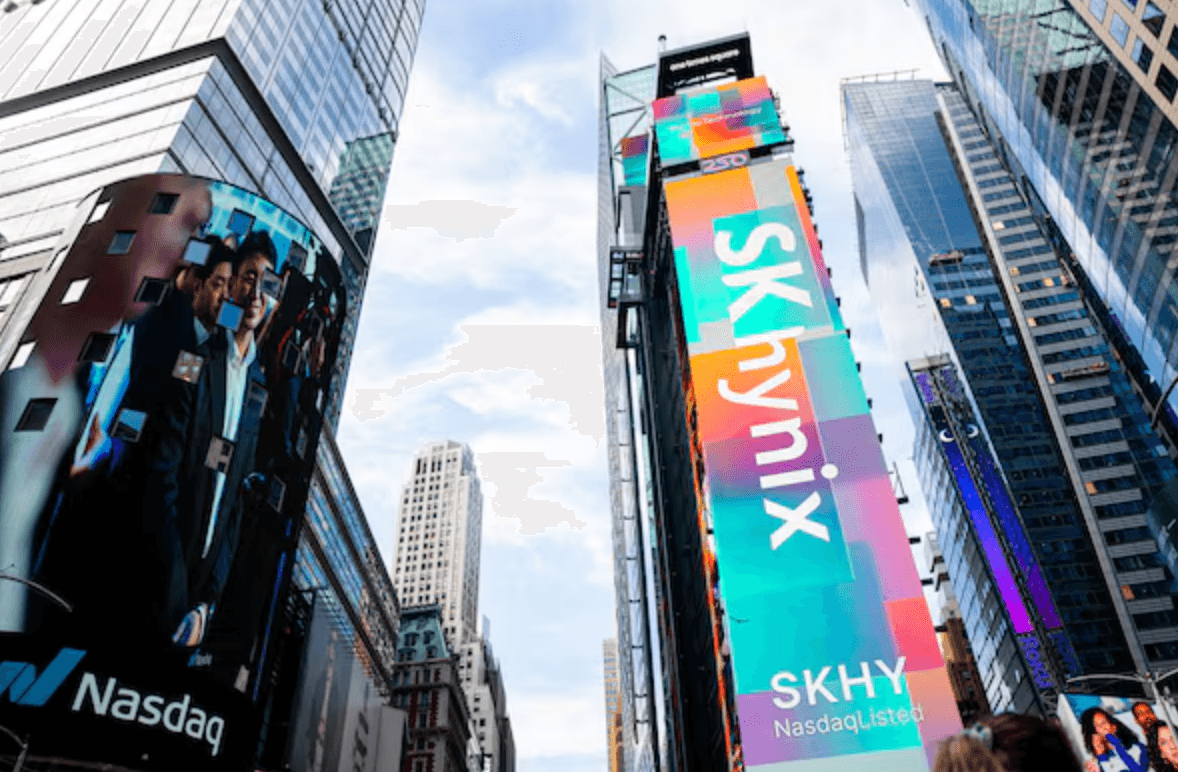
July 29 is SK Hynix's first earnings report as a US-listed company. The market expects SK Hynix to report the strongest quarter in its history with revenue roughly doubling from Q1's already extraordinary level. For SKHY investors, the report is the first opportunity to see whether the business trajectory that the $149 IPO price and the subsequent trading have been built on is performing at the pace the HBM demand environment implies.
The specific disclosures that will move SK Hynix stock most significantly on July 29 are the HBM revenue trajectory and whether the memory shortage the CEO described as potentially lasting past 2030 is appearing in contracted revenue rather than just management commentary. Any disclosure of long-term supply agreements with Nvidia, hyperscalers, or other AI infrastructure customers would validate the demand durability thesis in ways that current prices do not reflect.
The Q3 guidance is the second critical July 29 disclosure. A company growing revenue at rates that justify the Barclays 70% upside call provides Q3 guidance that confirms sequential acceleration rather than suggesting the extraordinary Q2 is a one-quarter peak. Management tone on HBM pricing, yield improvements that could affect margins, and the competitive positioning relative to Micron's growing HBM qualification progress will be the forward-looking signals that analysts use to revise their models.
Investors who buy SK Hynix stock at current levels before July 29 are accepting binary event risk that the lockup expiry structure and the simultaneous first earnings report create for SPCX on August 6. The difference is that SKHY's July 29 report does not carry a simultaneous lockup expiry, which removes one layer of the supply overhang that makes the SPCX binary event more complex.
The HBM Thesis That Makes Current Prices Interesting
The fundamental case for buying SK Hynix stock at the 52-week low rests on one specific and durable fact that the post-IPO selling dynamics have not changed: SK Hynix controls approximately 57% of global HBM revenue in a market where the CEO of the world's largest memory company publicly stated the shortage may last past 2030.
HBM is not a commodity product that any sufficiently capitalized company can produce at will. The manufacturing complexity, yield challenges, and qualification requirements that have made HBM the most valuable product in the memory industry create barriers to rapid supply normalization that previous DRAM cycles did not have. Samsung has been attempting to close the HBM gap with SK Hynix for years without yet matching SK Hynix's yield rates or Nvidia qualification status at comparable volumes.
At a 52-week low and below the IPO price, SK Hynix stock is priced as though the HBM market leadership that institutional investors paid $149 for ten days ago has somehow become less valuable. The business has not changed. The memory shortage has not resolved. The Nvidia relationship has not changed. What has changed is the post IPO holder base composition and the broader semiconductor sector sentiment that has applied selling pressure indiscriminately across all AI memory names.
Three Investor Profiles and Their Different Answers
Long-term investors with a twelve to twenty-four month horizon who believe HBM demand compounds at rates the CEO's shortage commentary implies and who have incorporated the 51% US premium risk into their position sizing find SK Hynix stock below the IPO price with Barclays' 70% upside call published simultaneously to be one of the more attractive AI memory entry points available. The post-IPO mechanical selling that drove the stock to the 52-week low creates buying opportunities for investors whose horizon extends beyond the immediate post-listing volatility period.
Investors who specifically want July 29 earnings to validate the business trajectory before committing should wait. The cost of missing a pre-earnings recovery if July 29 delivers the strongest quarter in SK Hynix history is real but bounded by how much the stock can recover on incomplete information. The benefit of waiting is eliminating the binary event risk that nine days of uncertainty creates.
Traders who have been following SKHY since the listing and who identify the 52-week low combined with the Barclays initiation as a specific technical and fundamental setup may find the current combination of maximum post-IPO pessimism and major institution buy initiation to be a compelling short-term entry regardless of how July 29 resolves the longer-term questions.
For those looking to participate in global financial markets, having access to the right trading platform matters. WEEX offers crypto and stock trading products, covering major global markets including US stocks and digital assets.
Conclusion
SK Hynix stock at a 52 week low below the IPO price with Barclays initiating at Overweight with 70% upside on the same day is a specific market structure event that forces a direct answer to the buy question rather than allowing investors to defer it.
The buy case rests on the HBM market leadership that 57% revenue share represents, the CEO's public shortage commentary extending past 2030, the Barclays institutional conviction arriving precisely at the worst price the stock has traded at, and the July 29 earnings report that is expected to show the strongest quarter in SK Hynix history.
The wait case rests on the 51% US premium over Korean shares creating mean reversion risk, the post-IPO holder base dynamics producing selling pressure independent of the business, and the nine-day window before July 29 creates a binary event that could move the stock significantly in either direction.
What SK Hynix stock does at the 52 week low tells investors something specific about whether the post-IPO selling has been exhausted or whether it has further to run. July 29 tells investors something about whether the business trajectory that the IPO price implied is delivering on the schedule the HBM demand environment suggests it should.
FAQ
1. Is SK Hynix stock a buy at its 52 week low?
The buy case is strongest for long-term investors who believe HBM demand compounds at rates the CEO's shortage commentary implies and who can absorb the 51% US premium mean reversion risk. Barclays initiated with Overweight and roughly 70% upside on the same day the stock touched its 52-week low. July 29 earnings is the specific near-term catalyst that either validates the entry or reveals that the post-IPO selling was reflecting information the business trajectory will confirm.
2. Why did SK Hynix stock fall below its IPO price?
Post-IPO mechanical selling from allocated investors taking profits, momentum buyers cutting losses after the first-day surge from $149 to $177, broader semiconductor sector sentiment pressure from AI capex uncertainty, and the 51% premium over Korean shares creating mean reversion concern have collectively driven SKHY from its first-day high to the 52-week low independent of any fundamental change in SK Hynix's business.
3. What did Barclays say about SK Hynix stock?
Barclays initiated coverage with an Overweight rating citing approximately 70% upside from current levels on the same day SKHY touched its 52-week low. The firm's thesis centers on SK Hynix's HBM market leadership at 57% revenue share and the institutional accumulation cycle for a $26.5 billion Nasdaq listing taking months rather than days to develop.
4. What is the 51% premium and why does it matter?
SKHY trades at approximately 51% above the implied value of the Korean-listed shares it represents. HSBC documented an average 35% accessibility premium for Korean ADRs over thirteen years. The current 51% is above historical norms, creating mean reversion risk where SKHY could underperform the Korean shares even if the underlying business performs well.
5. When does SK Hynix next report earnings and what should investors watch?
SK Hynix reports Q2 2026 results on July 29, nine days from today, in its first earnings report as a US-listed company. HBM revenue trajectory, any long-term supply agreement disclosures with Nvidia or hyperscalers, Q3 guidance implying continued sequential growth, and management commentary on HBM pricing sustainability are the four most important disclosures for determining whether the 52-week low entry proves to be the obvious buying opportunity in hindsight.
Disclaimer: This content is provided for general branding and informational purposes only and doesn't constitute financial, investment, legal, or tax advice. Any events, rewards, online events, or related information mentioned herein should not be considered a recommendation, solicitation, or invitation to purchase, sell, trade, or otherwise deal in any crypto assets or to use any services. Crypto assets are highly volatile and may result in loss. WEEX services and online events may not be available in all regions and are subject to applicable laws, regulations, and eligibility requirements. You are responsible for ensuring that your use of WEEX services complies with local laws and for carefully assessing the risks before participating in any crypto-related activities.
You may also like

How Will the CLARITY Act and Bank-Grade Stablecoin KYC Rules Change Crypto Trading in 2026
Why Is BitMine Buying Millions of Ethereum Tokens and Staking $9 Billion in ETH in 2026
How to Protect Your Bitcoin from Physical Attacks: Lessons From the NYC Crypto Torture Case in 2026
What Is the NYC Crypto Kidnapping Case? The Soho Bitcoin Attack Explained — 2026 Case Analysis
SpaceX Stock (SPCX): Now Public, and Back Where It Started
USA Rare Earth (USAR): What It Is and How to Trade the Token
NVIDIA Stock in 2026: Real Shares, Tokenized NVDA, and Perpetuals Compared
How to Buy USAR Coin: Buying Tokenized USA Rare Earth Stock the Right Way
WEEX Poker Party Series 4: Draw Cards to Split a $1M USDT Pool
Are Prediction Markets Legal? CFTC vs SEC Regulation Explained
Why Is TSMC Stock Down After a 77% Profit Jump? What Wall Street Is Actually Worried About
Is Samsung Stock a Buy at Its Lowest Level Since the AI Boom Began?
Samsung Stock and the KOSPI Bear Market: What the 30% Decline From Peak Tells Investors
Oil Price Above $90: What the US-Iran War Means for Your Portfolio Right Now
Iran War and Bitcoin: Why Crypto Is Not Acting Like a Safe Haven at $90 Oil
KOSPI Stock Market Enters Bear Market: What a 25% Drop From the Peak Means for Investors
KOSPI Stock Bear Market: What It Means for Samsung, SK Hynix and Korean Chip Stocks
Is the KOSPI Stock Market a Buy After Entering Bear Market Territory?
SK Hynix Leveraged ETFs SKHL SKHX SKHZ: What Each One Does and Who Should Use Them
Barclays Sees 70% Upside for SK Hynix Stock: What the Overweight Rating Means
Is This Really Messi's Last World Cup? What the 2026 Final Means for His Legacy
Who Is Ferran Torres? The Substitute Who Won the 2026 World Cup for Spain
2026 FIFA World Cup Winner: Spain Beats Argentina to Claim Second World Title
SK Hynix Stock: SKHY's Wild Nasdaq Debut and What Comes Next
JEPQ Stock in 2026: Price, Monthly Dividend, and Real Risks
FIFA World Cup 2026 Final Winner: Spain Beat Argentina 1-0 in Extra Time
Cathie Wood AMD Stock Sale: Why ARK Keeps Trimming a 140% Winner

Argentina vs Spain World Cup Final 2026: Score and Crypto Fallout
B2H Crypto Scam or Legit? Back 2 Humans Meme Coin Explained
Intel Stock Forecast: Can AI and 18A Foundry Drive INTC Growth?
How Will the CLARITY Act and Bank-Grade Stablecoin KYC Rules Change Crypto Trading in 2026
Why Is BitMine Buying Millions of Ethereum Tokens and Staking $9 Billion in ETH in 2026
How to Protect Your Bitcoin from Physical Attacks: Lessons From the NYC Crypto Torture Case in 2026
What Is the NYC Crypto Kidnapping Case? The Soho Bitcoin Attack Explained — 2026 Case Analysis
SpaceX Stock (SPCX): Now Public, and Back Where It Started
USA Rare Earth (USAR): What It Is and How to Trade the Token
Contents
Popular coins
Latest articles


