
JPMorgan Analysis: The Recent AI Stock Plunge May Not Rebound as Quickly as in July

 Prefer us on Google


TL;DR
· JPMorgan assesses that even if AI stocks rebound in October, the speed and strength may not match that of July.
· From the perspective of positions and capital flows, related stocks have not shown significant oversold characteristics, and the decline itself is insufficient to justify a rebound.
· The Korean market lacks the ETF bottom-fishing funds that were present during the July adjustment, and low short positions also limit potential buyback demand.
· The relative scale of leveraged semiconductor ETFs has risen again in August and September, which may amplify market volatility.
· Samsung and SK Hynix's combined $40 billion buyback was completed ahead of schedule, further weakening buy support.
In July, AI concept stocks experienced a significant adjustment, but the decline did not last long, and the subsequent rebound was rapid and strong. As October arrives, the AI sector is under pressure again, but JPMorgan's global strategy team believes that the market is unlikely to replicate the previous recovery path.
JPMorgan strategist Nikolaos Panigirtzoglou points out that compared to July, current investors' willingness to buy on dips has weakened, corporate buybacks have decreased, and there are fewer short positions that could convert into buyback demand during the decline, while the scale of leveraged assets in exchange-traded funds (ETFs) has increased.
For investors holding AI infrastructure stocks, a more concerning judgment is that despite the decline in stock prices, these stocks have not shown significant oversold conditions from the perspective of positions and capital flows.
The Decline Spreads from Korea, but Bottom-Fishing Funds Have Not Followed
The initial signs of this round of AI stock volatility have once again appeared in Korea.
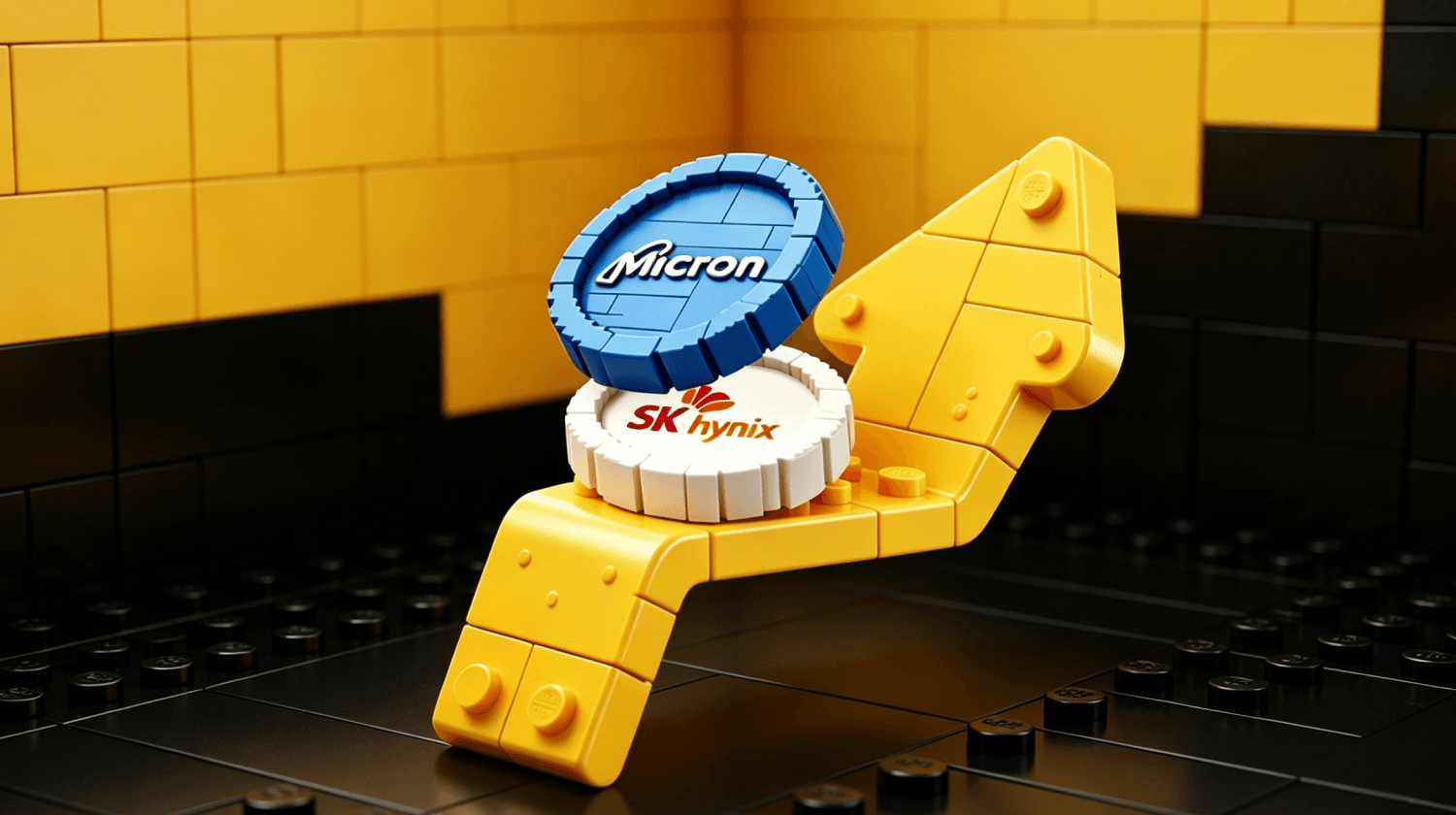
As major beneficiaries of AI infrastructure investment, the stock prices of semiconductor giants SK Hynix and Samsung Electronics have both dropped nearly one-third in the past month. Market concerns are primarily focused on two aspects: the potential slowdown of the AI capital expenditure boom and the possibility that lower-priced Chinese competitors may erode growth and profit margins.
In recent weeks, the sell-off has gradually spread throughout the entire AI industry chain. Higher interest rates, along with the ongoing unprofitability of companies like Anthropic and OpenAI, have led investors to reassess the growth prospects of AI infrastructure expansion. As of the time of reporting, the Philadelphia Semiconductor Index has fallen about 10% over the past five trading days, with Intel's decline being roughly comparable.
However, compared to July, the response of capital to the decline has changed.
Panigirtzoglou notes that during the first round of sell-offs in the Korean stock market, investors had bought on dips through leveraged and non-leveraged ETFs. In the current October adjustment, similar buying has been rare. The funds that previously helped absorb selling pressure have not yet returned significantly.
Limited Short Covering, Leveraged Risks Reaccumulating
The differences in short positions have also left this round of the market lacking a potential support.
In July, the largest Korean stock ETF listed in the U.S., the iShares MSCI Korea ETF (EWY), saw a significant increase in short positions. However, this month, the changes in short positions for this fund have been minimal. JPMorgan also points out that the short positions for products like the VanEck Semiconductor ETF (SMH) and Roundhill Semiconductor ETF (DRAM) are at relatively low levels.
Short sellers need to buy back the securities they previously sold when closing their positions. Therefore, after stock prices decline, the buying pressure from short covering can sometimes help slow down the market's decline or even drive a rebound. The current low short positions mean that this potential buying pressure is relatively limited.
At the same time, leverage is reaccumulating.
One indicator that Panigirtzoglou is focused on is the asset management scale of leveraged semiconductor ETFs relative to the total market capitalization of the underlying stocks. The higher this ratio, the stronger the amplifying effect of leveraged funds on the volatility of related stocks.
This ratio fell to a low point at the end of July but has risen again in August and September. This indicates that some of the leveraged risks released after the last round of adjustments have now returned to the market.
Buybacks End Early, Rebounds Need New Buying Pressure
Changes in corporate buybacks are another important distinction between this round of adjustments and July.
After recording strong profits in the second quarter, SK Hynix and Samsung Electronics announced a combined $40 billion stock buyback plan. These plans were executed faster than expected and were completed ahead of schedule by mid-October.
For the market, buybacks mean that companies use their own funds to buy back stocks, providing relatively sustained demand. When investors reduce their positions and market sentiment weakens, this buying pressure can absorb some of the selling pressure and alleviate downward pressure on stock prices.
The early completion of buybacks means that this demand exits earlier than expected. The selling pressure that was previously absorbed by corporate funds now needs to be taken over by other investors. Even if the company's operational outlook does not worsen further, changes in buying and selling forces may make it more difficult for stock prices to stabilize.
At the end of July, the market did not face the same sudden reduction in buyback funds. Therefore, although both rounds of adjustments were initially pressured by Korean semiconductor stocks, the funding conditions supporting subsequent recovery have shown significant differences.
This also explains why JPMorgan emphasizes that a decline in stock prices does not mean that positions and capital flows have adjusted to a level sufficient to support a strong rebound.
From the perspective of buying sources, the current market faces multiple constraints: ETF investors have not entered the market to bottom-fish as clearly as in July; low short positions mean that the demand for buybacks formed by profit-taking is limited; and the end of corporate buybacks has reduced a source of continuous buying pressure. Meanwhile, the relative scale of leveraged semiconductor ETFs has risen again in August and September, making the market face the risk of amplified volatility while its absorption capacity weakens.
These combined factors make the rebound more dependent on new capital inflows. While falling stock prices can lower buying costs, they do not automatically create buying willingness. In the face of potential slowdowns in AI capital expenditures, intensified competition, and uncertainties in profit realization under high interest rates, investors may need more evidence before they are willing to increase their positions again.
Therefore, JPMorgan's judgment primarily points to the recovery capacity after this round of adjustments: the several sources of buying pressure that previously drove the market to rebound quickly in July may have weakened or not yet appeared, while leveraged risks have accumulated. This does not rule out the possibility of a short-term rebound, but it means that the market is unlikely to expect the same rapid and strong recovery based solely on previous experiences.
Following this analytical framework, it will be worth observing whether Korean and semiconductor-related ETFs can attract funds again, whether leveraged positions are digested, and whether companies will launch new buyback plans. Before these supports show improvement, this round of AI stock adjustments may require a longer time to re-establish a sustained buying foundation.
-- Price
This content is provided for general informational purposes only and doesn't constitute financial, investment, legal, or tax advice. Any events, rewards, online promotions, or related information mentioned herein should not be considered a recommendation, solicitation, or invitation to purchase, sell, trade, or otherwise deal in any crypto assets. Crypto assets are highly volatile and may result in loss. The availability of WEEX services, products, and related events may vary by region. You are responsible for ensuring that your participation is in accordance with applicable local laws and regulations.
You may also like

Tokenized Stocks: 9 Companies Oppose OKX-ICE, Nasdaq Withdraws

Citi and Bank of America Limit AI Agents' Access to Customer Accounts

CryptoQuant CEO sees $30,000 Bitcoin floor even if ETFs and treasury firms exit

JPMorgan Decides to Block External AI Access

MSCI Plans to Remove Strategy and Other Bitcoin Treasury Companies from Global Stock Indices, Potential Outflow Could Reach $8.8 Billion

JPMorgan Leads $4.25 Billion Acquisition Financing, Jefferies Participates

JPMorgan Warns AI Stocks May Struggle to Replicate July Rally

Crypto: BlackRock's ETFs Bounce Back 63%, Far from 2025 Peak
Nine Major Banks Accused of De-Banking Practices, OCC Releases Final Report

Polymarket Revives Speculation on Unique Token and Airdrop

Goldman Sachs Equity Trading Revenue Rises 72% to 6.44 Billion, JPMorgan Bond Desk Misses Estimates

JPMorgan Blocks External AI Access to Accounts

Major Banks' Q3 Reports Show Resilience in U.S. Consumer Spending and Active AI Financing Demand

JPMorgan Issues $7 Billion Bond to Kick Off Financing Wave

Wells Fargo prepares for stablecoins as CEO questions US use cases

Bitcoin Bank Adoption Index Rises to 34%, Fidelity Ranks First

Federated Hermes Launches On-Chain Fund Share Program

Morgan Stanley's Wilson: The bond market has already 'raised rates' for the Fed, and the rebound in US stocks depends on two key signals
BYD Stock Rises in Hong Kong as EV Shares Rally: Does the Zunjie V800 Brake Controversy Really Help BYD and Xiaomi?

International Oil Prices Exceed $100, U.S. Treasury Yields Surpass 5%... Wall Street Issues Growing Bubble Warning for Stock Market

Will tokenized collateral in the EU be convertible to liquidity during a default?

Nasdaq: Tokenization Could Unlock Tens of Billions of Dollars in Collateral

JPMorgan Plans to Double Assets Under Management in Europe to $2 Trillion Over the Next Five Years
U.S. Large Banks Lose $270 Billion in Market Value, Q3 Earnings in Focus

ESMA Seeks Feedback on Tokenized Collateral Liquidity
KBW CEO Michaud Discusses Q3 Bank Earnings Pressure
Taurus Co-founder Says Banks Need to Build Three-Tier Infrastructure to Access Swift Blockchain

BingX Executive Claims Wealthy Investors Have Longer Bitcoin Holding Periods

Coinbase Business Chief Discusses Increased BTC Exposure by Big Banks

Revolut's Private Valuation Reaches $115 Billion, Becoming Europe's Highest-Valued Startup
Tokenized Stocks: 9 Companies Oppose OKX-ICE, Nasdaq Withdraws
Citi and Bank of America Limit AI Agents' Access to Customer Accounts
CryptoQuant CEO sees $30,000 Bitcoin floor even if ETFs and treasury firms exit
JPMorgan Decides to Block External AI Access
MSCI Plans to Remove Strategy and Other Bitcoin Treasury Companies from Global Stock Indices, Potential Outflow Could Reach $8.8 Billion
JPMorgan Leads $4.25 Billion Acquisition Financing, Jefferies Participates


