
Stake ETH or Hold USDT on WEEX? The Price Move That Decides It

 Prefer us on Google


Key Takeaway
On WEEX, staking ETH pays 2% APR, while USDT in WEEX Auto Earn pays a blended 4.4% on 1,000 USDT. So ETH has to rise about 2.4% in a year just to match parking the same money in USDT. This guide shows the break-even price move at each balance, and why yield should rarely decide which asset you hold.
The Two Rates Being Compared
WEEX ETH staking and WEEX Auto Earn pay very different rates. As of October 21, 2026, flexible WEEX ETH staking pays 8% APR from 0.0 to 0.2 ETH and 2% APR from 0.2 to 10,000 ETH, paid in ETH. WEEX Auto Earn pays 10% APR on the first 200 USDT and 3% APR from 200 to 500,000 USDT.
Because of the tiers, the USDT rate depends on your balance:
- 1,000 USDT: about 4.4% blended
- 10,000 USDT: about 3.14% blended
- 100,000 USDT: about 3.01% blended
Both products have no lock-up. ETH staking starts from 0.01 ETH, and WEEX Auto Earn starts from 0.01 USDT.
The Price Move That Decides It
ETH staking beats USDT only if ETH's price rises enough to cover the rate gap. The break-even move is (1 + USDT rate) ÷ (1 + ETH rate)- 1. Below that move, USDT ends the year ahead in dollar terms.
The ETH price rise needed to tie with USDT over one year:
- 1,000 USD: about 2.35%
- 10,000 USD: about 1.12%
- 100,000 USD: about 0.99%
The larger the balance, the smaller the gap. That is because the 10% USDT tier only covers the first 200 USDT.
-- Price
A 10,000 USD Example
- Hold USDT: about 10,314 USDT, whatever happens to ETH.
- Stake ETH, ETH flat: about 10,200 USD.
- Stake ETH, ETH up 10%: about 11,220 USD.
- Stake ETH, ETH down 10%: about 9,180 USD.
The 114 USD yield gap is small next to a 10% price move either way. Yield shifts the result a little. ETH's price decides most of it.
What Switching Between Them Costs
Moving between ETH and USDT means a spot trade. WEEX charges VIP 0 users 0.1% per spot trade, plus any spread. A round trip costs at least 0.2%.
On 10,000 USD, that is about 20 USD in fees for a round trip. Switching often to chase the higher rate can cost more than the rate gap itself.
How to Decide Between Them
The real question is which asset you want to hold, not which rate is higher. If you already hold ETH, staking it is better than leaving it idle. If you want to stay in dollars, WEEX Auto Earn pays more than ETH staking.
- You want ETH exposure: stake it. Idle ETH earns nothing, and staking also offsets ETH's roughly 0.8% yearly issuance.
- You want to stay in dollars: keep USDT in WEEX Auto Earn.
- You are unsure: split the balance instead of switching back and forth.
Neither product protects your principal. ETH's price can fall, and USDT can lose its peg. Rates on both products are estimates and can change.
Compare products on the WEEX Staking page. The Auto Earn rules page lists which USDT balances count.
FAQ
- Is staking ETH or holding USDT better on WEEX?It depends on ETH's price. At 1,000 USD, ETH must rise about 2.35% in a year to match USDT in WEEX Auto Earn.
- Why does USDT pay more than ETH staking on WEEX?As of October 21, 2026, WEEX Auto Earn pays 10% on the first 200 USDT and 3% above. ETH staking pays 2%.
- Should I sell ETH to earn more on USDT?Only if you no longer want ETH exposure. The rate gap is small compared with ETH's price moves.
- Does idle ETH on WEEX earn anything?No. ETH earns rewards on WEEX only when you subscribe it to WEEX Staking.
This content is provided for general informational purposes only and doesn't constitute financial, investment, legal, or tax advice. Any events, rewards, online promotions, or related information mentioned herein should not be considered a recommendation, solicitation, or invitation to purchase, sell, trade, or otherwise deal in any crypto assets. Crypto assets are highly volatile and may result in loss. The availability of WEEX services, products, and related events may vary by region. You are responsible for ensuring that your participation is in accordance with applicable local laws and regulations.
You may also like
What Is Pearl (PRL) Crypto and How Does Its Mining Work?
How Transparent Is a Crypto Exchange? Checking Proof of Reserves and Protection Funds
What Is Leverage Trading in Crypto? A Beginner’s Guide With Simple Examples
Is RSI a Good Indicator? How the Relative Strength Index Works, Its Limits and How Traders Use It
CRWV Stock Swings From -9.5% to +5.9%: Why CoreWeave Reversed
Walrus (WAL) Jumps 30%: Sui Storage Token Rallies on AI Data
CoreWeave Stock Plunges 15%: Why a Bond Yield Spooked CRWV
Best Crypto Miner for Beginners: What to Check on Cost, Power, Hashprice and Profit Before You Buy
MU Stock Falls Below $1,000: Is the CXMT Threat Real or Just an Excuse to Take Profits?
Stop Limit Order: How It Works and Why It Can Fail to Fill

Best Crypto Podcasts for Beginners: A 4-Week Listening Plan
Will Bitcoin Break $87,000 This Week? CPI, Fed Speakers and ETF Outflows to Watch
Conflux (CFX) Price Jumps on China's National Blockchain Network Plan: Does the Policy Actually Name CFX?
What Is Plume (PLUME)? Why the RWA Token Stays 93% Below Its High Even After the Layer 2 Rally

Who Is David Ellison? Skydance’s Strategy, Media Consolidation, and the Investment Case
Crypto Funding Rate: Who Pays, What It Costs, What It Signals
PEP Earnings: PepsiCo Beats Q3, Cuts Guidance on North America
BTC Futures Analysis: $80K Held, but Longs Are Still Paying Up
Third-Party Trading Platforms vs Direct WEEX Trading: Fees, Liquidity, Security, and Control
How to Day Trade Crypto for Beginners: Do the Fee Math First
What Is Blockchain and How Does It Work? One Real Payment Traced
What Is a Blockchain Node? Types, 2026 Counts, and Real Costs
TSMC Stock Outlook Ahead of Q3 Earnings: Can AI Demand Push Shares Higher?
Taiwan Stock Market Nears 50,000: Can the TAIEX Break the Milestone After the Holiday?
How to Buy USDT in Thailand: Payment Methods, Fees and Transfer Checks
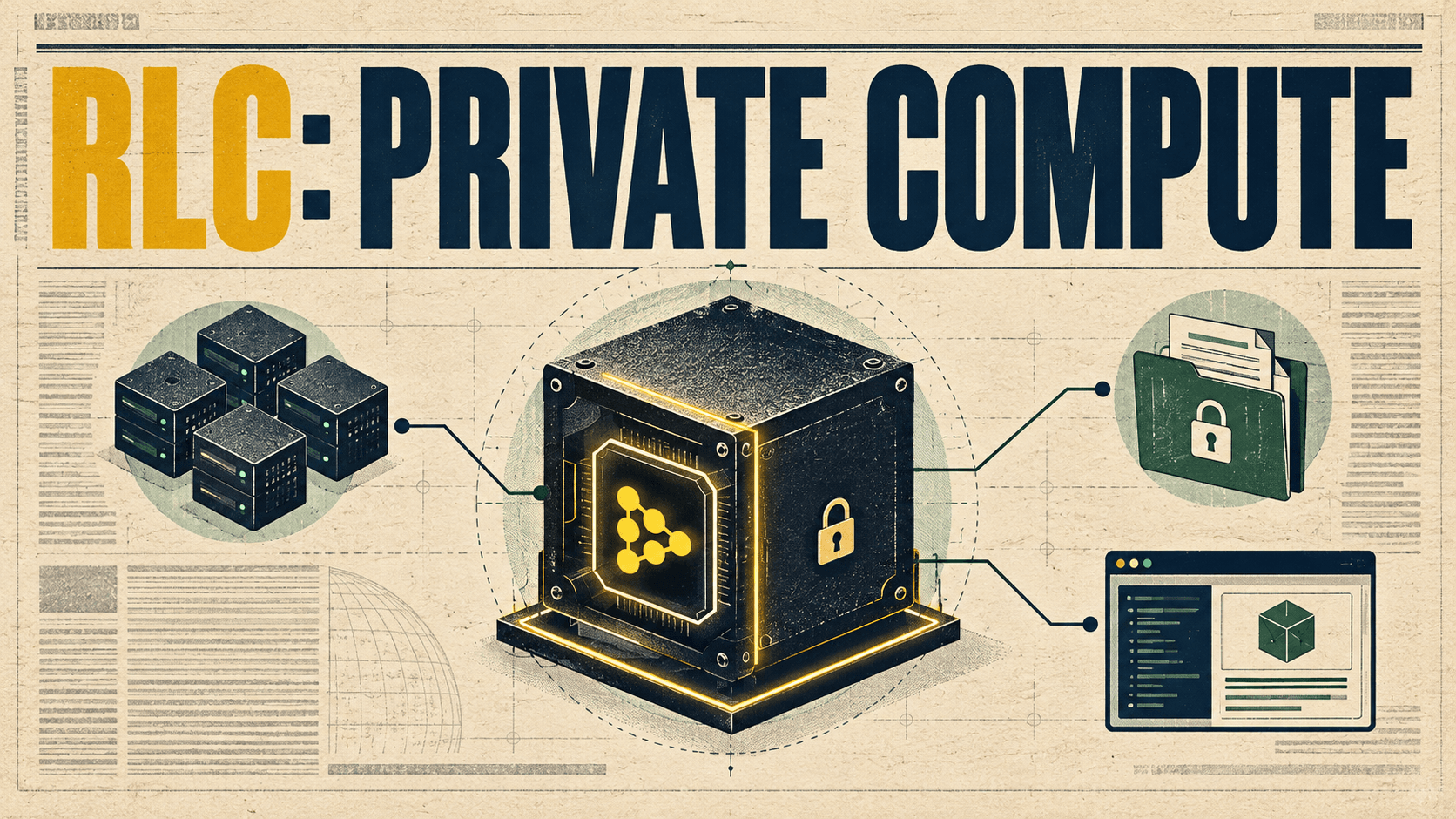
What Is RLC Crypto? How iExec (RLC) Powers Confidential Computing
Best Crypto Trading Strategies for Beginners: What to Know Before You Trade
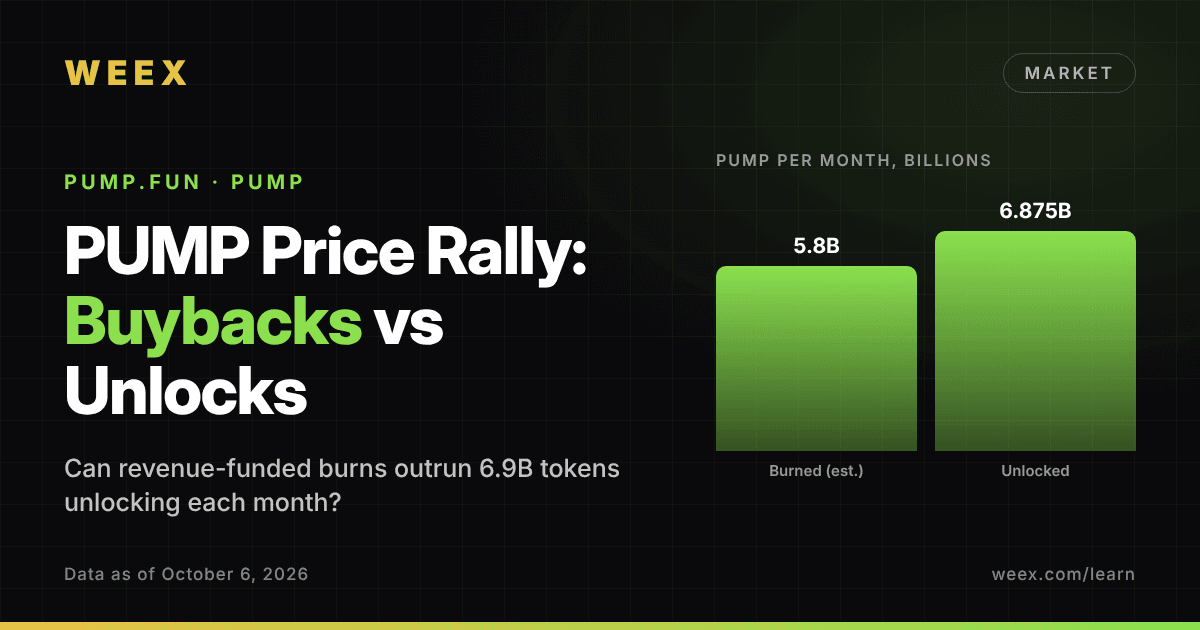
PUMP Price Rally: Can Pump.fun Buybacks Outrun Monthly Unlocks?
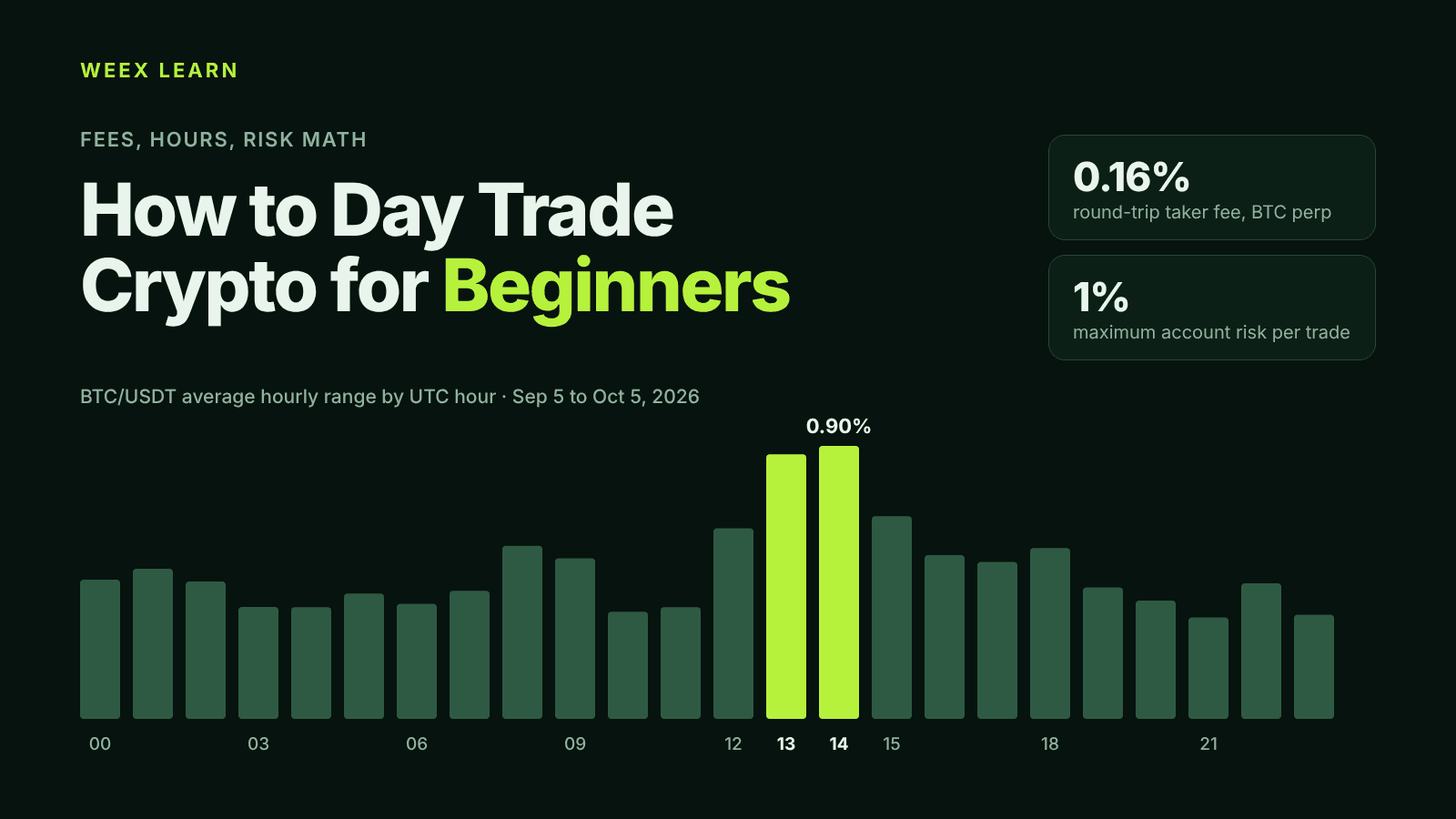
How to Day Trade Crypto for Beginners: Fees, Hours, Risk Math
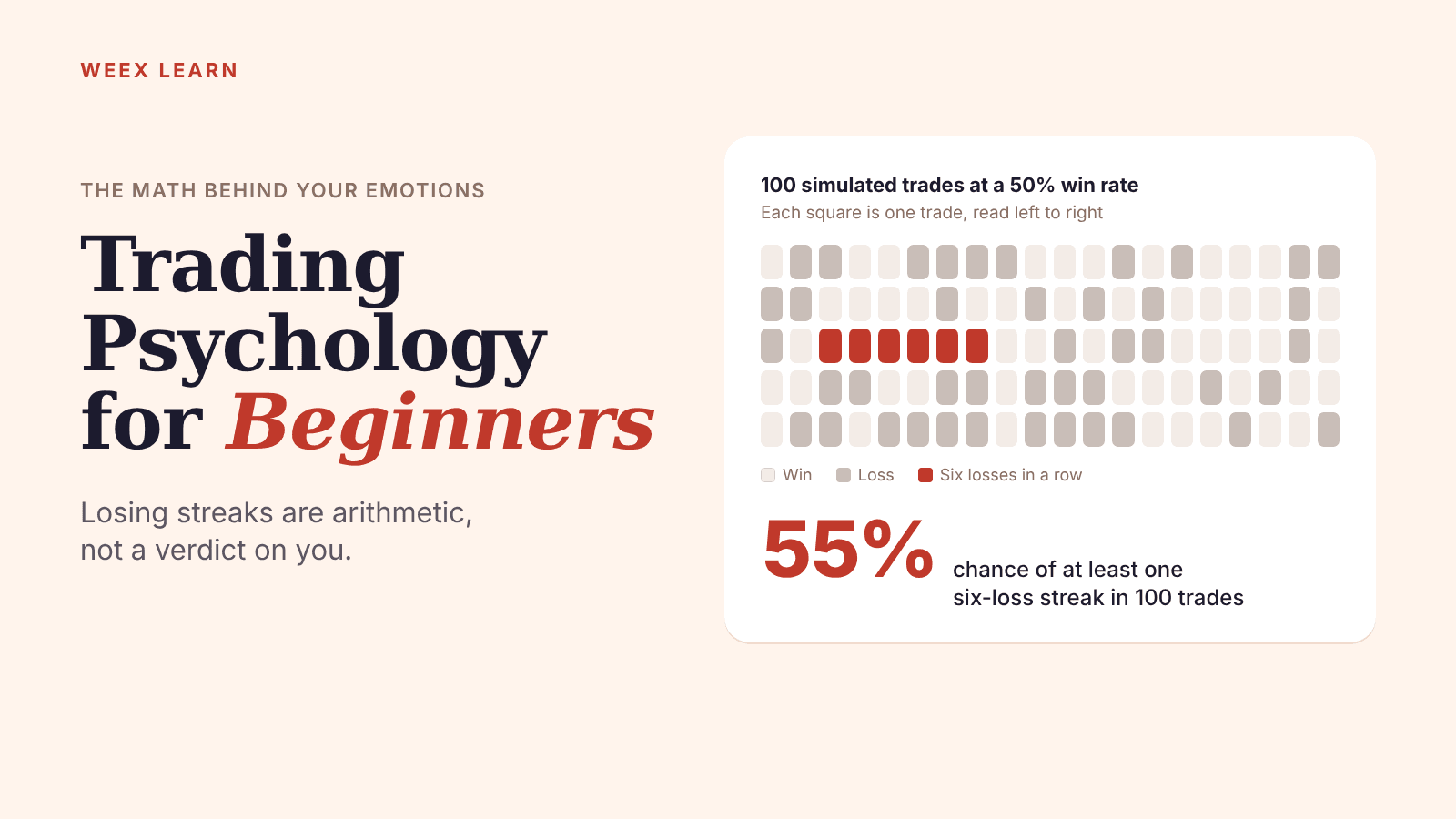
Trading Psychology for Beginners: The Math Behind Your Emotions
What Is Pearl (PRL) Crypto and How Does Its Mining Work?
How Transparent Is a Crypto Exchange? Checking Proof of Reserves and Protection Funds
What Is Leverage Trading in Crypto? A Beginner’s Guide With Simple Examples
Is RSI a Good Indicator? How the Relative Strength Index Works, Its Limits and How Traders Use It
CRWV Stock Swings From -9.5% to +5.9%: Why CoreWeave Reversed
Walrus (WAL) Jumps 30%: Sui Storage Token Rallies on AI Data



