
How Transparent Is a Crypto Exchange? Checking Proof of Reserves and Protection Funds

 Prefer us on Google


Crypto exchange transparency comes down to one test: can you check an exchange's claims about your money without taking its word for them? In practice that means three things you can verify yourself, namely proof of reserves with a recent dated snapshot, a protection fund held at a public address, and a way to confirm official contacts. This article gives you an exchange transparency checklist built on those three, explains what each one does and does not prove, and works through the process using live figures from one exchange.
The reason this matters is simple. When an exchange fails, the warning signs are usually visible in what it does not publish: no reserve data, reserve data with no liabilities, numbers with no date, or a "fund" with no address. A transparent exchange gives you things you can open, download and compare. An opaque one gives you adjectives.
Transparency is also not the same as safety. A platform can publish excellent data and still have weak internal controls; another can be careful but say little. What disclosure does is shift the question from faith to evidence, so you can decide how much of your balance to leave on any one venue.
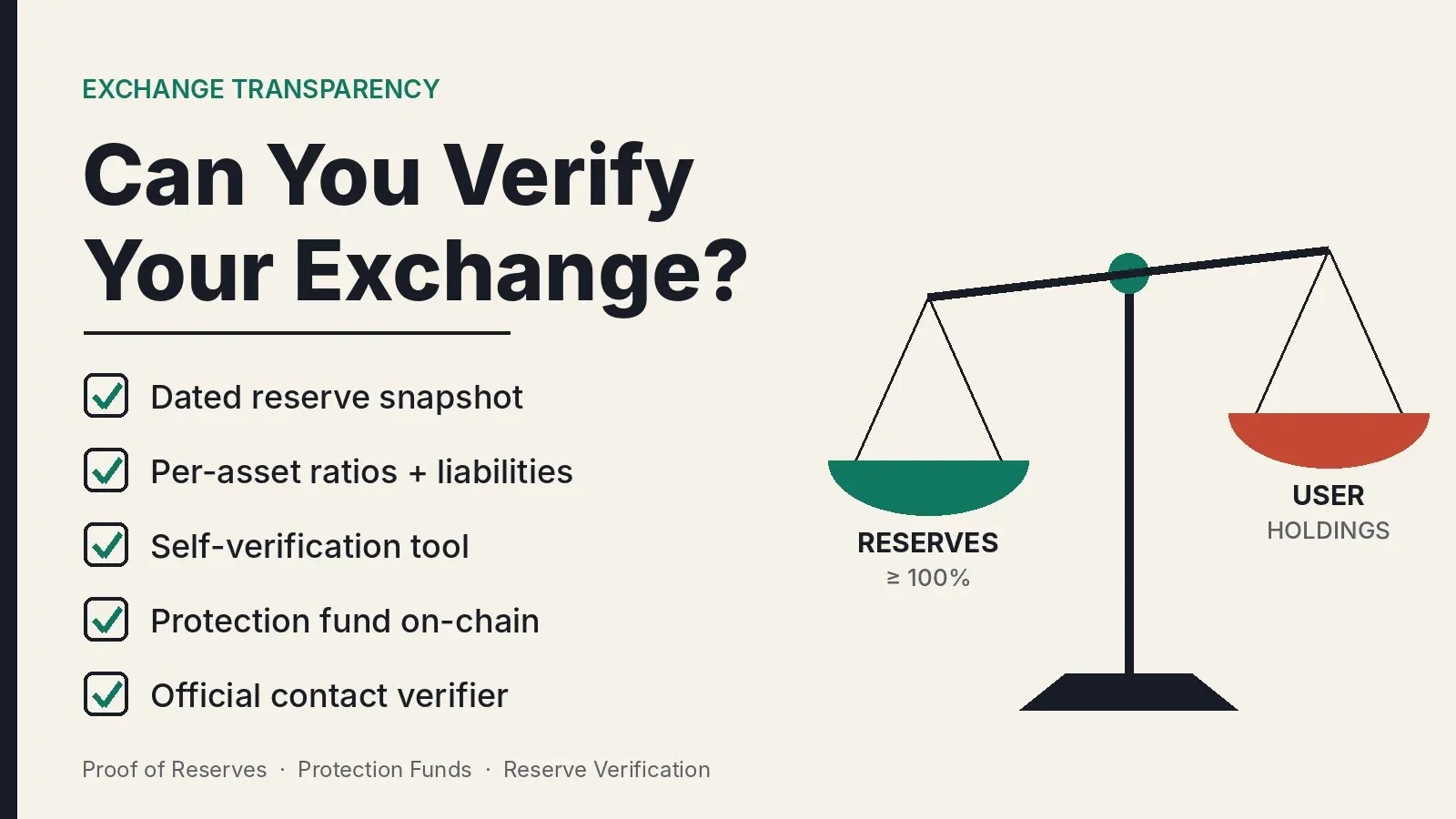
What Crypto Exchange Transparency Actually Means
Treat transparency as a set of claims, each paired with a way to test it:
- Reserves: "We hold your assets." Tested by proof of reserves that shows both platform holdings and user liabilities, per asset.
- Backstop: "We can cover losses." Tested by a protection fund at a public on-chain address with written terms.
- Identity: "This message is really from us." Tested by an official channel verifier.
- Process: "We run things responsibly." Tested by published security practices, legal documents and, ideally, independent audits.
The first three are checkable by an ordinary user in minutes. The fourth usually is not, which is why it deserves the most skepticism when it is offered without documents.
Proof of Reserves: What the Ratio Tells You and What It Hides
A proof of reserves report compares what the exchange holds with what it owes users. The headline is a reserve ratio: platform reserves divided by user holdings. At 100% or more, the exchange holds at least one unit for every unit it owes in that asset.
What makes a report useful:
- Liabilities, not just assets. A wallet balance alone proves only that an address holds coins. Without the user-liability side, there is no ratio.
- Per-asset ratios. A blended figure can hide a shortfall in one asset behind a surplus in another. You want BTC, ETH and stablecoins listed separately.
- A timestamp and a block height. "Recent" is not a date. A block height ties the snapshot to a point on the chain.
- User inclusion checks. Usually a Merkle-tree or similar tool that lets you confirm your own balance was counted.
What it hides: proof of reserves is a snapshot, so funds borrowed in before the date and moved out afterward would not show up. It also says nothing about corporate debts or other off-book obligations. Read it as a strong minimum, not a solvency certificate.
An Exchange Transparency Checklist You Can Run in 15 Minutes
Use this exchange transparency checklist on any platform you hold funds with:
- Find the reserve page. If there is none, stop here; that is your answer.
- Check the date. A snapshot older than about two months is stale.
- Look for per-asset ratios covering every asset you hold, with user liabilities shown.
- Note the thinnest ratio. The asset closest to 100% is where the buffer is smallest.
- Look for a self-verification tool so you can confirm your own balance is included.
- Open the protection fund address on a block explorer and compare the balance with the stated size.
- Run one contact through the official verifier, such as the support handle you would message if something went wrong.
If an exchange passes all seven, it is unusually open. If it fails steps 1 to 3, no amount of branding should change your view.
-- Price
How to Judge a Crypto Protection Fund
A crypto protection fund is a pool an exchange sets aside to compensate users after certain losses, typically from security incidents on the platform's side. Three questions separate a real backstop from a slogan:
- Can you see it? A specific on-chain address you can look up beats a press-release number.
- How big is it relative to user balances? A fund that is small next to user liabilities is symbolic; one that is large relative to them is meaningful.
- What do the terms exclude? Almost every fund excludes trading losses, phishing where the user authorized the transfer, and fraud. If you cannot find the terms, assume coverage is narrow.
The hard truth is that most user losses come from phishing and leverage, and protection funds rarely cover either. A fund is a backstop for platform failures, not for personal mistakes.
Exchange Reserve Verification, Worked Through With Real Numbers
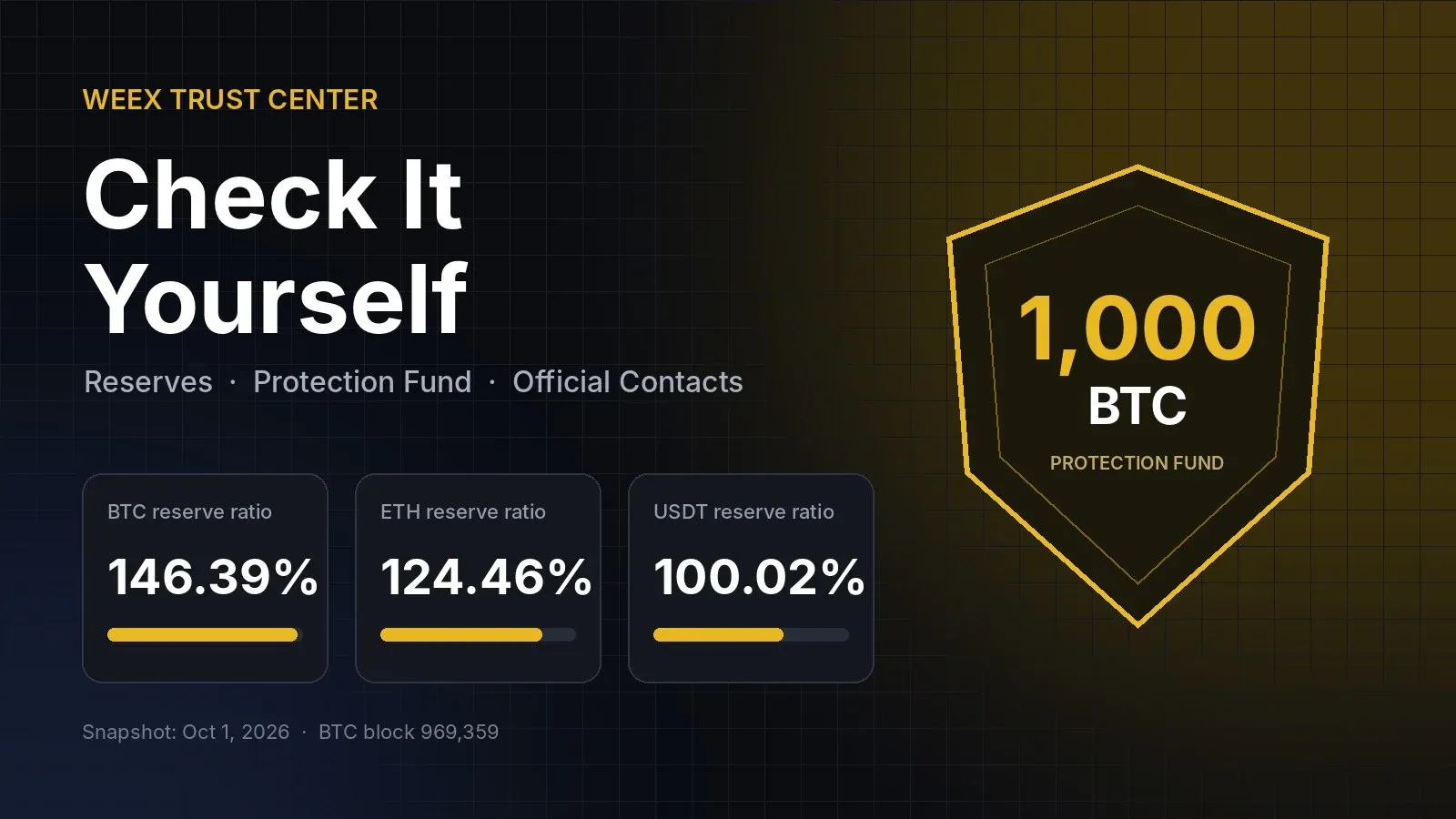
Here is the checklist applied to the WEEX Trust Center, which gathers reserves, a protection fund and a contact verifier on one page.
Date and block height. The published snapshot is dated October 1, 2026, at Bitcoin block height 969,359, so it passes the freshness check as of this writing.
Per-asset ratios with liabilities. All three listed assets show both sides:
- BTC: 146.39%, with 115.32 BTC held against 78.78 BTC owed to users.
- ETH: 124.46%, with 1,605.66 ETH held against 1,290.08 ETH owed.
- USDT: 100.02%, with about 101.05 million held against about 101.03 million owed.
The thinnest ratio. USDT is the one to watch. It is fully covered, but the surplus is roughly 18,850 USDT on a book of over 101 million, a buffer of about 0.02%. BTC and ETH carry far more slack. This is exactly the kind of detail a single blended ratio would bury.
Self-verification. WEEX publishes an open-source verification tool on GitHub that lets account holders download their balance data and check inclusion against the platform data.
Protection fund. The fund is stated at 1,000 BTC, with a public address (bc1qeg5xn5plttr7w045apm92yx08c2swc6yw2vtj7). On October 21, 2026 that address held 1,001.00043827 BTC. Measured against the 78.78 BTC users held net on the platform at the snapshot, the fund is about 12.7 times the BTC liability, which is large by the standard above. Its terms exclude trading losses, user-authorized transfers and fraud.
Official contacts. A contact verifier lets you test websites, emails, phone numbers, Telegram IDs and social accounts before you reply.
The result: six of seven checks pass cleanly, and the seventh, the size of the USDT buffer, is a pass with a note. What the page does not include is a named third-party auditor, so the reserve figures rest on published data plus the self-verification tool rather than on an external attestation. That is the right level of nuance to bring to any exchange, and it is why crypto exchange transparency is best treated as a routine you repeat with each new snapshot, not a box you tick once. You can run the same review yourself, starting from the WEEX Trust Center.
FAQ
1. What is proof of reserves in crypto?
It is a disclosure comparing an exchange's on-chain holdings of each asset with what it owes users in that asset, expressed as a reserve ratio. At 100% or more, holdings cover user balances at the snapshot time.
2. Does proof of reserves mean an exchange is safe?
No. It shows assets against user liabilities at one moment. It does not show other company debts, activity between snapshots, or the quality of internal controls.
3. What does a crypto protection fund cover?
Usually losses caused by platform-side incidents. Most funds exclude trading losses, phishing where the user authorized the transfer, and fraud, so read the terms.
4. How often should I check exchange reserve verification data?
Each time a new snapshot is published, typically monthly. Focus first on the asset with the lowest reserve ratio, since that is where the buffer is thinnest.
This content is provided for general informational purposes only and doesn't constitute financial, investment, legal, or tax advice. Any events, rewards, online promotions, or related information mentioned herein should not be considered a recommendation, solicitation, or invitation to purchase, sell, trade, or otherwise deal in any crypto assets. Crypto assets are highly volatile and may result in loss. The availability of WEEX services, products, and related events may vary by region. You are responsible for ensuring that your participation is in accordance with applicable local laws and regulations.
You may also like
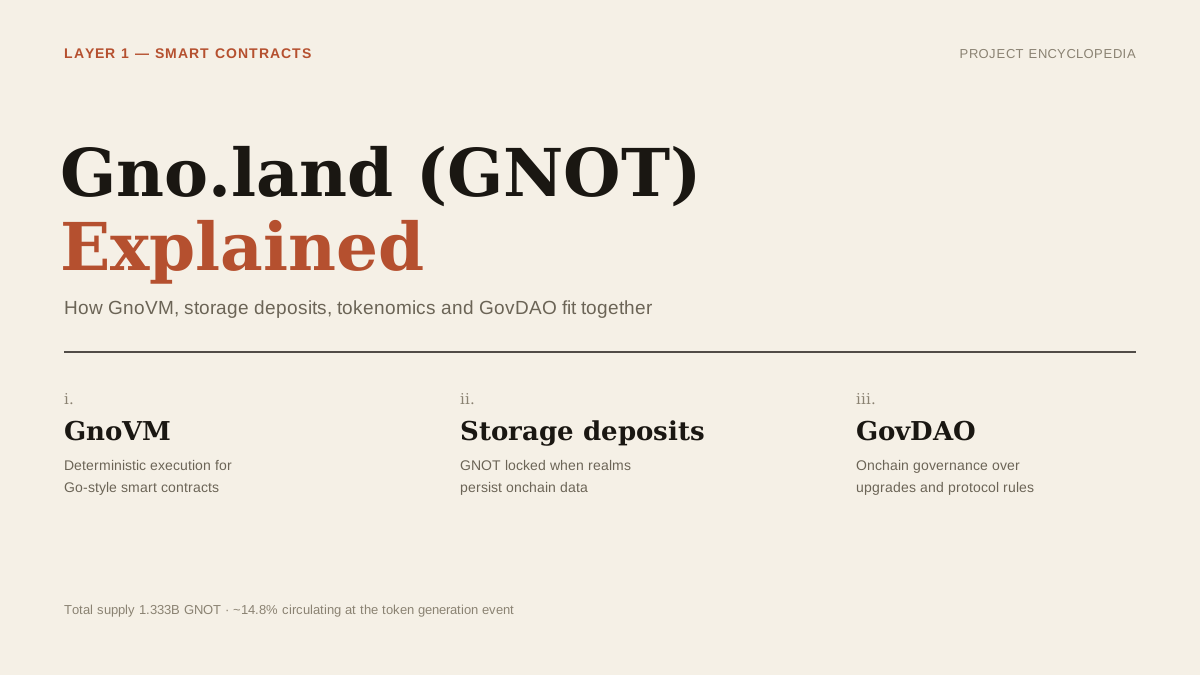
What Is Gno.land (GNOT)? How GnoVM, Storage Deposits, Tokenomics, and GovDAO Work
BTC Funding Rate and Open Interest: What Each One Measures and How to Read Them Together
What Is Pearl (PRL) Crypto and How Does Its Mining Work?
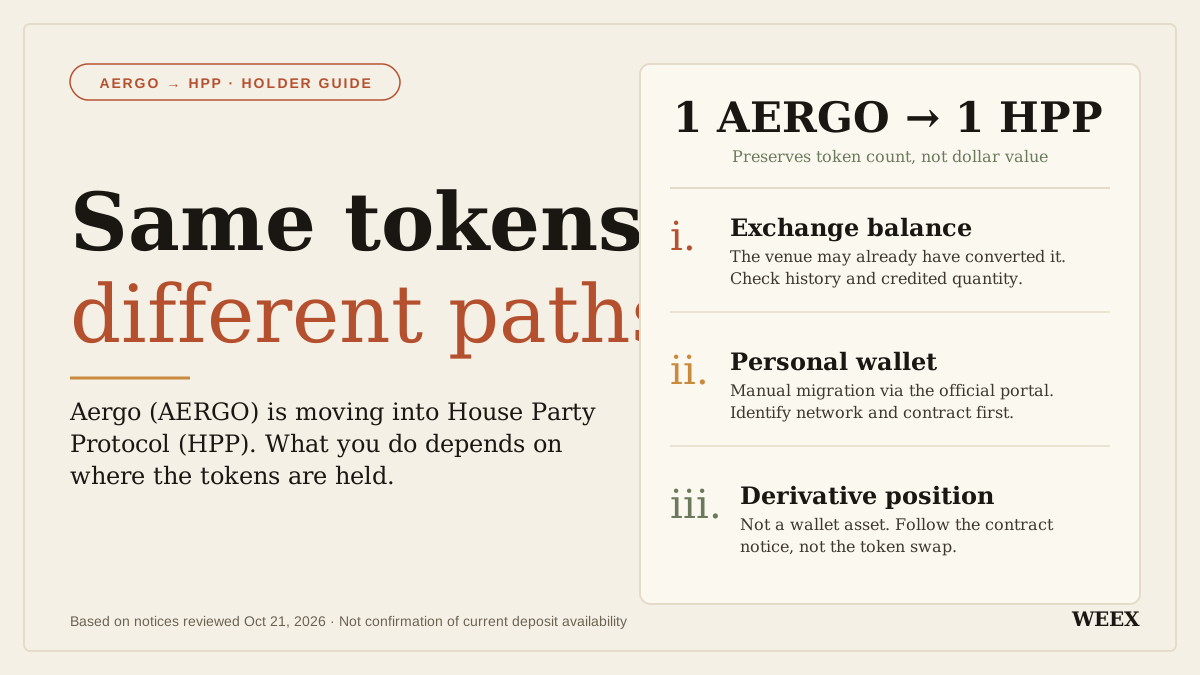
What Happened to Aergo (AERGO) Crypto? Token Migration and What Holders Should Do
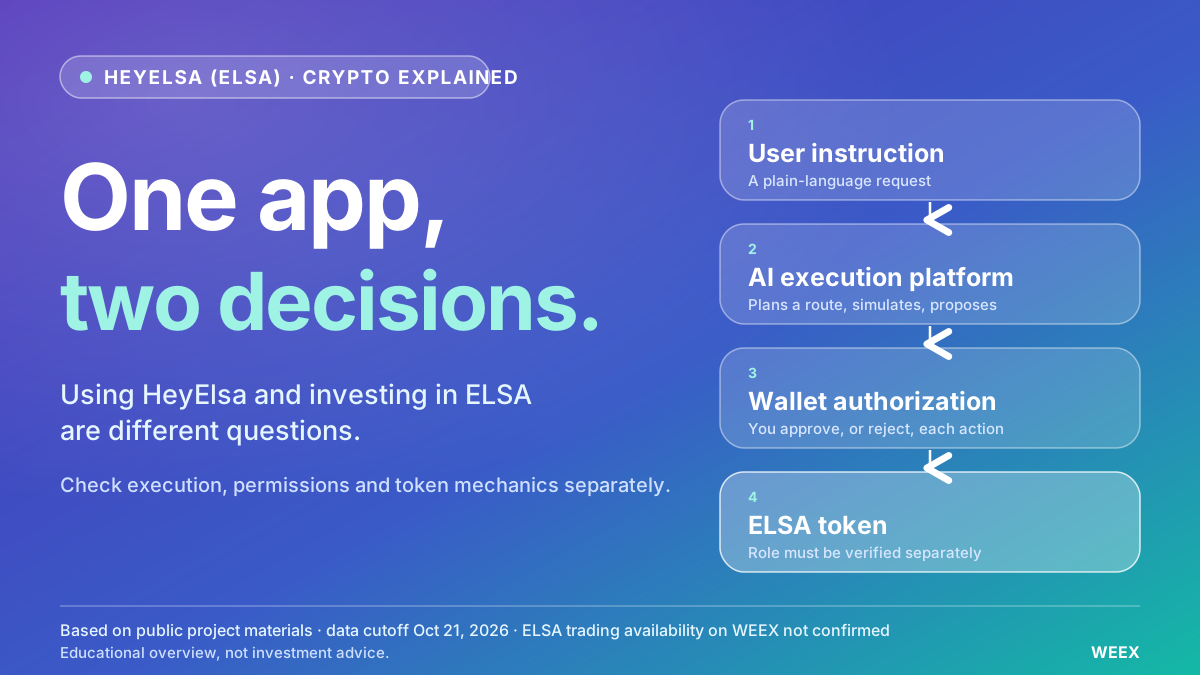
What Is HeyElsa (ELSA) Crypto and How Does It Work?
Stake ETH or Hold USDT on WEEX? The Price Move That Decides It
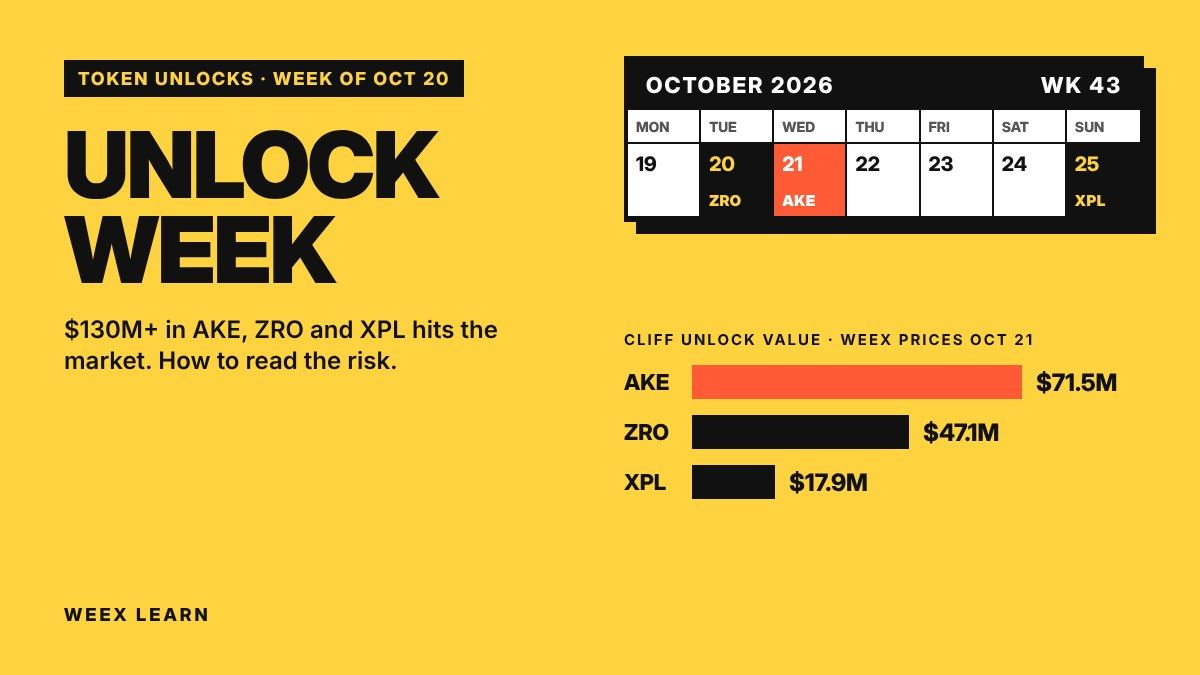
Token Unlocks This Week: How to Read AKE, ZRO and XPL Releases
World ID for Banks: What the New Suite Means for WLD Holders
Solana Alpenglow Upgrade: What Changes When Finality Hits 150ms
How to Use the WEEX Trust Center: Check Reserves, Protection Fund and Official Contacts
INJ Community BuyBack: What the $247K October Pool Really Means
What Is Leverage Trading in Crypto? A Beginner’s Guide With Simple Examples
What Is Crypto Margin Trading? How It Works, How It Differs From Futures and What Can Go Wrong
Crypto Leverage Trading Explained: How Perpetual Futures, Margin and Liquidation Work

Best Crypto Leverage Trading Platform: Things to Compare Before You Choose an Exchange
Nvidia Stock This Week: Why NVDA Fell Then Bounced and What AI Funding Worries Mean for Chip Stocks
Is My Pre-4.26.4 Qubic Wallet Unsafe? Recovery After the Network Restart
WXT Staking When Supply Shrinks: What Burns Add to Your Yield
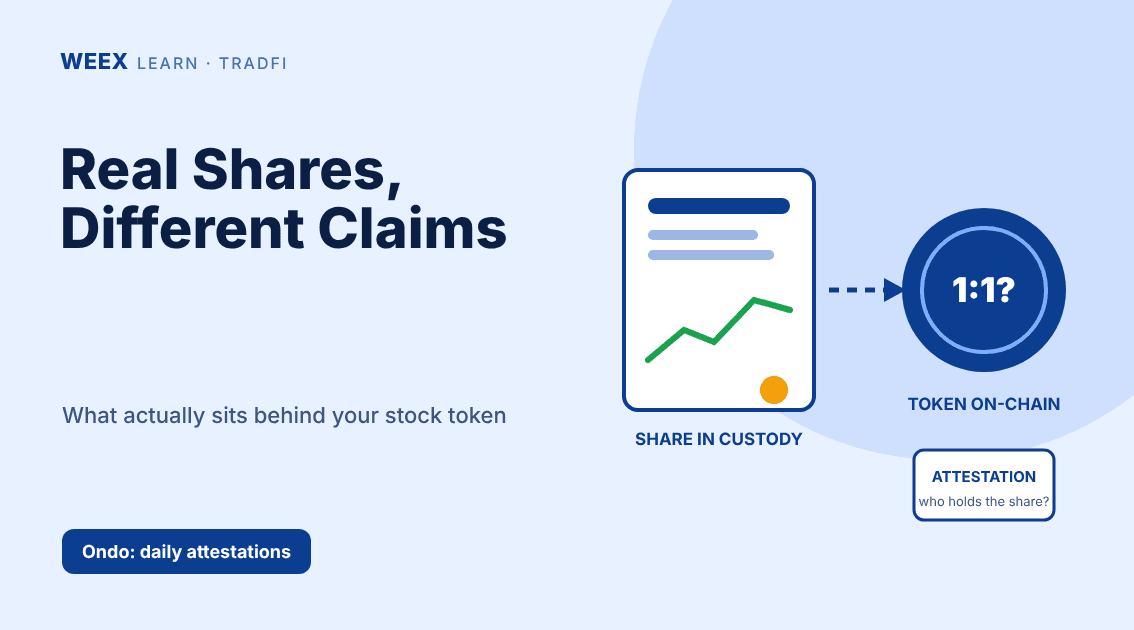
Are Tokenized Stocks Backed by Real Shares? What Holders Own
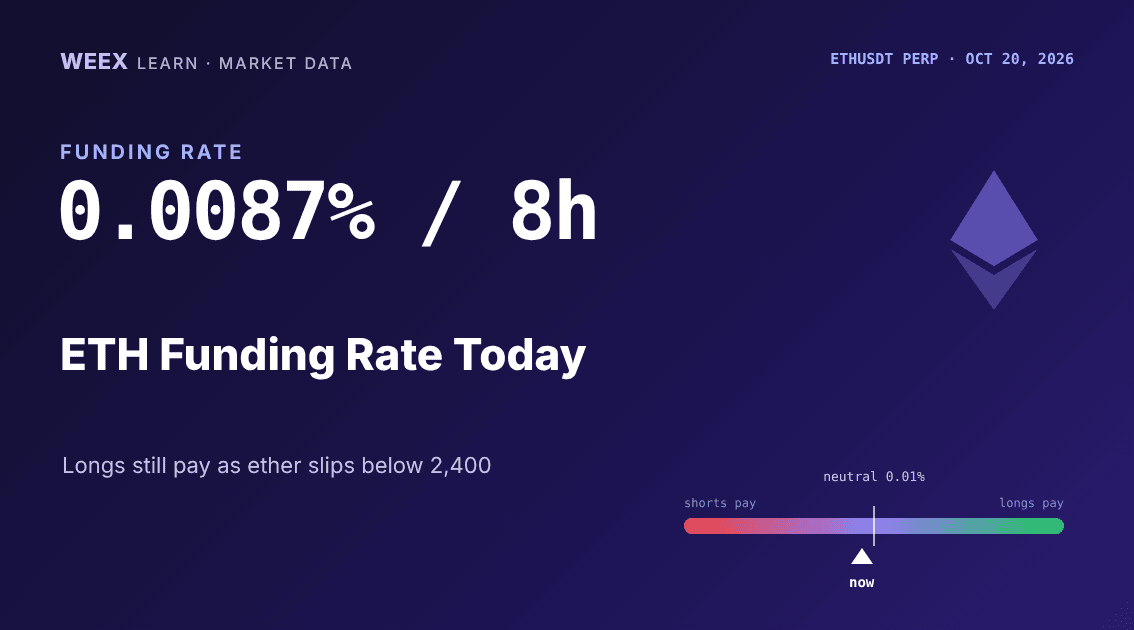
ETH Funding Rate Today: 0.0087% per 8h as Ether Longs Re-Lever
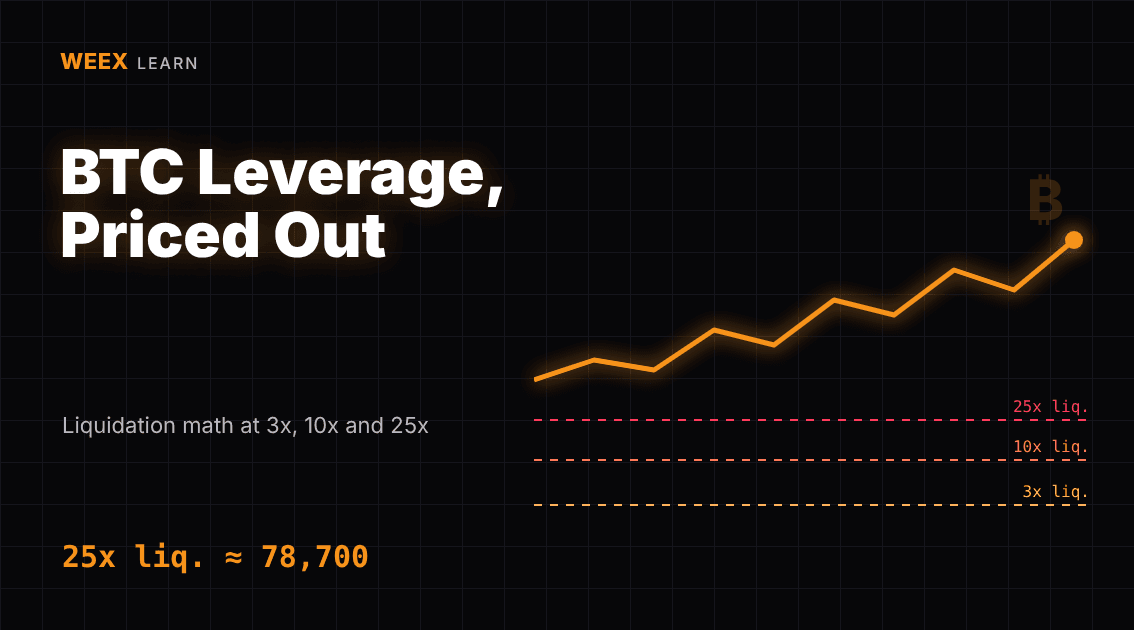
Bitcoin Margin Trading: BTC Liquidation Math at 3x, 10x and 25x
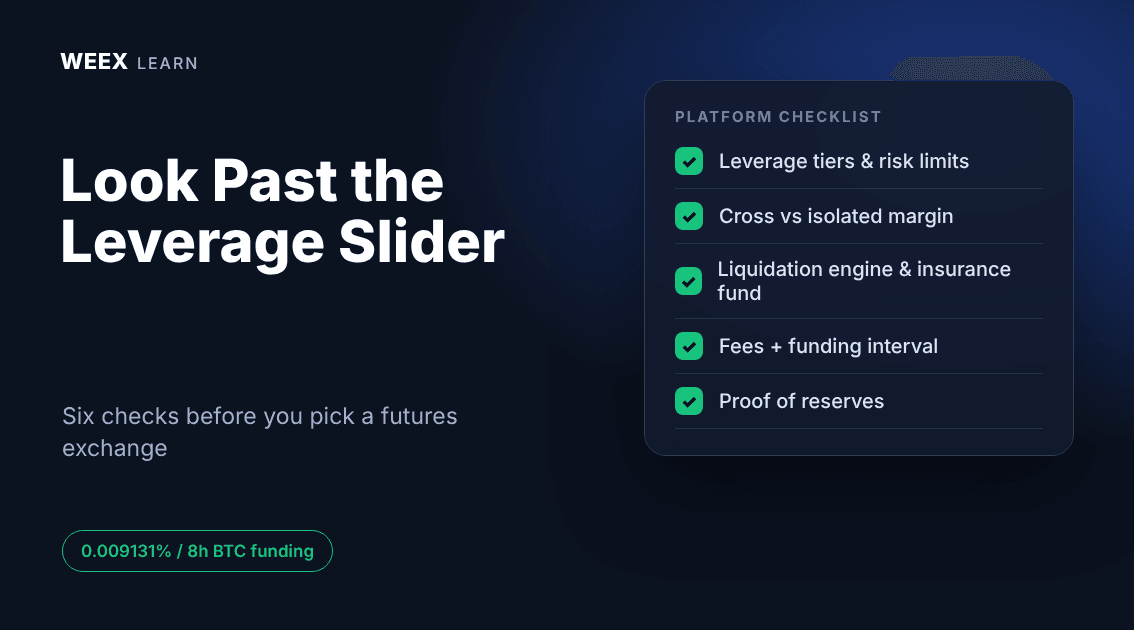
Crypto Leverage Trading Platform: 6 Checks Before You Deposit
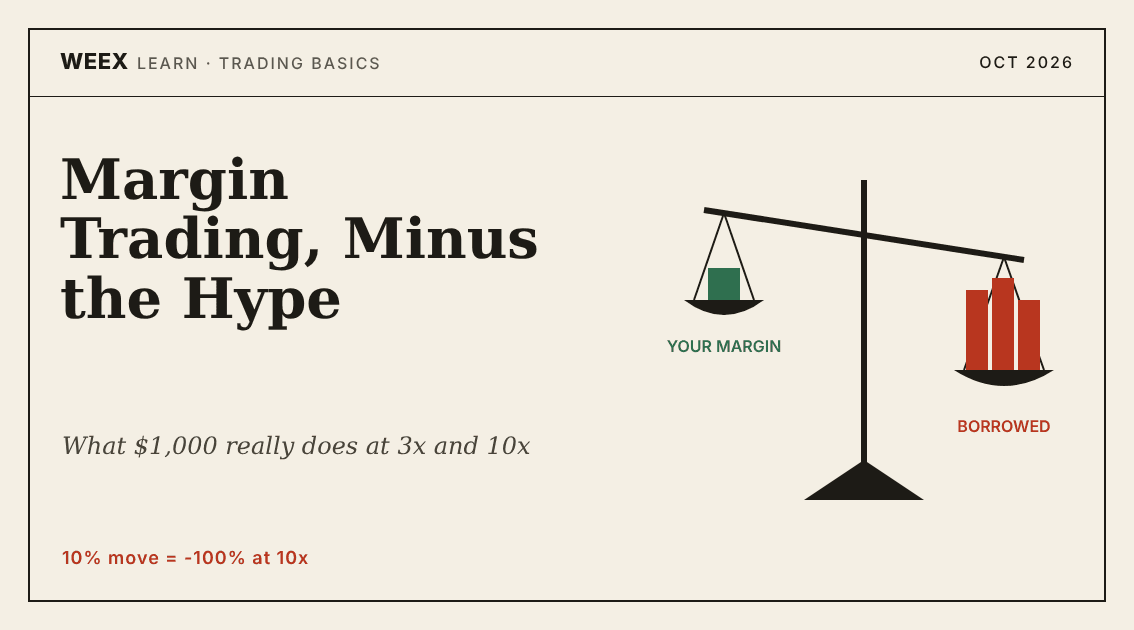
What Is Margin Trading? A $1,000 Example at 3x and 10x Leverage

The 17 October 2026 DBR Unlock: Six Allocations and deBridge's Vesting Schedule
Fake Crypto Payments: What to Check Before Handing Over Goods
What Is Leverage in Trading? How Leverage Ratios Like 5x and 10x Work and What They Do to Your Risk
What Is Leverage Trading? A Beginner’s Guide to Margin, Liquidation and Funding Fees
Is RSI a Good Indicator? How the Relative Strength Index Works, Its Limits and How Traders Use It
CXMT Stock Explained: What Is ChangXin Memory, Why It Fell on October 19 and What to Watch Next
Why Is CoreWeave (CRWV) Stock Falling? Debt, Bond Yields and What Analysts Say
What Is Gno.land (GNOT)? How GnoVM, Storage Deposits, Tokenomics, and GovDAO Work
BTC Funding Rate and Open Interest: What Each One Measures and How to Read Them Together
What Is Pearl (PRL) Crypto and How Does Its Mining Work?
What Happened to Aergo (AERGO) Crypto? Token Migration and What Holders Should Do
What Is HeyElsa (ELSA) Crypto and How Does It Work?
Stake ETH or Hold USDT on WEEX? The Price Move That Decides It
Contents
Popular coins
Latest articles


