
Bitcoin vs Dollar: Is Cryptocurrency the Future of Money?

 Prefer us on Google
In today’s evolving financial landscape, the debate between Bitcoin and the U.S. Dollar goes beyond headlines—it questions the nature of money itself. While the dollar remains a global standard, Bitcoin is increasingly challenging its dominance. Against a backdrop of inflation and growing crypto adoption, many investors are reconsidering where to store value. Is Bitcoin a speculative bubble or the foundation of a new financial system? This comparison examines both assets in terms of investment potential, inflation resistance, and long-term viability to help you assess which may shape the future of finance.
Bitcoin vs. Dollar: An Overview
Bitcoin (BTC) operates as a decentralized digital currency, in stark contrast to the U.S. Dollar (USD), which is a government-issued fiat currency. Bitcoin functions on a peer-to-peer network, whereas the dollar's supply can be expanded at the discretion of the Federal Reserve. A fundamental divergence lies in their monetary policies: Bitcoin’s supply growth rate is predetermined and decreasing (currently below 1% annually), while the U.S. dollar is managed with an annual inflation target of around 2%, leading to a gradual erosion of purchasing power over time.
Key Distinctions:
- Supply and Inflation: Bitcoin’s supply is finite and its issuance rate continually diminishes. The dollar has no supply cap and steadily loses purchasing power due to inflation (historically, the USD has seen a significant loss in value over the past century).
- Value Volatility: Bitcoin’s price is characterized by high volatility, capable of experiencing drastic shifts within days. The dollar, while stable in nominal terms in the short term, experiences a slow decline in real value during inflationary periods.
- Adoption: The USD serves as legal tender and is universally accepted. Bitcoin, while not official legal tender in most nations, is held by millions as an investment and is recognized as a reserve asset by some governments.
Investment Performance: Bitcoin vs. Dollar
From an investment perspective, Bitcoin's returns have significantly surpassed those of the dollar. As of May 2025, Bitcoin's trading price was around $110,000 – marking a record high. Such growth is unprecedented for fiat currency; simply holding dollars cannot yield comparable returns.
Naturally, high rewards are accompanied by high risks. Bitcoin's history is punctuated by extreme price fluctuations. Following its peak near $69,000 in late 2021, BTC experienced a decline of over 70% during the 2022 bear market. These significant swings can profoundly impact an investor's portfolio. In contrast, the dollar does not exhibit this level of volatility – $1 nominally remains $1. However, holding cash over the long term will inevitably devalue wealth due to inflation.
Dollars can also generate interest, which helps to mitigate inflation's impact. Bitcoin, on the other hand, does not pay interest or dividends; any "yield" is derived solely from price appreciation. In essence, Bitcoin is a high-risk, high-reward asset, whereas holding dollars is low-risk but guarantees a slow erosion of real value unless invested.
Inflation and Store of Value
Bitcoin's inherent design positions it as a compelling potential store of value in an inflationary economic climate. With its fixed supply and immutable monetary policy, Bitcoin is frequently advocated as a hedge against currency debasement. In 2025, Bitcoin's annual supply inflation rate is below 1% – considerably lower than the dollar's inflation rate. (U.S. CPI inflation in early 2025 stands at approximately 2.3%, a decrease from its 9.1% peak in 2022.) Over extended periods, persistent inflation means the dollar inevitably depreciates in value – over the past century, the USD has lost nearly all of its 1913 purchasing power. Conversely, Bitcoin cannot be devalued through monetary expansion. This scarcity is why proponents often refer to Bitcoin as "digital gold."
When investors harbor concerns about inflation or the stability of fiat currencies, many turn to Bitcoin as an alternative safe haven. Analysts in 2025 observed that Bitcoin's fixed scarcity had become "more valuable than ever" amidst persistent inflation fears, and a weakening U.S. dollar often correlated with Bitcoin's strength as some investors reallocated capital from dollars into crypto.
To be fair, Bitcoin does not serve as a perfect inflation hedge in the short term – critics point out that during the 2022 inflation surge, Bitcoin's price declined rather than increased. Nevertheless, over longer durations, its gains have substantially outpaced inflation, indicating that Bitcoin can preserve and even enhance value in ways that fiat money cannot.
-- Price
The Future: Cryptocurrency vs. Fiat Money
Looking ahead, it is probable that cryptocurrency and fiat currencies will coexist rather than one completely supplanting the other. Bitcoin has solidified its status as a legitimate asset class. Even governmental bodies are recognizing its significance – for instance, the U.S. government established a Bitcoin reserve in 2025, signaling that crypto is poised to play an increasing role as a store of value.
That said, traditional fiat currencies like the dollar are not disappearing. The dollar remains indispensable for commerce, taxation, and maintaining day-to-day economic stability. In the near future, we will likely witness parallel usage: dollars for everyday transactions and Bitcoin serving as a form of digital gold or an alternative financial network.
Conclusion
The debate between Bitcoin vs. the Dollar is no longer solely a matter of preference; it reflects a broader evolution in how we conceptualize value, trust, and control within the financial world. While the U.S. Dollar maintains its essential role in global commerce and daily transactions, Bitcoin has demonstrably proven its strength as a decentralized, deflationary asset with the capacity to preserve wealth during periods of economic uncertainty.
For cryptocurrency investors, the pertinent question is not whether Bitcoin will replace the dollar, but rather how both assets can be integrated within a diversified strategy. As adoption expands and institutional interest solidifies, Bitcoin is transitioning from a speculative asset to a credible cornerstone of modern finance. While the future may not be entirely crypto-dominated, it will almost certainly encompass it.
Further Reading
- How to Trade Bitcoin Futures on WEEX?
- What Is Bitcoin Dominance and How To Use It?
- The Complete Bitcoin History: Timeline of Its Evolution
- If You Invested $1,000 in Bitcoin 10 years ago, Here’s How Much You’d Have Now
Disclaimer: The opinions expressed in this article are for informational purposes only. This article does not constitute an endorsement of any of the products and services discussed or investment, financial, or trading advice. Qualified professionals should be consulted prior to making financial decisions.
This content is provided for general informational purposes only and doesn't constitute financial, investment, legal, or tax advice. Any events, rewards, online promotions, or related information mentioned herein should not be considered a recommendation, solicitation, or invitation to purchase, sell, trade, or otherwise deal in any crypto assets. Crypto assets are highly volatile and may result in loss. The availability of WEEX services, products, and related events may vary by region. You are responsible for ensuring that your participation is in accordance with applicable local laws and regulations.
You may also like
BTC Funding Rate and Open Interest: What Each One Measures and How to Read Them Together
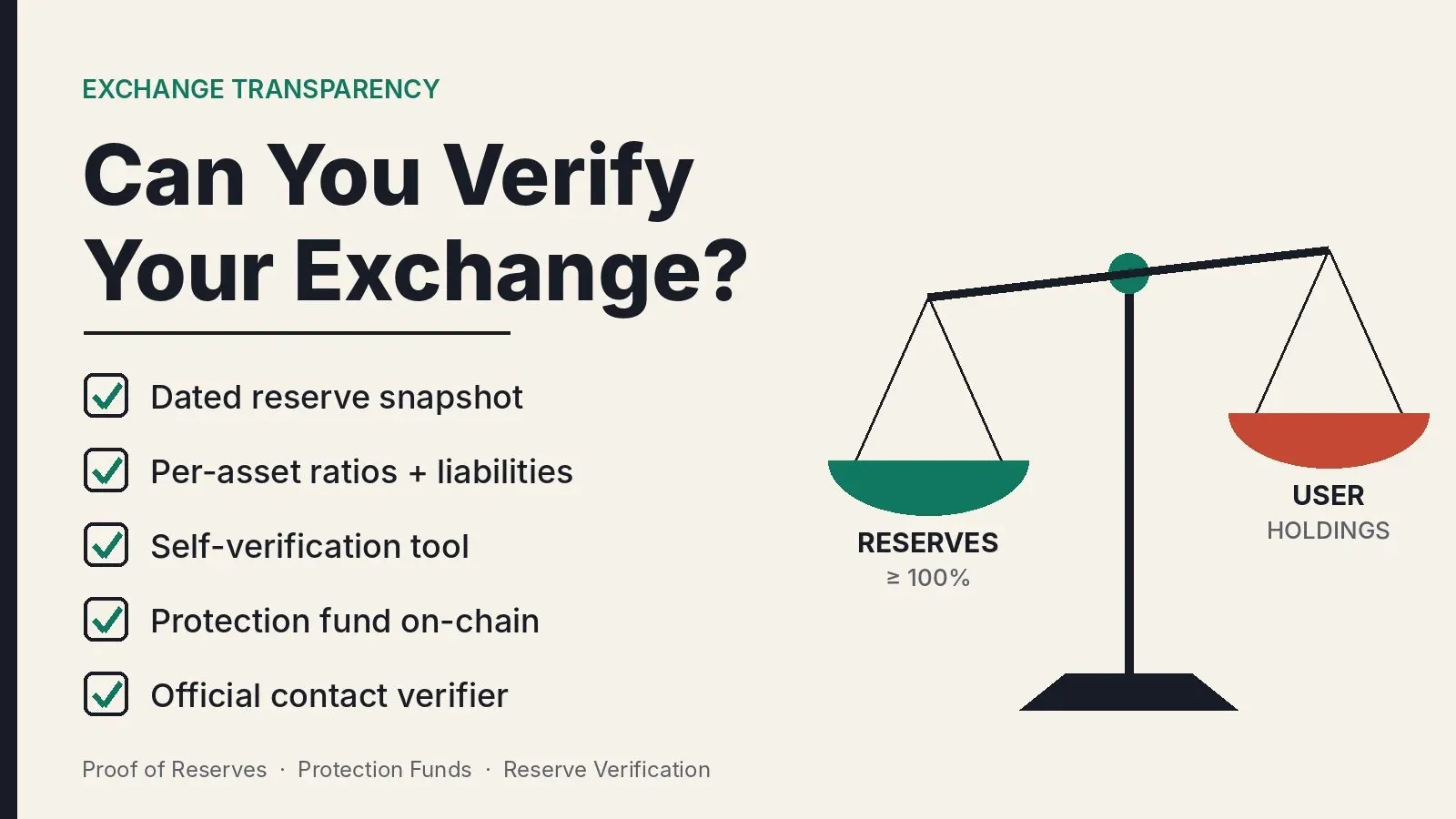
How Transparent Is a Crypto Exchange? Checking Proof of Reserves and Protection Funds
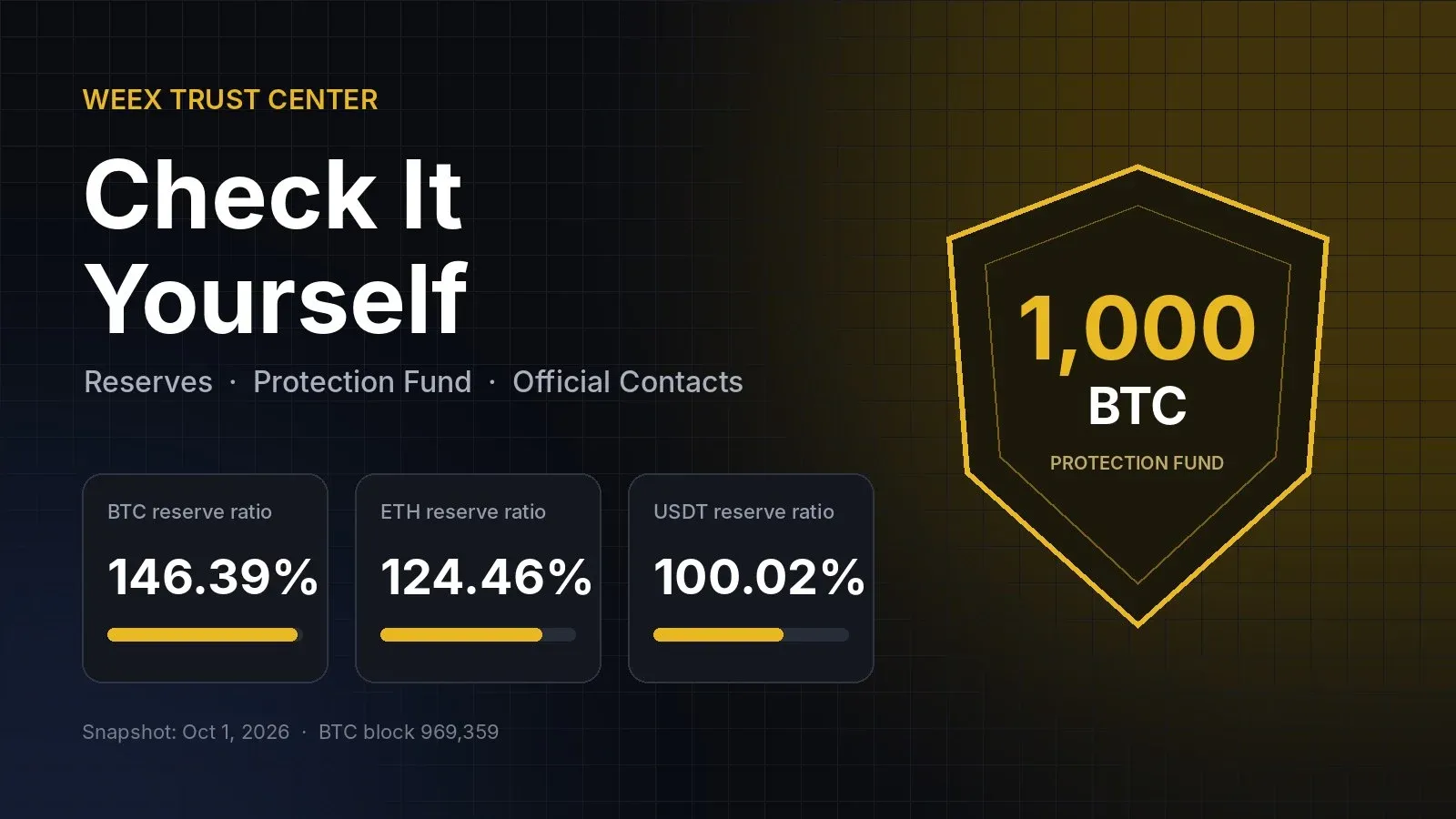
How to Use the WEEX Trust Center: Check Reserves, Protection Fund and Official Contacts
Crypto Leverage Trading Explained: How Perpetual Futures, Margin and Liquidation Work
Bitcoin Margin Trading: BTC Liquidation Math at 3x, 10x and 25x

Crypto Leverage Trading Platform: 6 Checks Before You Deposit
What Is Margin Trading? A $1,000 Example at 3x and 10x Leverage
How to Day Trade Crypto for Beginners: The Math Behind One Trade

Trading Psychology for Beginners: Crypto Traps and Hard Rules
What Is a Bitcoin ETF? How Creation, Custody and Fees Work

What Is Blockchain and How Does It Work? One Transaction, Traced
WEEX Convert Fees: What Zero-Fee Conversion Really Costs You

WEEX Convert Quote: How the 8-Second Price Lock Really Works
WEEX Convert Limits: Minimum and Maximum Amounts Explained
How to Check a WEEX Convert Order: History, Rate and Status
USDC Significant EMT Status in the EU: What Changes on November 12 Under MiCA
Walrus (WAL) Jumps 30%: Sui Storage Token Rallies on AI Data
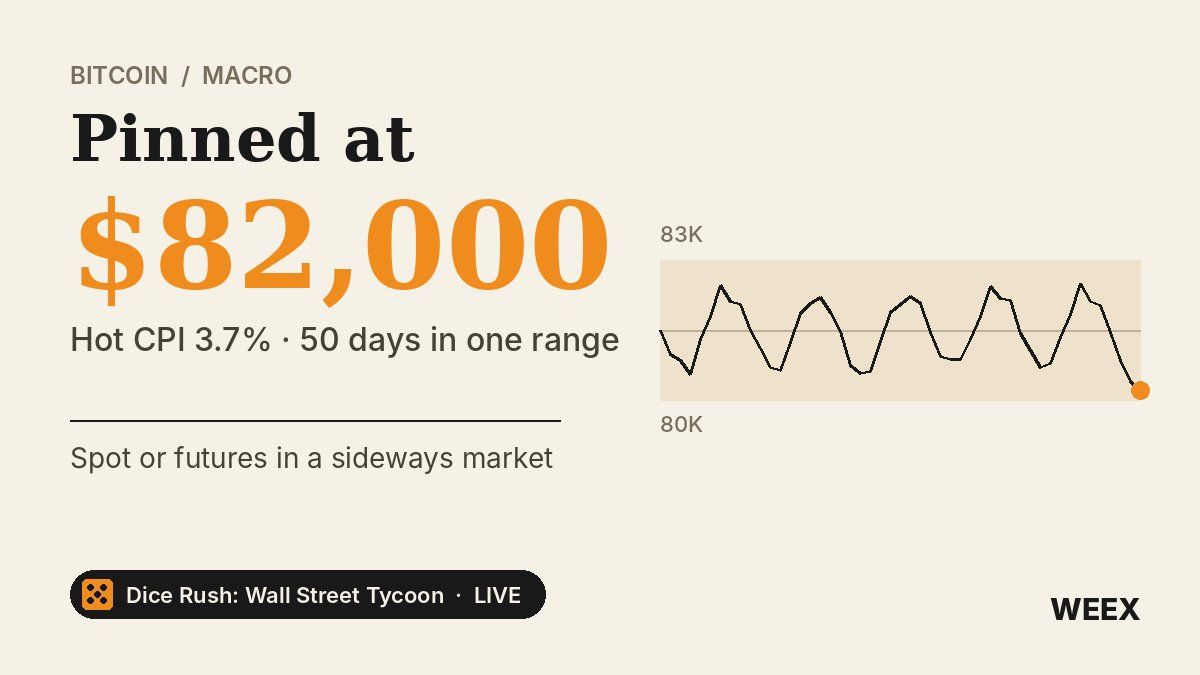
Bitcoin Price After Hot CPI: Why BTC Is Pinned Near $82,000
What Is a Limit Order? How It Works and When to Use It
Best Crypto Miner for Beginners: What to Check on Cost, Power, Hashprice and Profit Before You Buy

Limit Order vs Market Order: Which One to Use When Trading Crypto
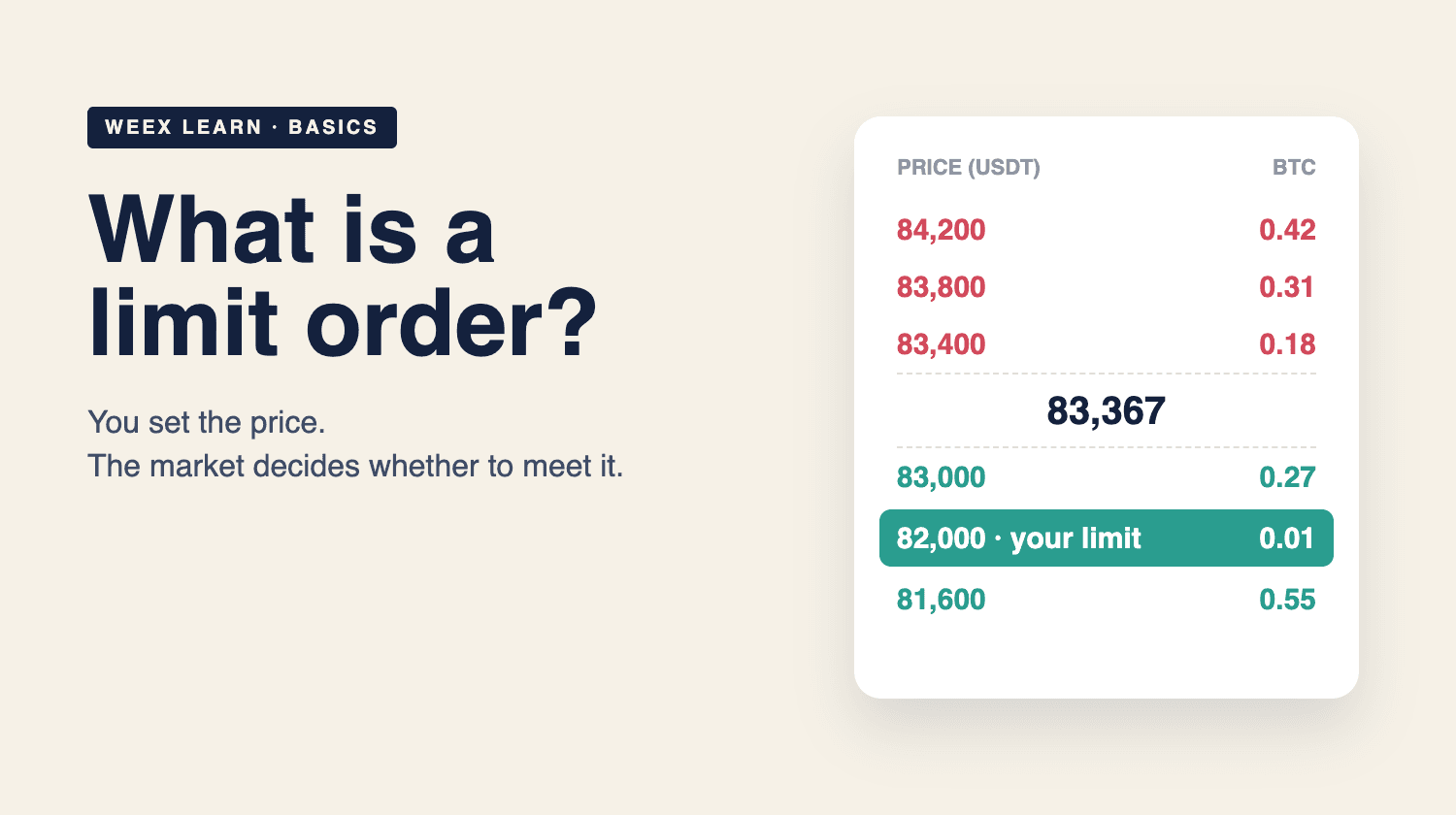
What Is a Limit Order? How It Works in Crypto With BTC Examples
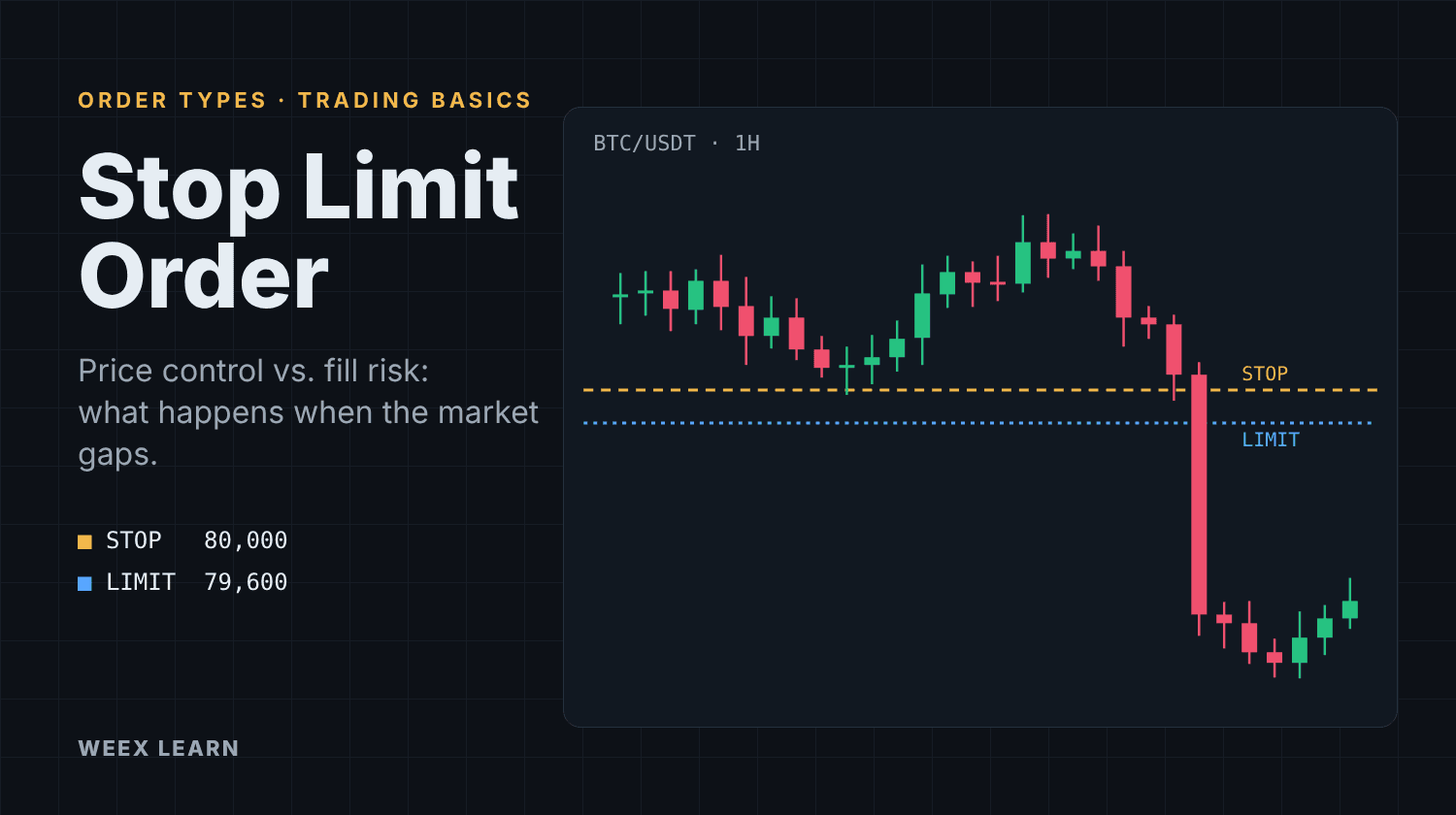
Stop Limit Order: How It Works and Why It Can Fail to Fill
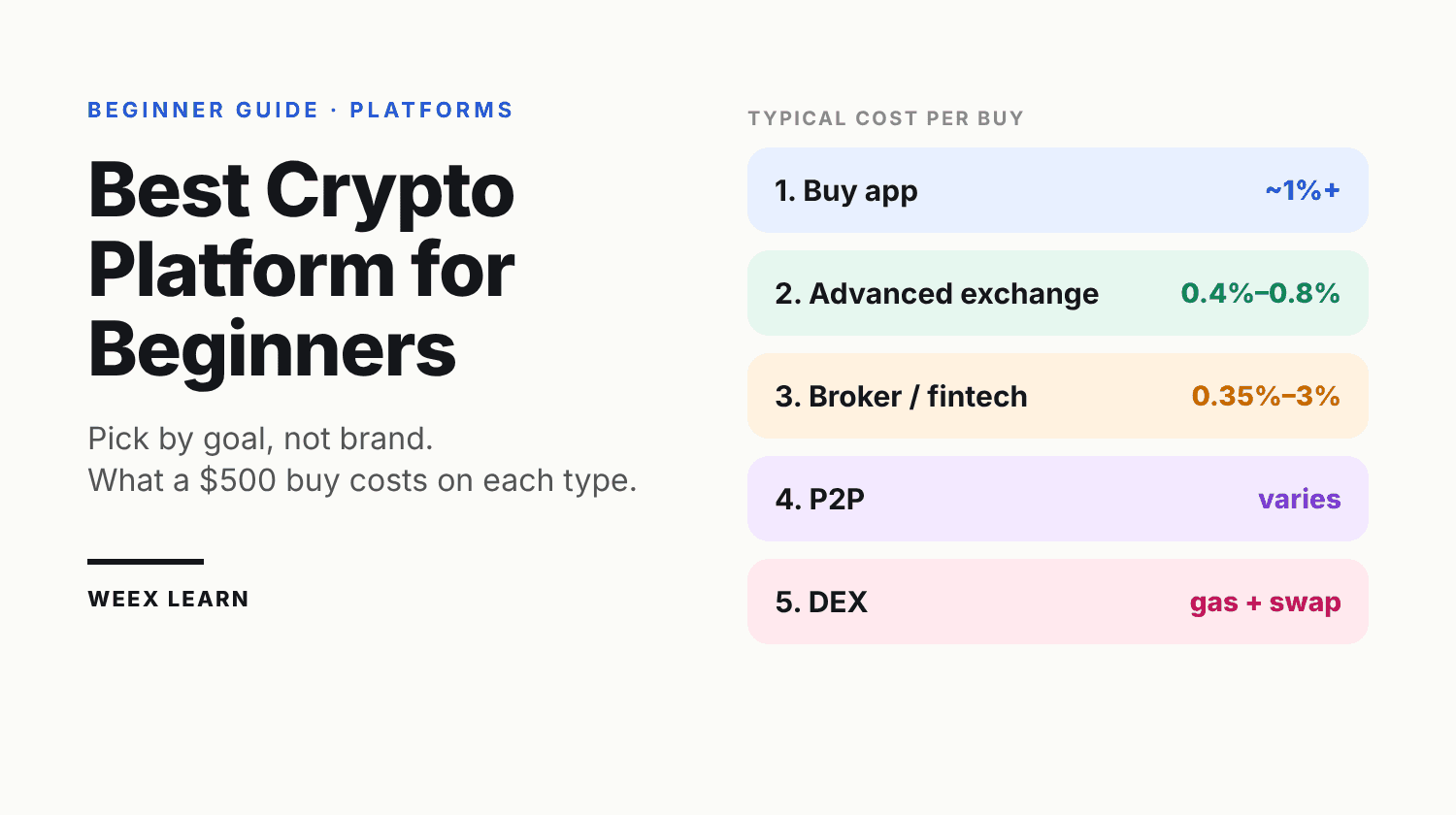
Best Crypto Platform for Beginners: Pick by Goal, Not Brand

Best Crypto Podcasts for Beginners: A 4-Week Listening Plan
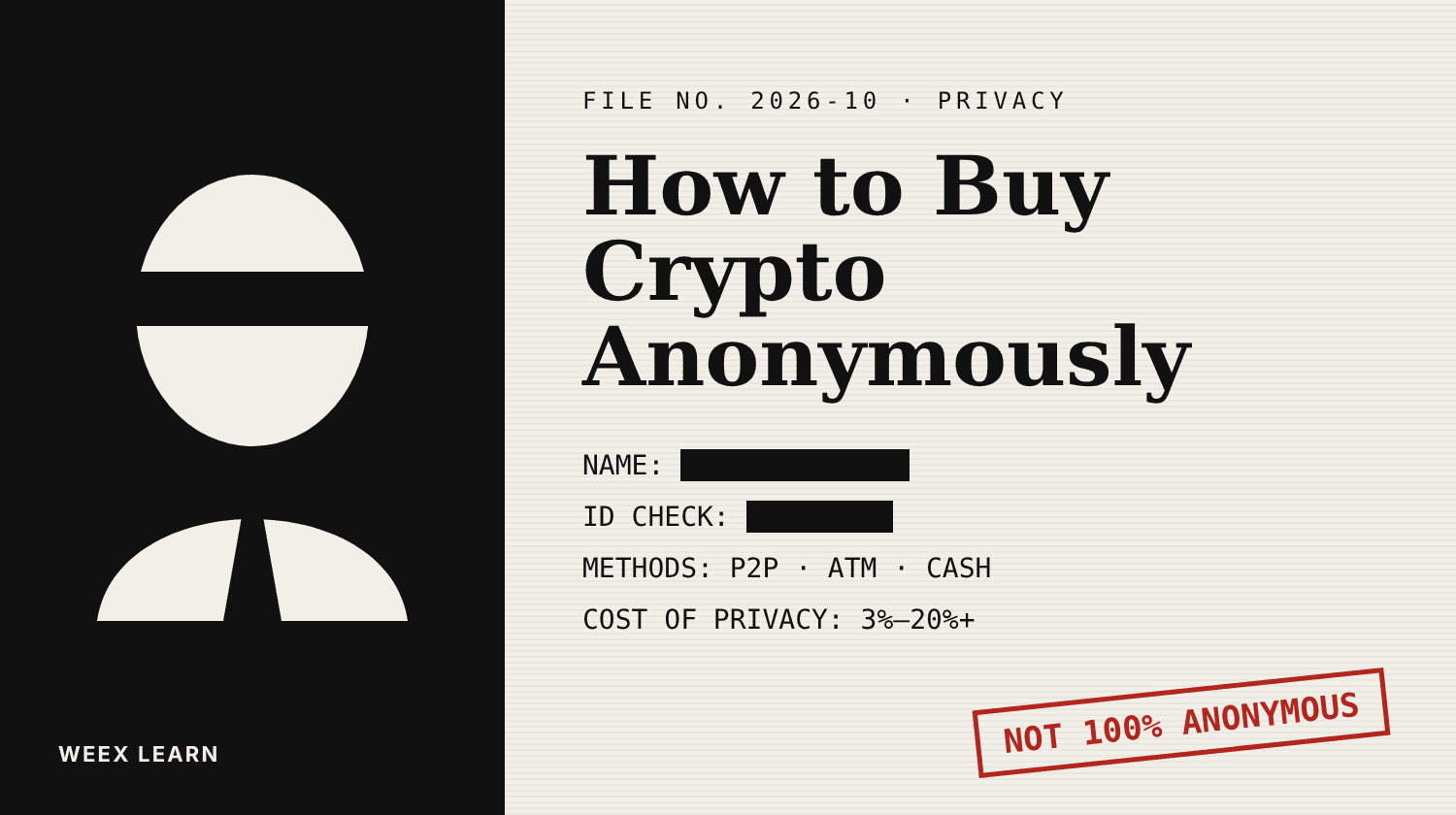
How to Buy Crypto Anonymously: 5 Methods, Real Costs and Limits
Will Bitcoin Break $87,000 This Week? CPI, Fed Speakers and ETF Outflows to Watch
Conflux (CFX) Price Jumps on China's National Blockchain Network Plan: Does the Policy Actually Name CFX?
BTC Futures Analysis: $80K Held, but Longs Are Still Paying Up
ETH Futures: Why Ether Is Falling Faster Than Bitcoin This Week
BTC Funding Rate and Open Interest: What Each One Measures and How to Read Them Together
How Transparent Is a Crypto Exchange? Checking Proof of Reserves and Protection Funds
How to Use the WEEX Trust Center: Check Reserves, Protection Fund and Official Contacts
Crypto Leverage Trading Explained: How Perpetual Futures, Margin and Liquidation Work
Bitcoin Margin Trading: BTC Liquidation Math at 3x, 10x and 25x
Crypto Leverage Trading Platform: 6 Checks Before You Deposit


