
Why Does Bitcoin Have Value?

 Prefer us on Google
Many newcomers to cryptocurrency struggle with understanding how digital assets like Bitcoin derive their value. Unlike traditional assets, Bitcoin has no physical form and isn't backed by any government or commodity. However, when we examine the nature of value itself, we find that Bitcoin shares fundamental characteristics with traditional forms of money while introducing revolutionary improvements.
Why Does Money Have Value?
At its core, any form of money derives its value from collective trust and acceptance within a society. Throughout history, various objects have served as money - from seashells and precious metals to paper currency. The common thread is that communities agree to accept these items as payment for goods and services.
Fiat currency, the money we use today, demonstrates this principle clearly. After the abandonment of the gold standard, government-issued currency maintains its value through:
- Government backing and legal tender status
- Public trust in monetary authorities
- Controlled supply through central bank policies
However, this system has vulnerabilities, as seen in cases of hyperinflation where trust in government management erodes.
Why Does Bitcoin Have Value?
Bitcoin introduces a new paradigm for value storage and transfer, built upon several key characteristics:
Utility and Functionality
Bitcoin enables rapid, borderless value transfer without intermediaries. While small transactions may incur noticeable fees, the network efficiently handles large transfers - millions of dollars can move globally for minimal costs. The Lightning Network further enhances Bitcoin's utility for smaller, everyday transactions.
Decentralized Architecture
Unlike traditional financial systems, Bitcoin operates without central authorities. The network's open-source nature allows global participation in its development and maintenance. This decentralization ensures that no single entity can control or manipulate the system, while the predictable, transparent monetary policy prevents arbitrary inflation.
Distributed Security
The Bitcoin network's distributed nature across thousands of nodes worldwide creates unprecedented security and reliability. This architecture eliminates single points of failure and makes the system resistant to attacks or outages that commonly affect centralized financial infrastructure.
Trust Through Technology
Bitcoin solves the "Byzantine Generals Problem" through its Proof of Work consensus mechanism, enabling trustless cooperation among participants. Users don't need to trust each other or any central institution - they only need to trust the mathematically proven technology, which operates transparently for anyone to verify.
Digital Scarcity
With a fixed supply cap of 21 million coins, Bitcoin introduces absolute scarcity to the digital realm. This predictable, diminishing issuance schedule contrasts sharply with fiat currencies, which central banks can inflate arbitrarily. The decreasing supply of new Bitcoins creates inherent scarcity value.
Robust Security
Bitcoin's security model protects both the network and individual users' assets. The massive computational power required to attack the network makes successful assaults practically impossible. For individual users, proper private key management provides security that often exceeds traditional banking safeguards.
Is Bitcoin a Store of Value
Bitcoin demonstrates all the characteristics of an effective store of value:
- Durability: As a digital asset, Bitcoin cannot physically deteriorate and persists as long as the network exists
- Portability: Private keys enable instant global access to Bitcoin holdings
- Divisibility: Each Bitcoin divides into 100 million satoshis, accommodating transactions of any size
- Fungibility: Each unit is interchangeable and recognized globally
- Scarcity: The fixed supply creates inherent scarcity
- Acceptability: Growing global acceptance as a payment method
-- Price
Conclusion
Bitcoin's value stems from its unique combination of technological innovation and monetary properties. It functions as digital money without government backing while maintaining scarcity typically associated with commodities. The network effect, combined with its proven security and growing adoption, creates a compelling value proposition that continues to attract users, investors, and developers worldwide.
While Bitcoin doesn't fit neatly into traditional asset categories, its multifaceted nature - combining aspects of money, commodity, and technology - represents a new paradigm in value storage and transfer for the digital age.
Ready to explore Bitcoin for yourself? Start your journey by purchasing your first Bitcoin securely on WEEX, where intuitive tools and a user-friendly interface make entering the crypto space seamless for beginners.
Further Reading
- How to Trade Bitcoin Futures on WEEX?
- What Is Bitcoin and How Does It Work?
- How to Trade Crypto Responsibly?
Disclaimer: The opinions expressed in this article are for informational purposes only. This article does not constitute an endorsement of any of the products and services discussed or investment, financial, or trading advice. Qualified professionals should be consulted prior to making financial decisions.
This content is provided for general informational purposes only and doesn't constitute financial, investment, legal, or tax advice. Any events, rewards, online promotions, or related information mentioned herein should not be considered a recommendation, solicitation, or invitation to purchase, sell, trade, or otherwise deal in any crypto assets. Crypto assets are highly volatile and may result in loss. The availability of WEEX services, products, and related events may vary by region. You are responsible for ensuring that your participation is in accordance with applicable local laws and regulations.
You may also like
BTC Funding Rate and Open Interest: What Each One Measures and How to Read Them Together
How Transparent Is a Crypto Exchange? Checking Proof of Reserves and Protection Funds
How to Use the WEEX Trust Center: Check Reserves, Protection Fund and Official Contacts
Crypto Leverage Trading Explained: How Perpetual Futures, Margin and Liquidation Work
Bitcoin Margin Trading: BTC Liquidation Math at 3x, 10x and 25x

Crypto Leverage Trading Platform: 6 Checks Before You Deposit
What Is Margin Trading? A $1,000 Example at 3x and 10x Leverage
How to Day Trade Crypto for Beginners: The Math Behind One Trade

Trading Psychology for Beginners: Crypto Traps and Hard Rules
What Is a Bitcoin ETF? How Creation, Custody and Fees Work

What Is Blockchain and How Does It Work? One Transaction, Traced
WEEX Convert Fees: What Zero-Fee Conversion Really Costs You

WEEX Convert Quote: How the 8-Second Price Lock Really Works
WEEX Convert Limits: Minimum and Maximum Amounts Explained
How to Check a WEEX Convert Order: History, Rate and Status
USDC Significant EMT Status in the EU: What Changes on November 12 Under MiCA
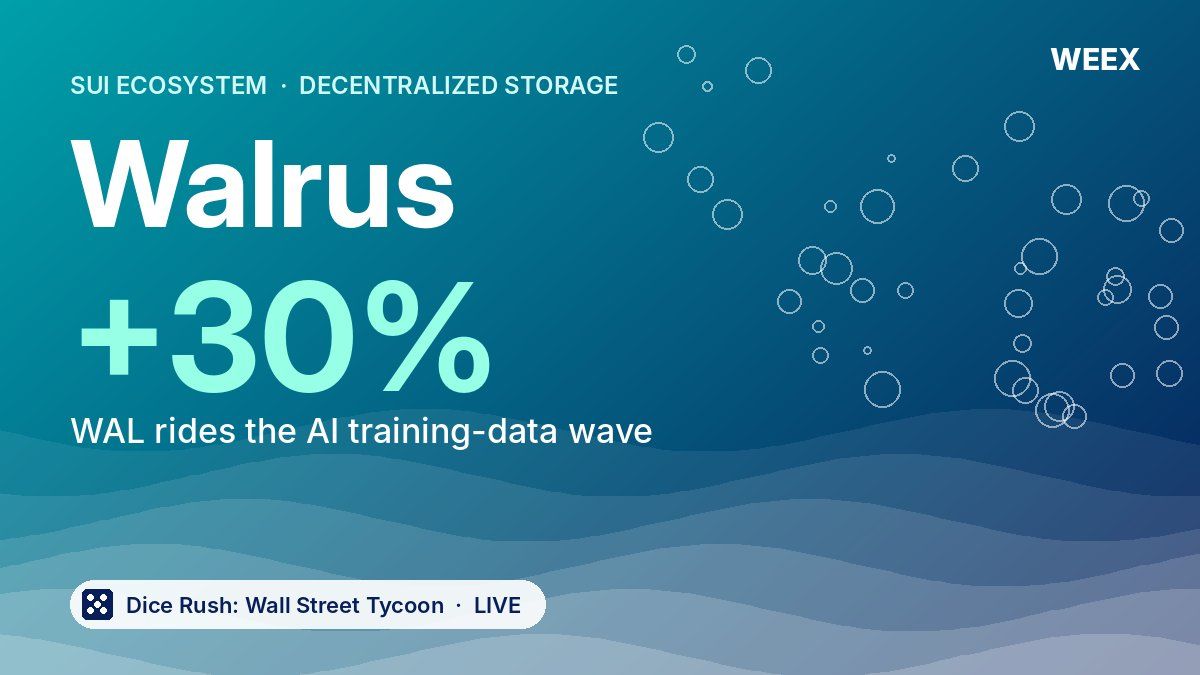
Walrus (WAL) Jumps 30%: Sui Storage Token Rallies on AI Data
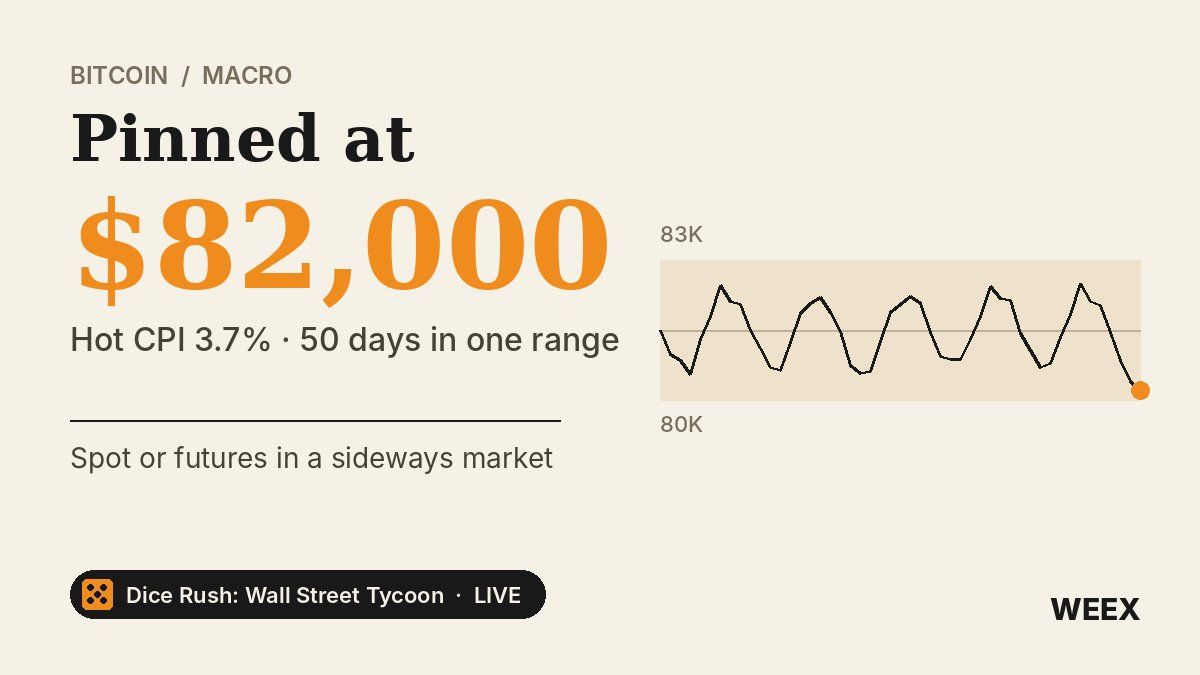
Bitcoin Price After Hot CPI: Why BTC Is Pinned Near $82,000
What Is a Limit Order? How It Works and When to Use It

Best Crypto Miner for Beginners: What to Check on Cost, Power, Hashprice and Profit Before You Buy

Limit Order vs Market Order: Which One to Use When Trading Crypto
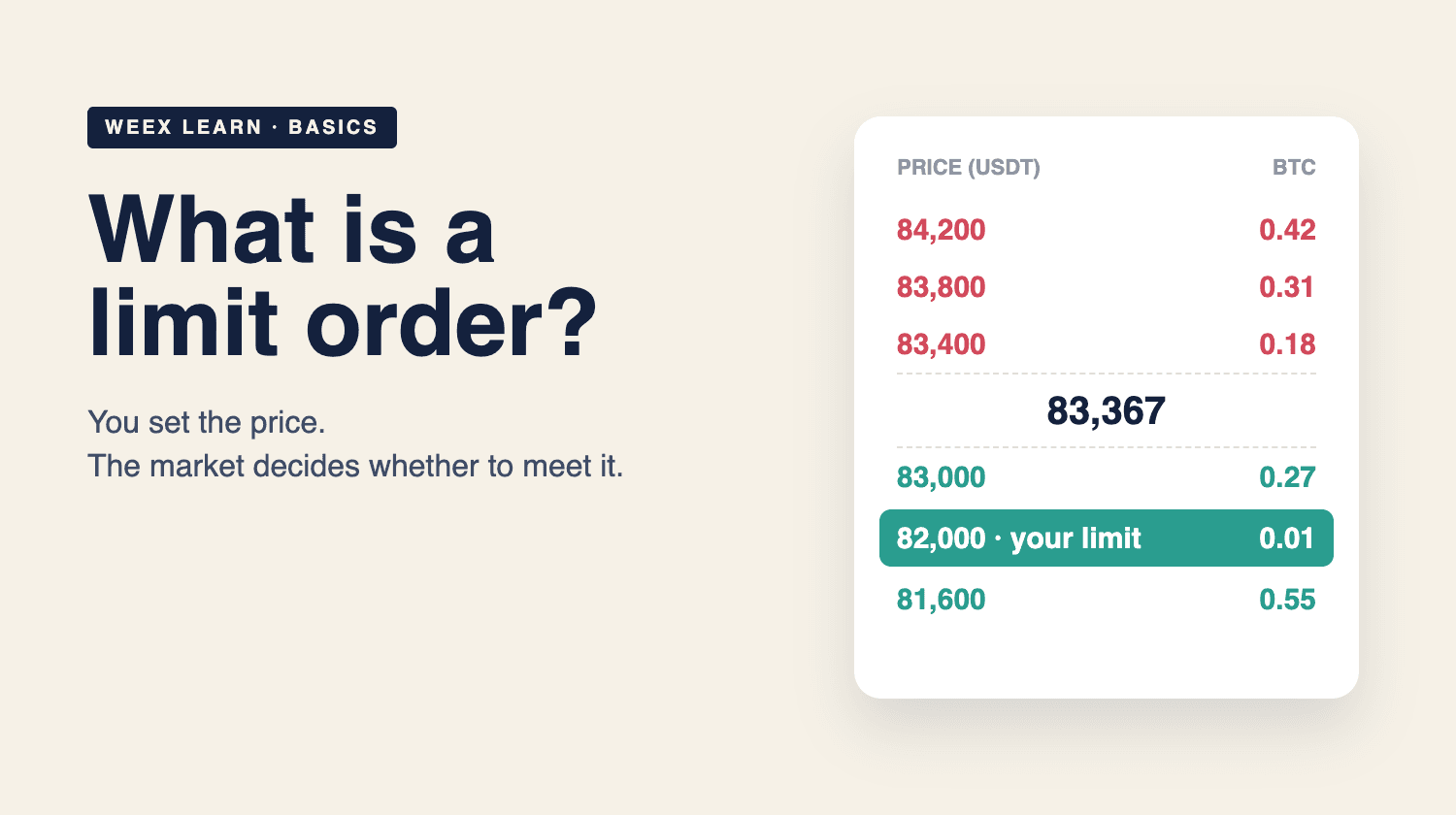
What Is a Limit Order? How It Works in Crypto With BTC Examples
Stop Limit Order: How It Works and Why It Can Fail to Fill
Best Crypto Platform for Beginners: Pick by Goal, Not Brand

Best Crypto Podcasts for Beginners: A 4-Week Listening Plan
How to Buy Crypto Anonymously: 5 Methods, Real Costs and Limits
Will Bitcoin Break $87,000 This Week? CPI, Fed Speakers and ETF Outflows to Watch

Conflux (CFX) Price Jumps on China's National Blockchain Network Plan: Does the Policy Actually Name CFX?
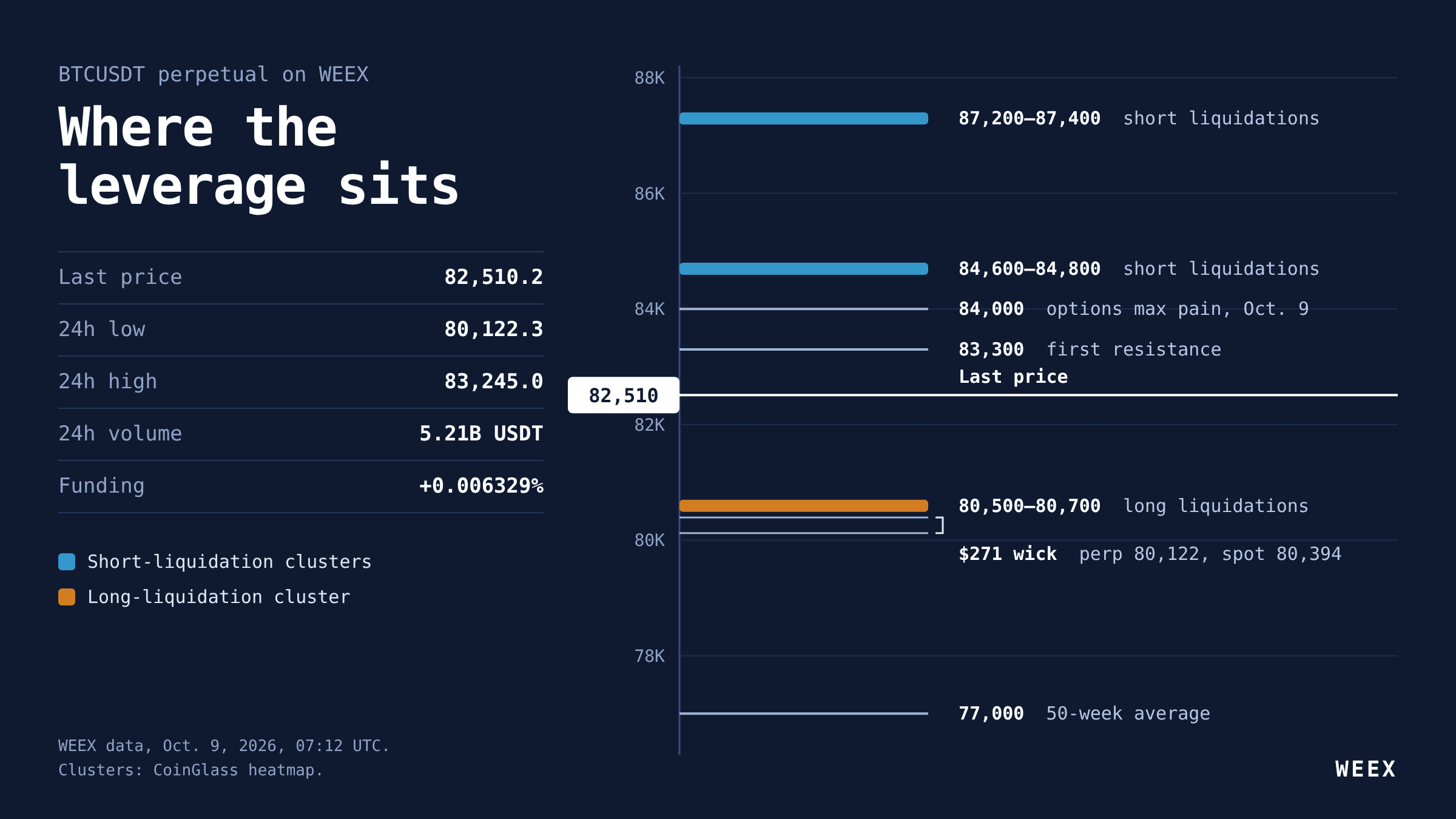
BTC Futures Analysis: $80K Held, but Longs Are Still Paying Up
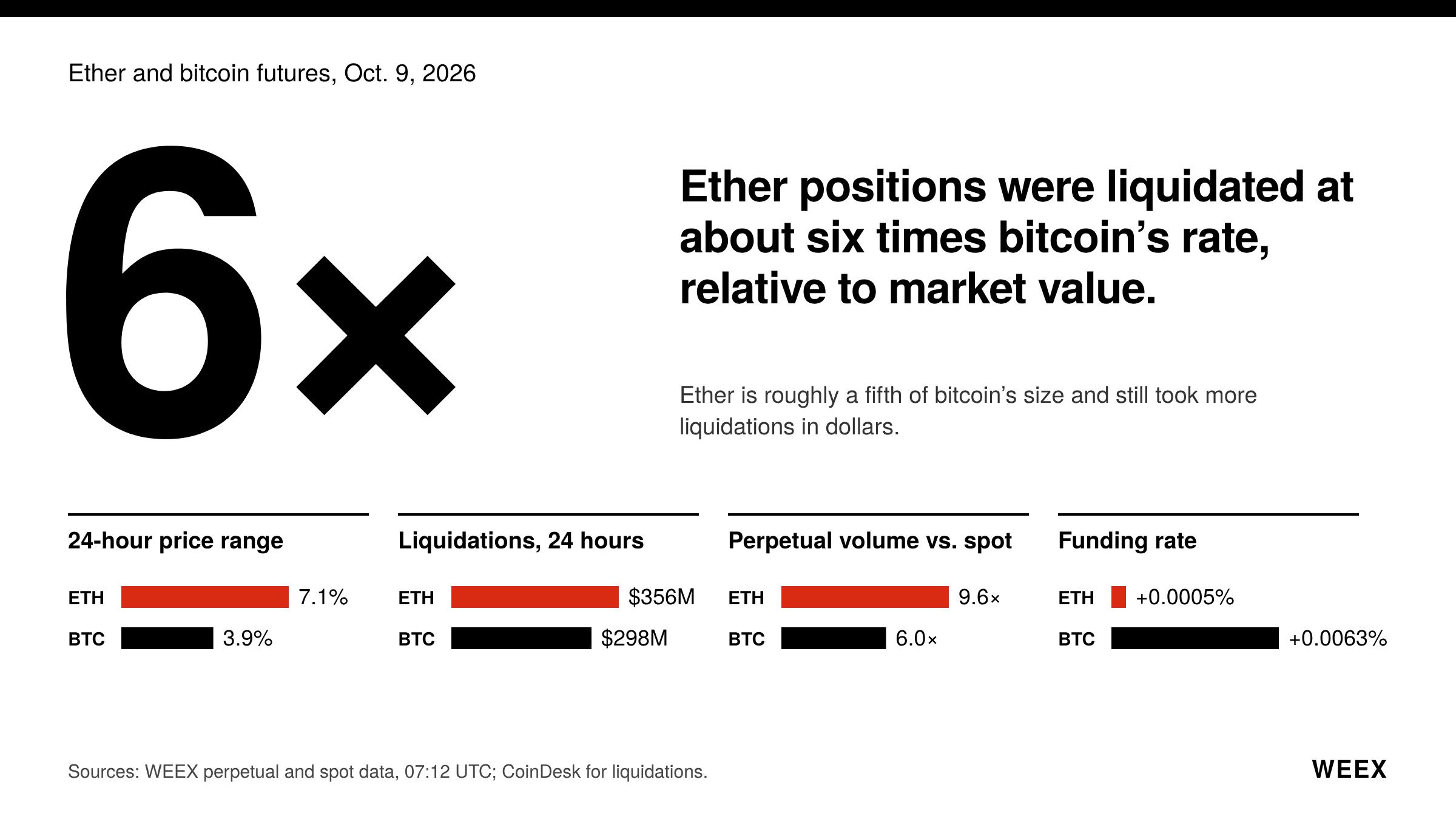
ETH Futures: Why Ether Is Falling Faster Than Bitcoin This Week
BTC Funding Rate and Open Interest: What Each One Measures and How to Read Them Together
How Transparent Is a Crypto Exchange? Checking Proof of Reserves and Protection Funds
How to Use the WEEX Trust Center: Check Reserves, Protection Fund and Official Contacts
Crypto Leverage Trading Explained: How Perpetual Futures, Margin and Liquidation Work
Bitcoin Margin Trading: BTC Liquidation Math at 3x, 10x and 25x
Crypto Leverage Trading Platform: 6 Checks Before You Deposit


