
Cardano (ADA) Price Prediction: It's the Right Time to Buy Cardano (ADA)?

 Prefer us on Google


Cardano (ADA) has reclaimed market attention, though not through the sustained bullish performance many early investors had anticipated. While the token opened 2025 with notable strength—achieving year-to-date gains exceeding 60%—this upward momentum has significantly moderated. Currently trading near $0.47, ADA has retreated approximately 45% from its mid-year peak, reflecting the broader cryptocurrency market's struggle with macroeconomic pressures, profit realization activities, and ongoing regulatory ambiguity.
Nevertheless, Cardano continues to demonstrate underlying vitality. Below the surface price action, retail accumulation patterns have intensified, capital inflows show gradual improvement, and the network maintains steady progress through technical enhancements and ecosystem development. Counterbalancing these positive indicators, substantial holder distributions and deteriorating market sentiment present a more cautious narrative. With conflicting signals emerging across different market dimensions, investors face a recurring question: does current price levels represent an accumulation opportunity or warrant defensive positioning?
Cross-Currents Impacting ADA's Trajectory
Understanding ADA's price movement requires examination of broader financial market conditions. Recent months have witnessed deteriorating risk appetite across global financial markets, with simultaneous corrections affecting equity indices, cryptocurrency assets, and high-growth technology sectors. This risk-off transition stems from mounting investor concerns regarding persistent inflation metrics, evolving central bank policies, and escalating geopolitical tensions. Bitcoin's inability to maintain levels above $95,000 has particularly impacted altcoin markets, with ADA following the prevailing trend as liquidity conditions tighten and uncertainty prevails.
The macroeconomic outlook isn't uniformly pessimistic, however. Analytical consensus suggests the U.S. Federal Reserve may initiate interest rate reductions during late 2025, potentially lowering the federal funds rate toward 2.75%. Such monetary policy normalization could establish more favorable conditions for risk-sensitive assets, including cryptocurrencies. Concurrently, resolution of U.S. budgetary impasses and emerging narratives around quantitative easing resumption could stimulate institutional interest and retail participation in ADA, contingent upon restored market confidence.
Regulatory developments represent another significant macroeconomic factor gradually taking shape. The European Union's MiCA framework continues implementation across member states, while U.S. legislative proposals have suggested commodity classification for ADA rather than security designation. Such regulatory clarity could eventually facilitate traditional capital access, though these developments currently represent long-term supportive factors rather than immediate catalysts.
Technical Perspective: Consolidation or Impending Breakdown?
Cardano's price structure has entered a tightening consolidation phase following its mid-year advance, with current trading concentrated around $0.47. This positioning places ADA more than 45% below its 2025 peak of $0.85, confined within a progressively narrowing trading range. Many technical analysts interpret this pattern as characteristic compression dynamics—extended low volatility periods typically preceding significant directional movements, though the ultimate direction remains uncertain.
The $0.45 support level has demonstrated resilience thus far, though its defense has been tenuous. A decisive breach below this threshold could initiate tests of deeper support zones between $0.40 and $0.33. Conversely, reclaiming the $0.60 resistance level would likely shift short-term momentum toward bullish scenarios. Present conditions reflect cautious trader positioning, with declining volume metrics and limited conviction evident across both bullish and bearish factions.
Market sentiment within the Cardano community reflects similar divergence. Blockchain metrics indicate renewed capital inflows and retail accumulation, suggesting maintained confidence in ADA's long-term value proposition. Simultaneously, substantial holder distributions and broader market hesitancy have introduced near-term uncertainty. With ADA confined within narrow trading parameters, market attention focuses on whether this compression will resolve through breakout dynamics or bearish continuation.
Institutional Distribution Versus Retail Accumulation
While ADA's price action remains constrained, on-chain metrics reveal more complex underlying dynamics. The most notable trend emerges from diverging behavior between large-scale holders and retail participants. Recent data indicates that major holders—controlling between 10 million and 100 million ADA—have distributed approximately 180 million tokens in recent weeks, representing over $120 million in value realization. This distribution wave has contributed to price pressure and suggests some institutional participants are reallocating away from ADA positions.
Contrasting this activity, retail investor metrics indicate accelerating accumulation. Analytical tools like the Chaikin Money Flow demonstrate increasing capital inflows despite price depreciation, signaling smaller investors are establishing positions at discounted levels. This phenomenon of retail accumulation during price weakness potentially indicates supply transfer from short-term holders to long-term stakeholders—a pattern frequently observed preceding market recoveries.
Staking metrics further substantiate Cardano's fundamental resilience. Approximately 67% of ADA's total supply remains committed to staking protocols, while the network maintains over 4.8 million active wallets. These figures suggest substantial community participation persists despite market volatility. While fundamental strength alone may not catalyze immediate price appreciation, it indicates a committed investor base likely to maintain long-term positions.
-- Price
Fundamental Development: Ecosystem Advancement During Market Weakness
Beyond price considerations, Cardano's development ecosystem maintains steady progression. The project's research-driven methodology continues delivering systematic upgrades targeting scalability, interoperability, and governance enhancements. Significant 2025 milestones included Hydra's implementation—a layer-2 scaling solution substantially increasing transaction throughput while maintaining minimal fees—alongside CIP-112 deployment, which enhances smart contract security through formal verification protocols.
The network also advanced its Ethereum-compatible sidechain initiative, expanding developer accessibility and simplifying integration pathways for existing Web3 applications. While these technical improvements haven't generated immediate price responses, they reflect Cardano's strategic emphasis on developing robust, scalable infrastructure through methodical approaches.
This development focus is translating toward practical implementation. In Brazil, Cardano established partnership with federal technology agency SERPRO to facilitate public record digitization and developer education programs. Similar collaborative initiatives are progressing across educational, environmental, and supply chain sectors, indicating strategic positioning toward enterprise and governmental application scenarios.
For investors emphasizing long-term horizons, these developments carry significant weight. They suggest that while ADA's market valuation has declined, its fundamental utility and adoption trajectory continue strengthening. The crucial consideration remains whether markets will eventually recognize this progress through price appreciation, or continue favoring more speculative, narrative-driven cryptocurrencies in the immediate term.
Conclusion
Cardano's current market structure reflects the pervasive uncertainty affecting cryptocurrency markets broadly. With ADA trading below critical resistance levels, technical momentum indicators weakening, and substantial holders reducing exposure, near-term outlook remains cautious. However, robust staking participation, tangible adoption progress in markets like Brazil, and consistent ecosystem development indicate Cardano's foundational strength isn't merely preserved—but progressively enhancing.
For strategic investors prioritizing fundamental analysis and tolerating near-term volatility, current price levels may present accumulation opportunities. More conservative market participants seeking confirmation of trend reversal might prefer awaiting clearer technical breakouts or macroeconomic improvements. Regardless of investment approach, Cardano remains a significant blockchain project warranting close observation—its next significant movement will likely reflect both technical factors and evolving market narratives.
For investors interested in Cardano (ADA), Cardano (ADA) is available for trading on WEEX. You can also expand your cryptocurrency knowledge through WEEX Learn. Just register today to start trading and enhance your market understanding.
Further Reading
- Cardano (ADA) Price Prediction for October 2025: Can $ADA Hit $1?
- Solana Price Prediction: Can Solana Hit $1,000?
- PancakeSwap (CAKE) Price Prediction: Can $CAKE Break $5?
Disclaimer: The opinions expressed in this article are for informational purposes only. This article does not constitute an endorsement of any of the products and services discussed or investment, financial, or trading advice. Qualified professionals should be consulted prior to making financial decisions.
This content is provided for general informational purposes only and doesn't constitute financial, investment, legal, or tax advice. Any events, rewards, online promotions, or related information mentioned herein should not be considered a recommendation, solicitation, or invitation to purchase, sell, trade, or otherwise deal in any crypto assets. Crypto assets are highly volatile and may result in loss. The availability of WEEX services, products, and related events may vary by region. You are responsible for ensuring that your participation is in accordance with applicable local laws and regulations.
You may also like
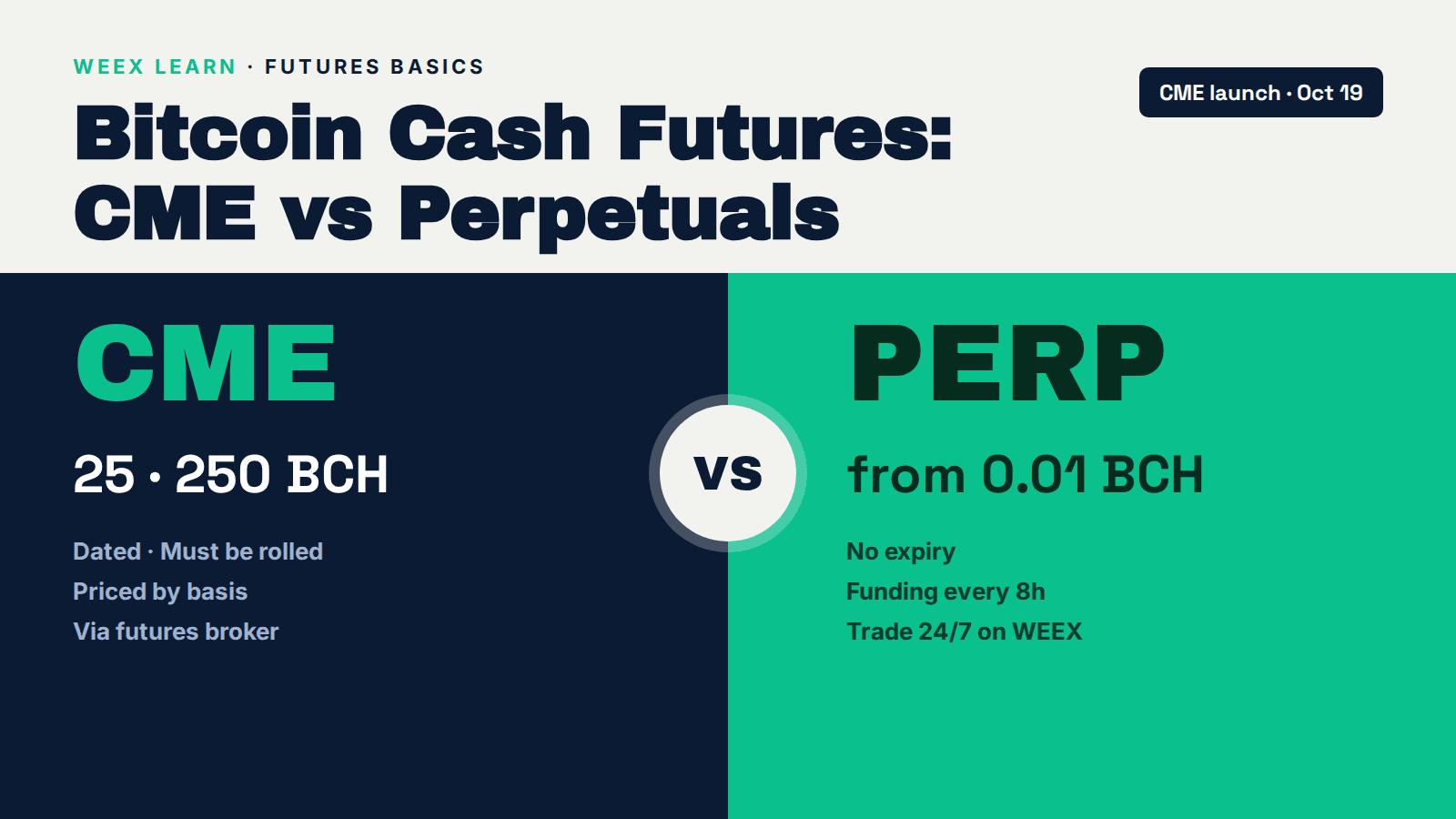
Bitcoin Cash Futures: CME Contracts vs Perpetuals Explained

New Zealand Crypto Tax 2025: A Complete Guide

What Is Minswap (MIN)? A Complete Guide
Cardano (ADA) Price Prediction for October 2025: Can $ADA Hit $1?

Crypto Coins and Tokens: What’s the Difference?

ADA Price Prediction: Where Could ADA Be by 2025, 2026 and 2030?

How To Make Money in Crypto As A Beginner In 2025?
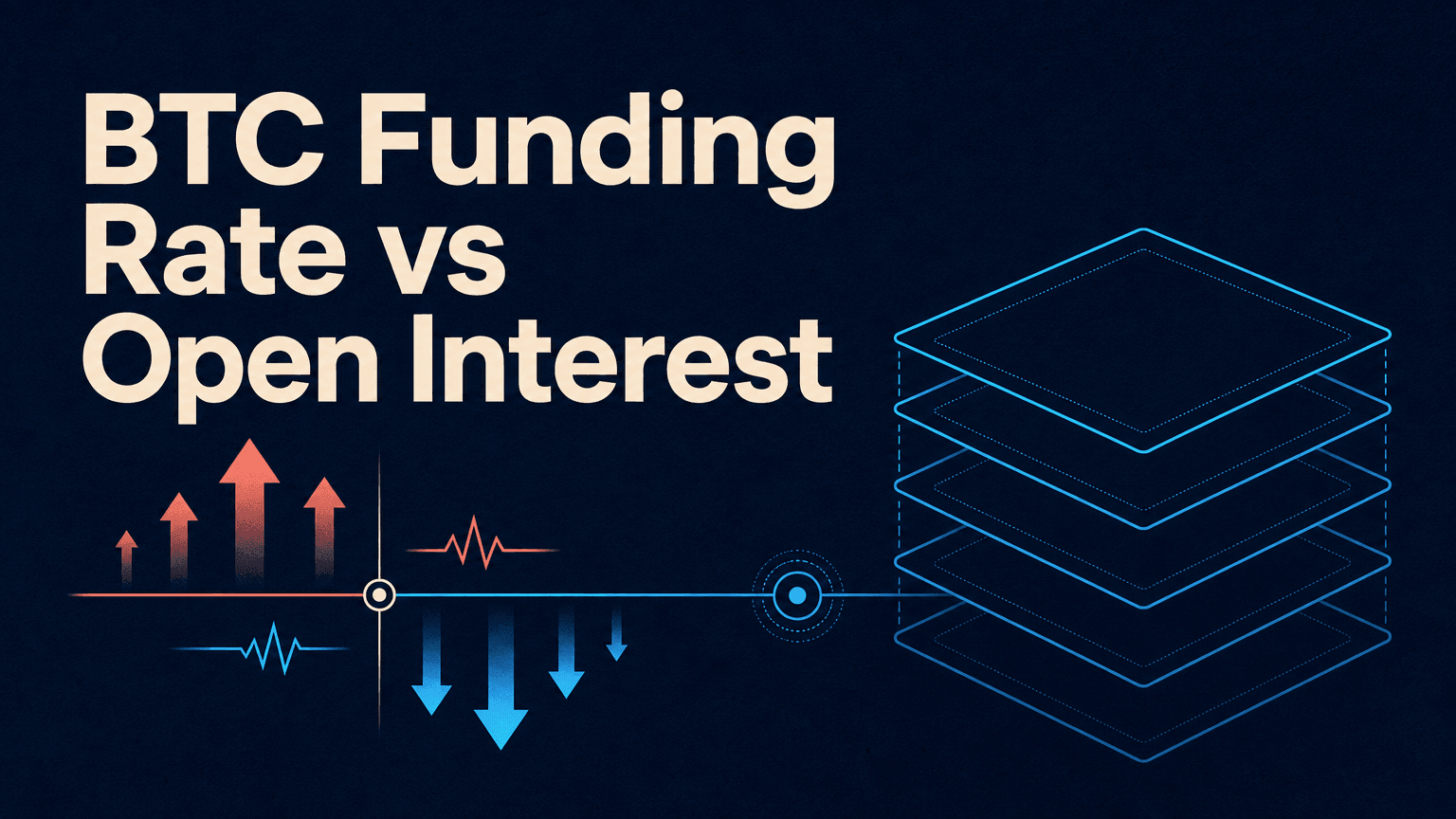
BTC Funding Rate and Open Interest: What Each One Measures and How to Read Them Together
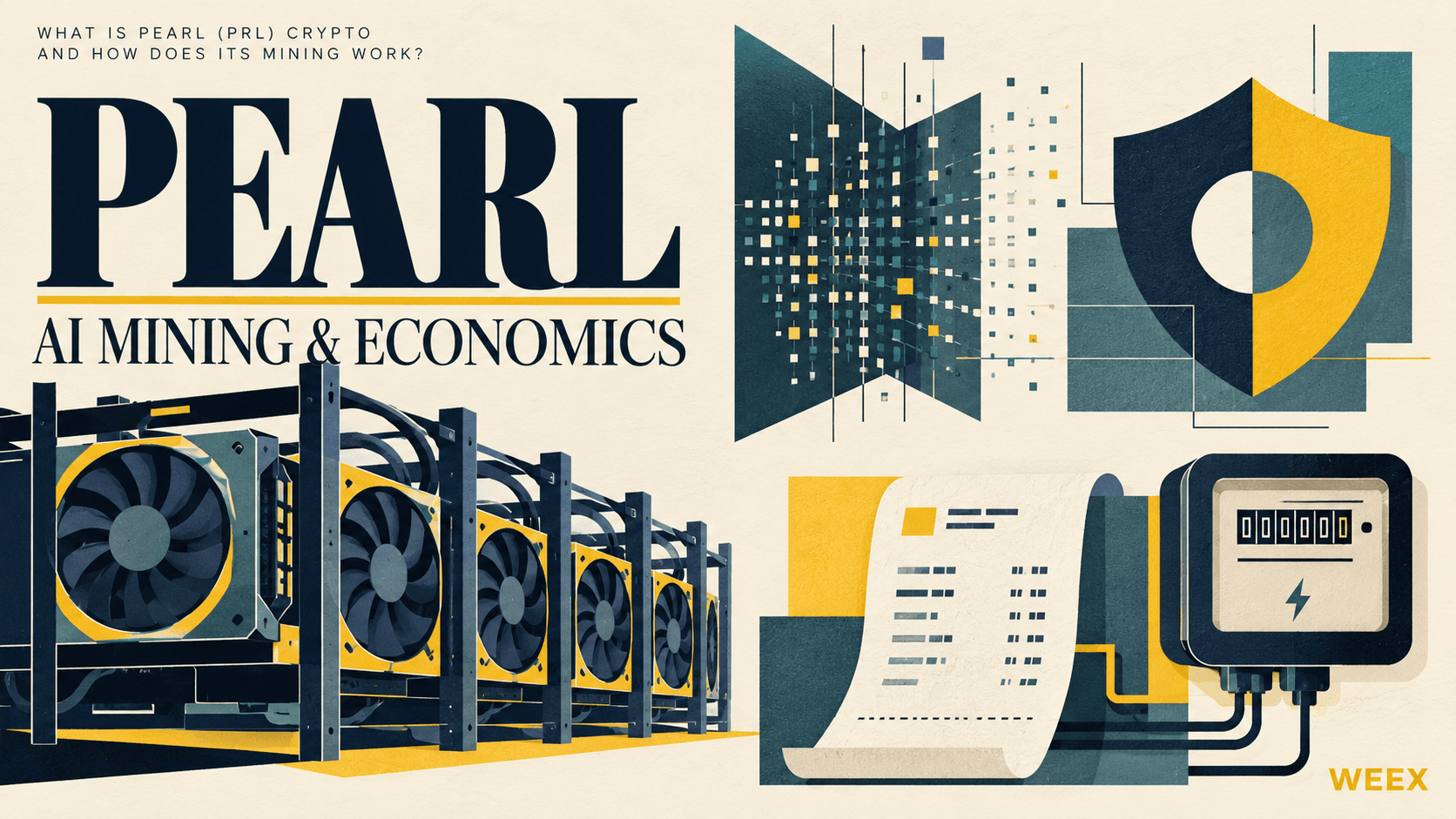
What Is Pearl (PRL) Crypto and How Does Its Mining Work?
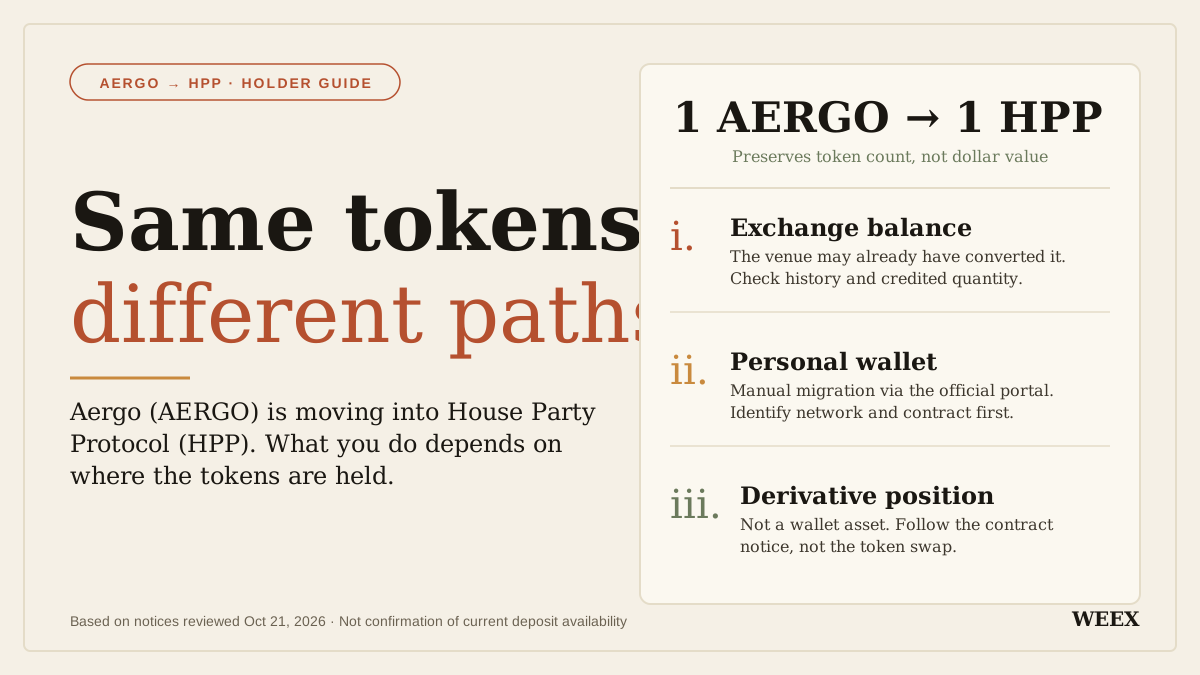
What Happened to Aergo (AERGO) Crypto? Token Migration and What Holders Should Do
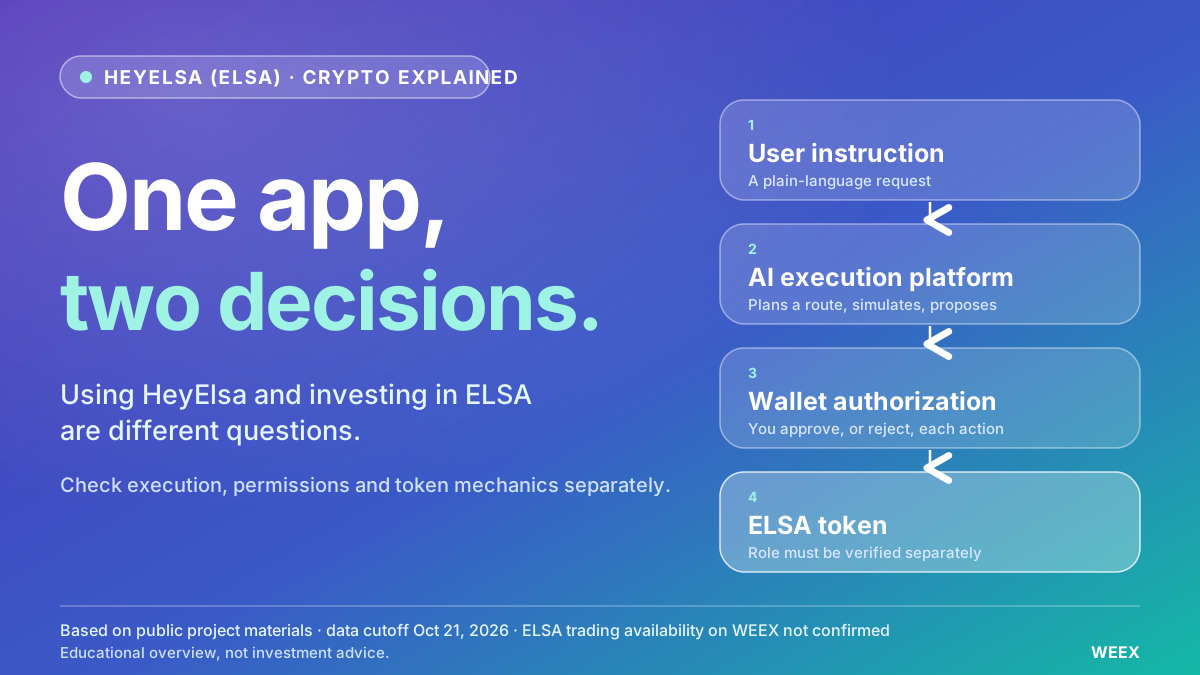
What Is HeyElsa (ELSA) Crypto and How Does It Work?
Stake ETH or Hold USDT on WEEX? The Price Move That Decides It
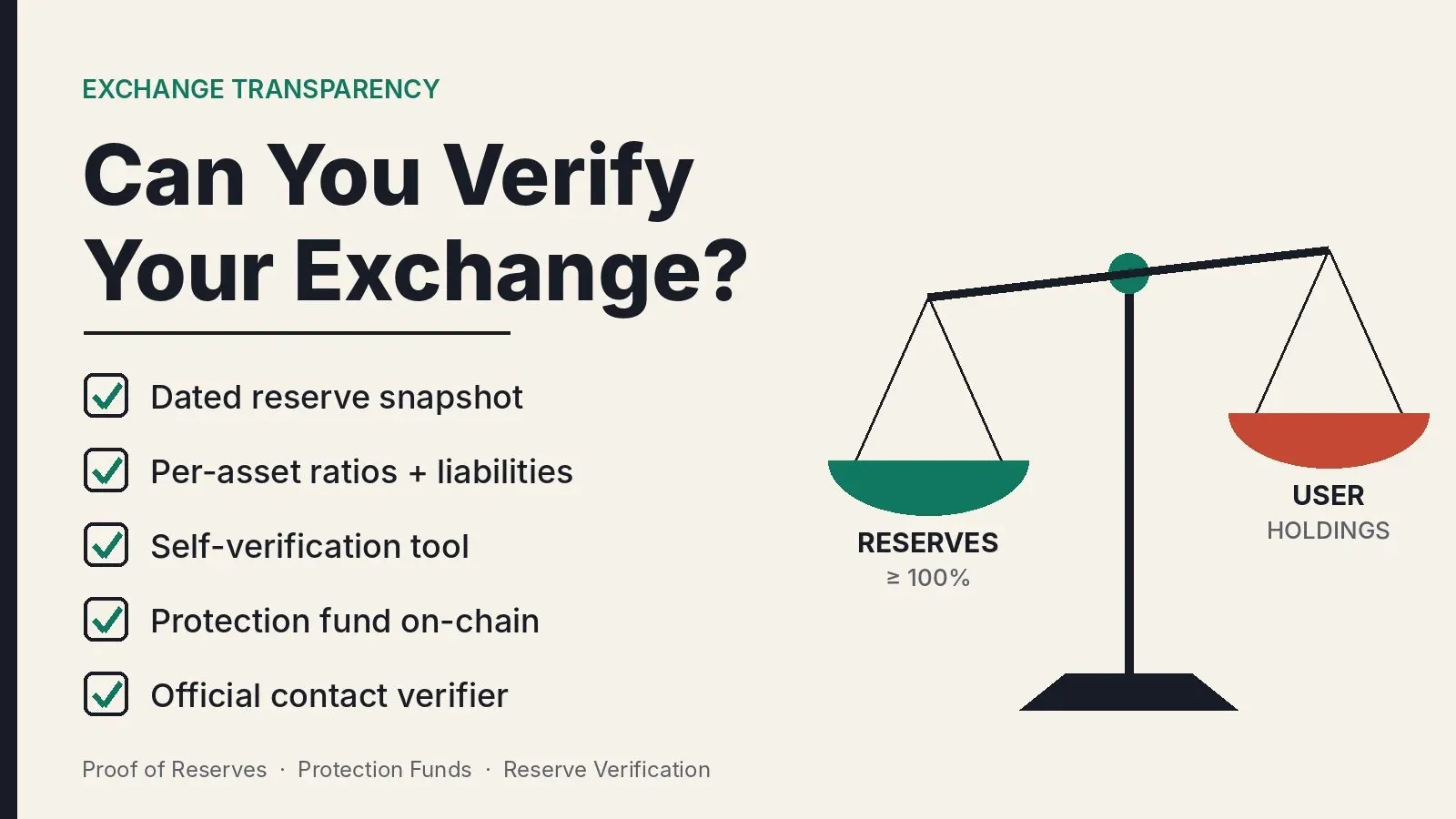
How Transparent Is a Crypto Exchange? Checking Proof of Reserves and Protection Funds
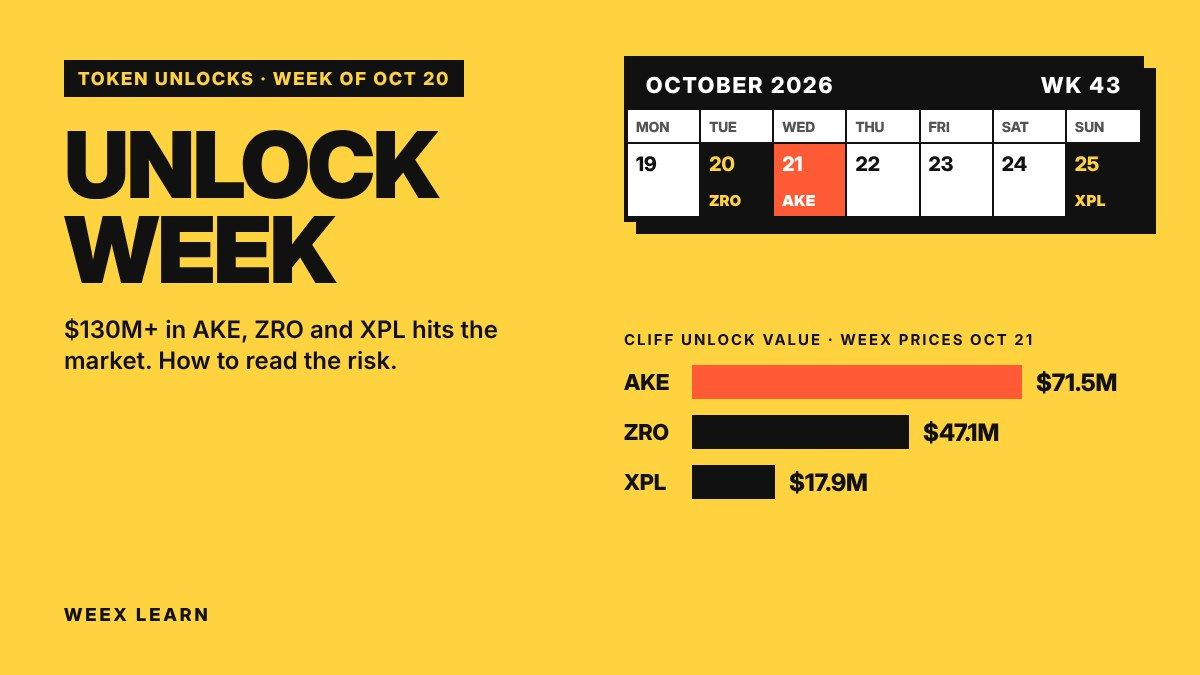
Token Unlocks This Week: How to Read AKE, ZRO and XPL Releases
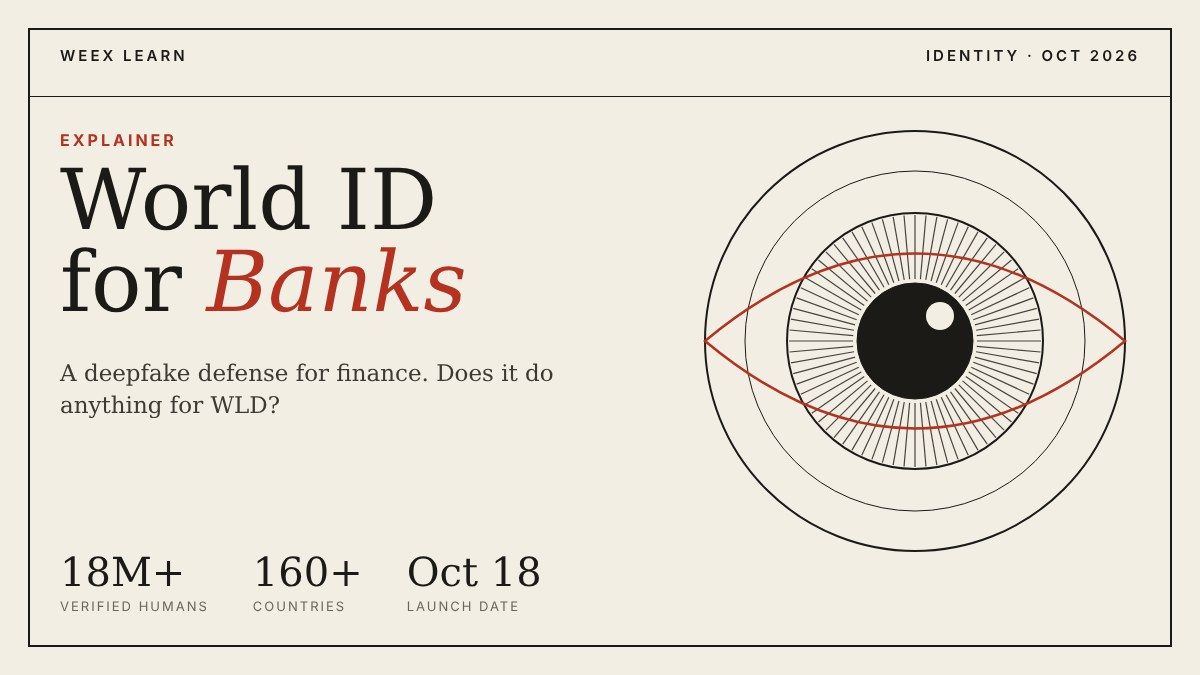
World ID for Banks: What the New Suite Means for WLD Holders
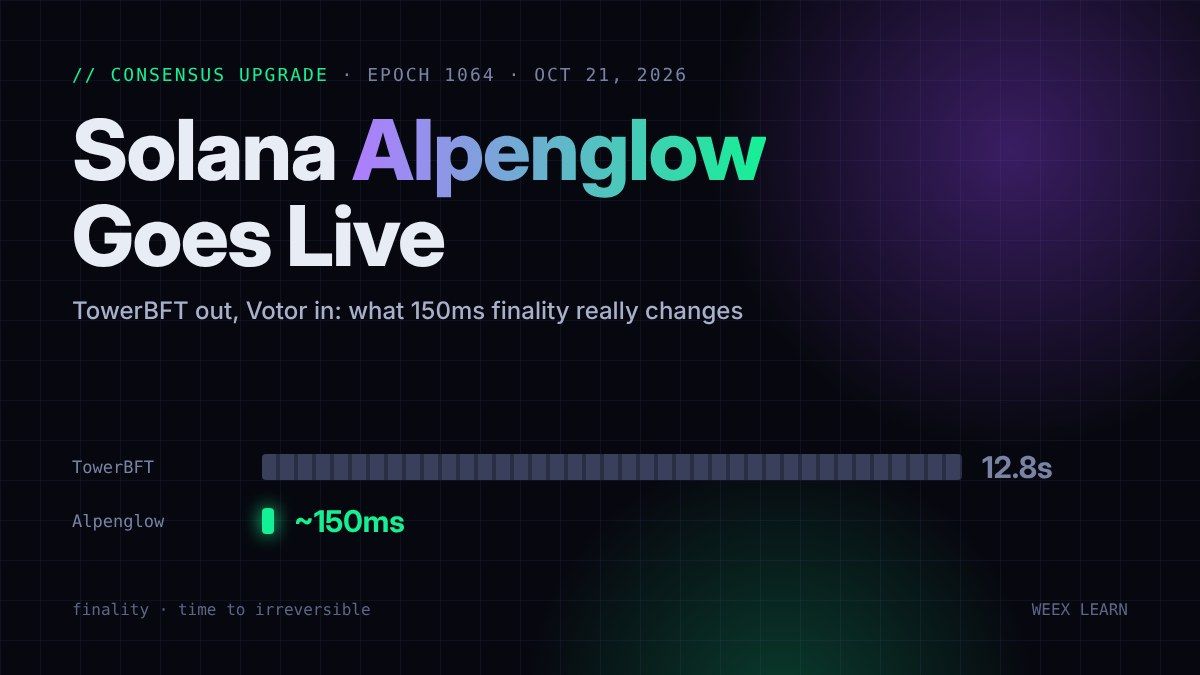
Solana Alpenglow Upgrade: What Changes When Finality Hits 150ms
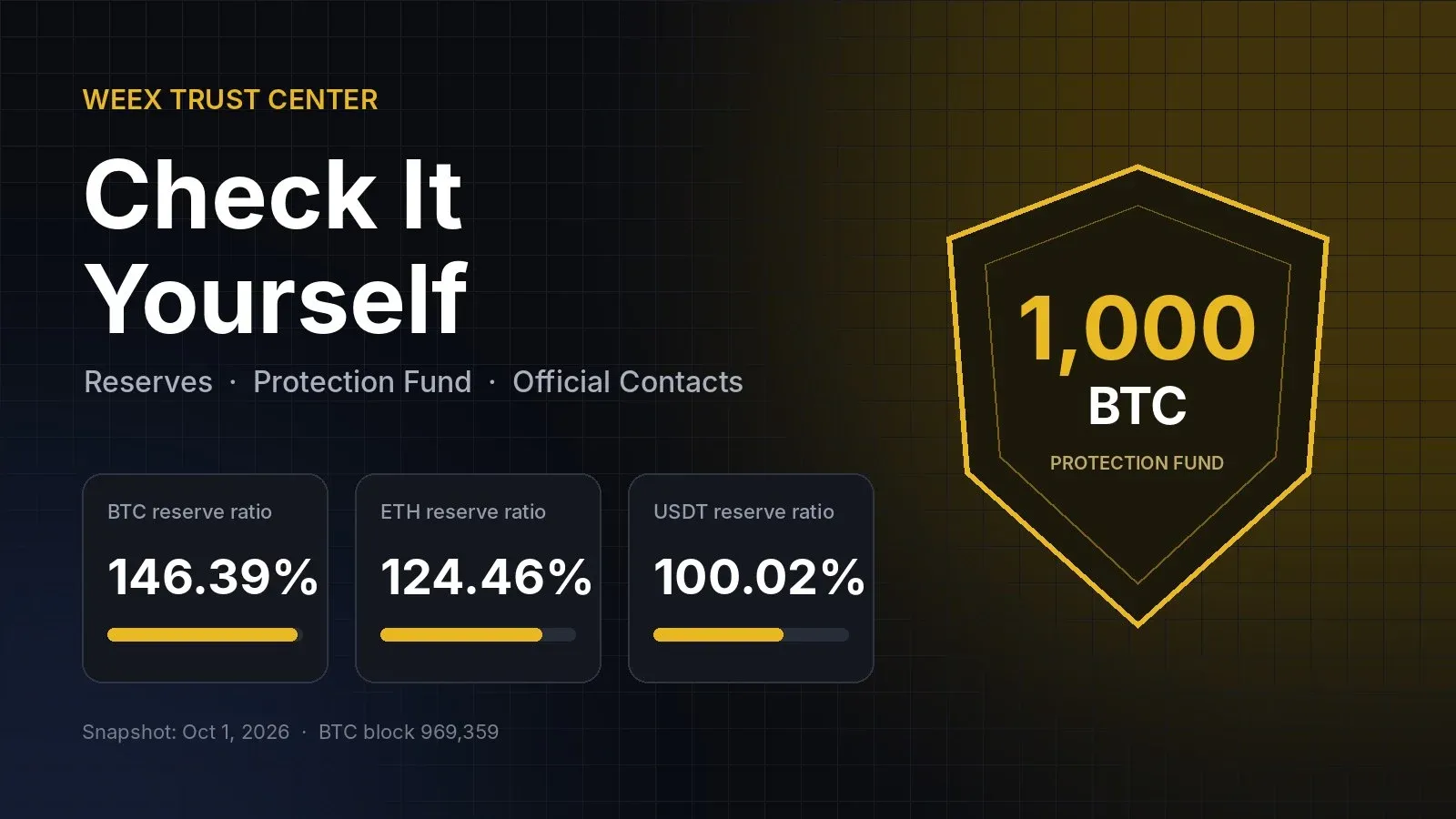
How to Use the WEEX Trust Center: Check Reserves, Protection Fund and Official Contacts
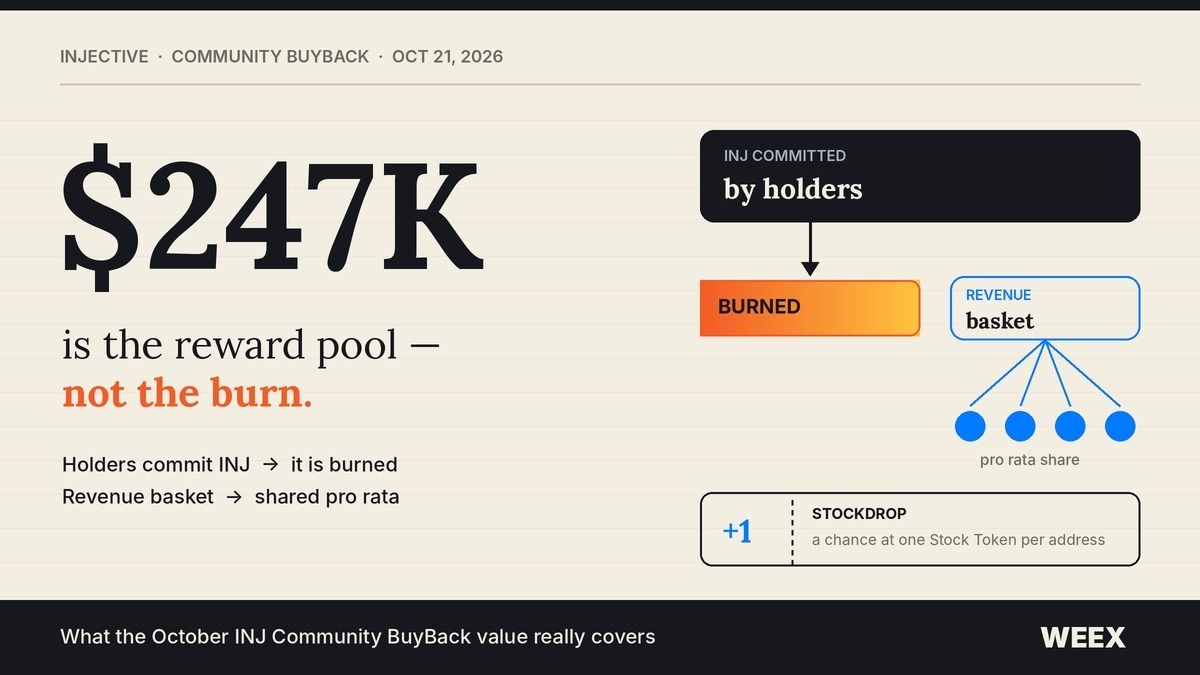
INJ Community BuyBack: What the $247K October Pool Really Means
What Is Leverage Trading in Crypto? A Beginner’s Guide With Simple Examples
What Is Crypto Margin Trading? How It Works, How It Differs From Futures and What Can Go Wrong
Crypto Leverage Trading Explained: How Perpetual Futures, Margin and Liquidation Work
Best Crypto Leverage Trading Platform: Things to Compare Before You Choose an Exchange
Nvidia Stock This Week: Why NVDA Fell Then Bounced and What AI Funding Worries Mean for Chip Stocks
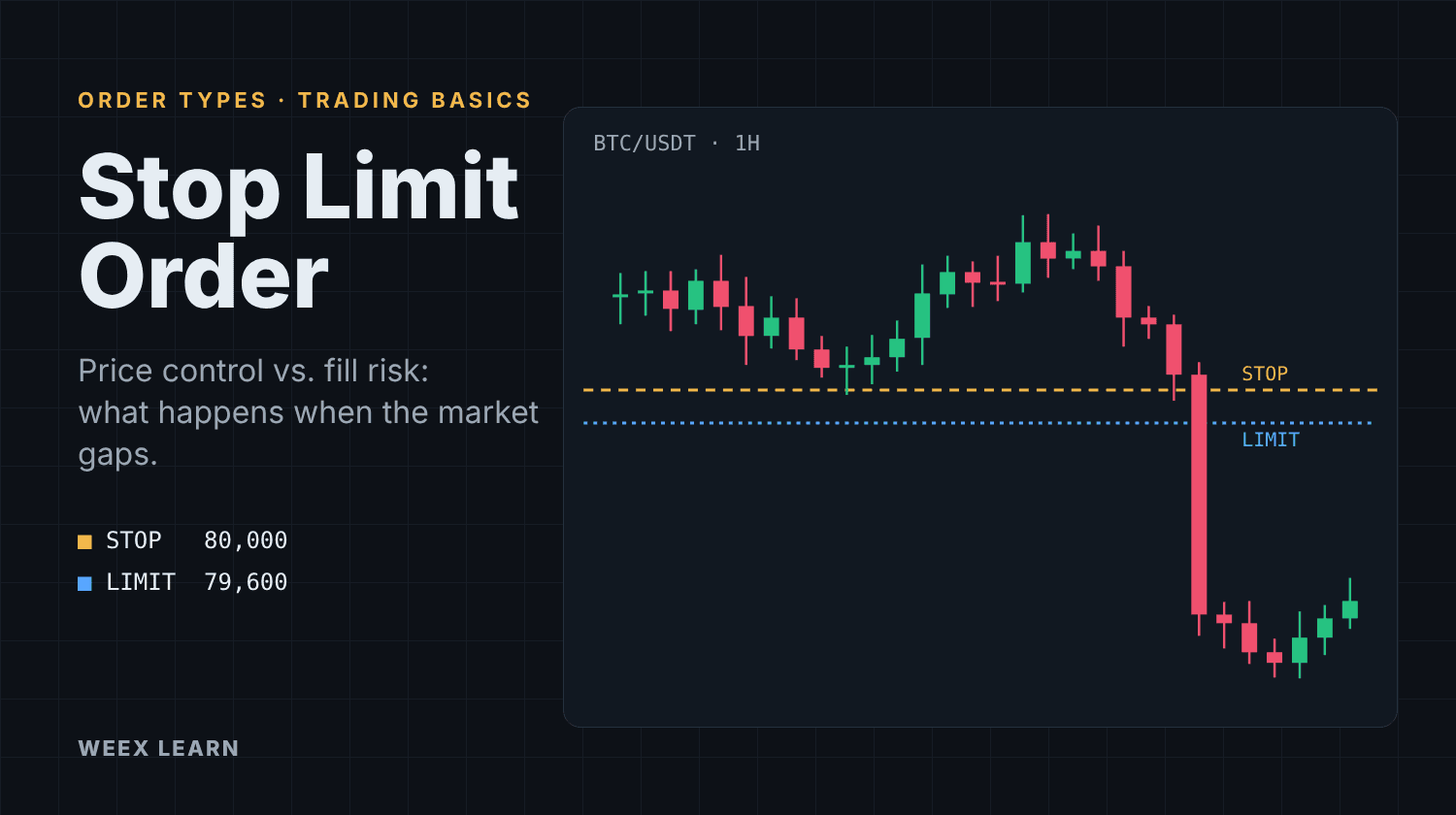
Is My Pre-4.26.4 Qubic Wallet Unsafe? Recovery After the Network Restart

WXT Staking When Supply Shrinks: What Burns Add to Your Yield
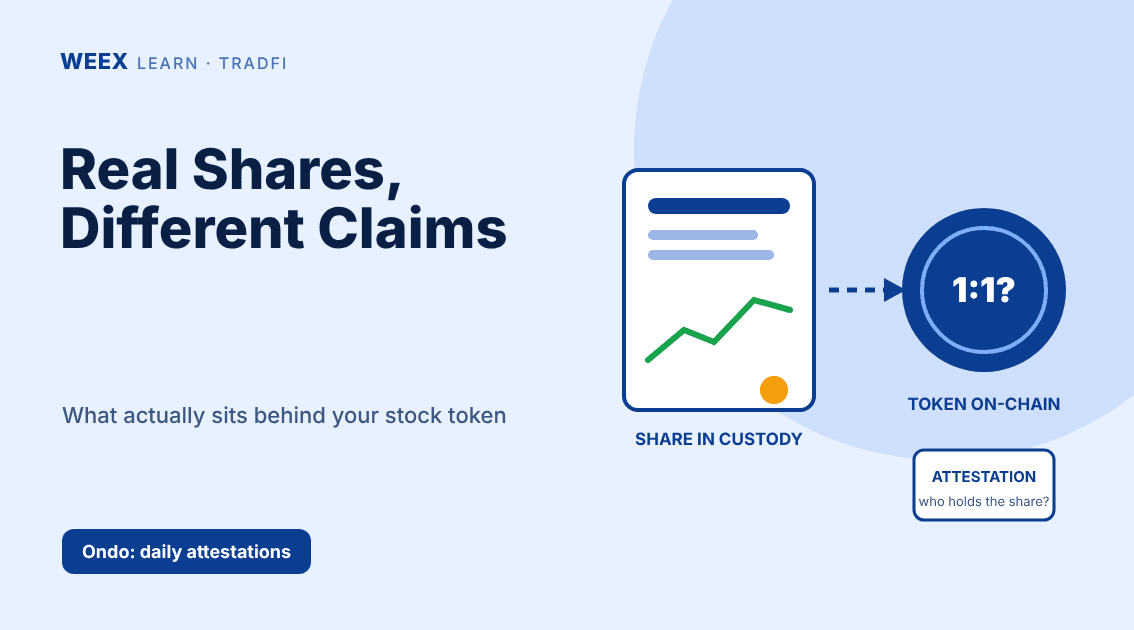
Are Tokenized Stocks Backed by Real Shares? What Holders Own
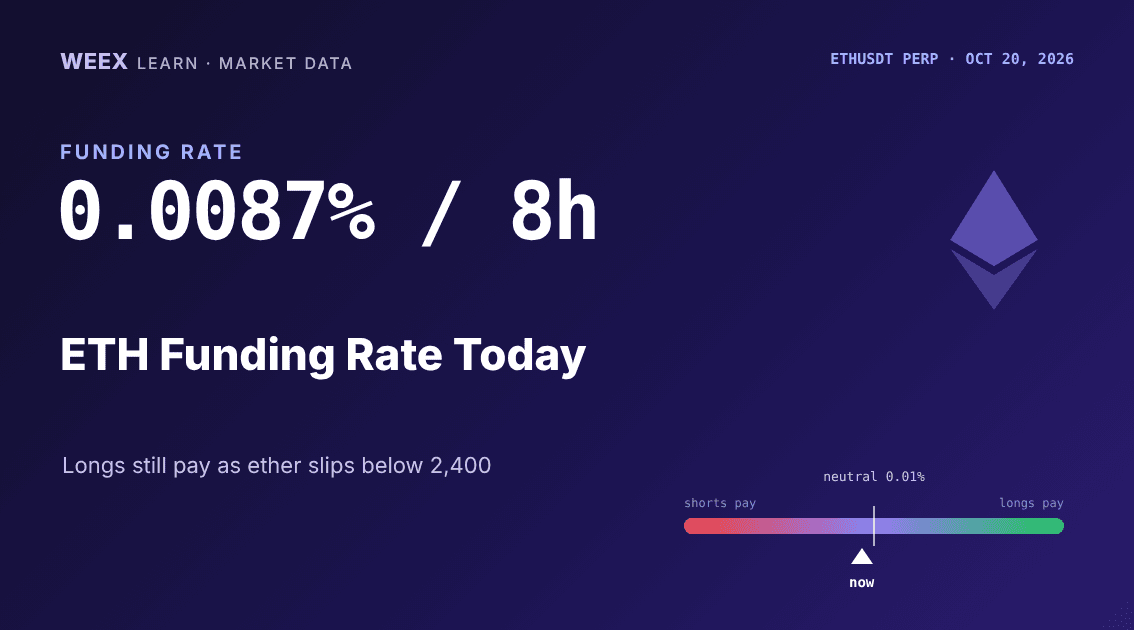
ETH Funding Rate Today: 0.0087% per 8h as Ether Longs Re-Lever
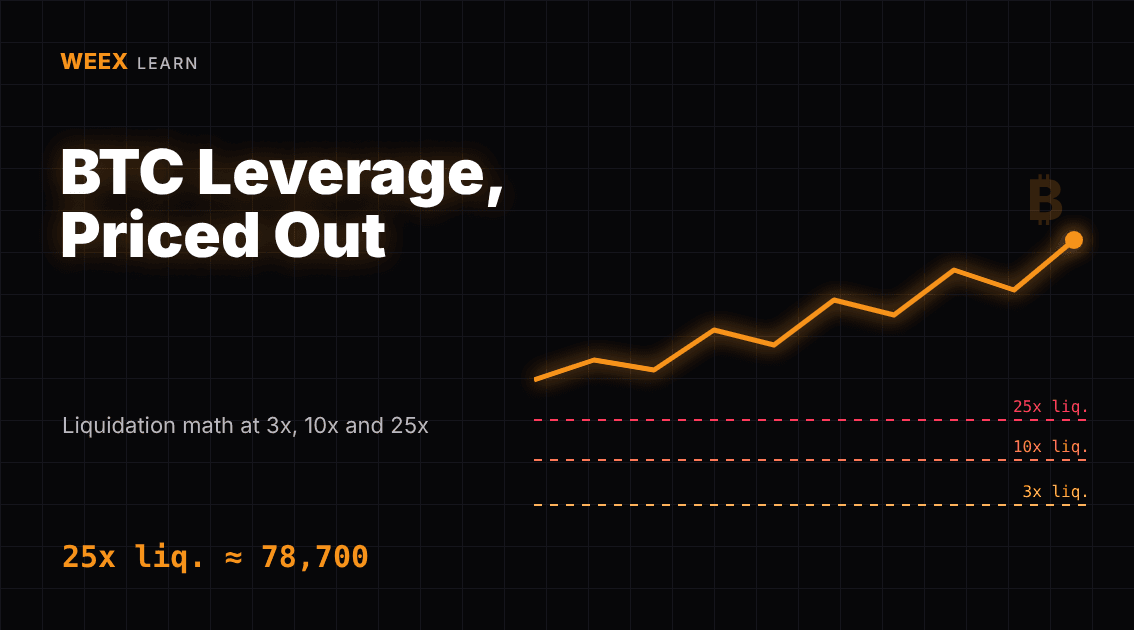
Bitcoin Margin Trading: BTC Liquidation Math at 3x, 10x and 25x
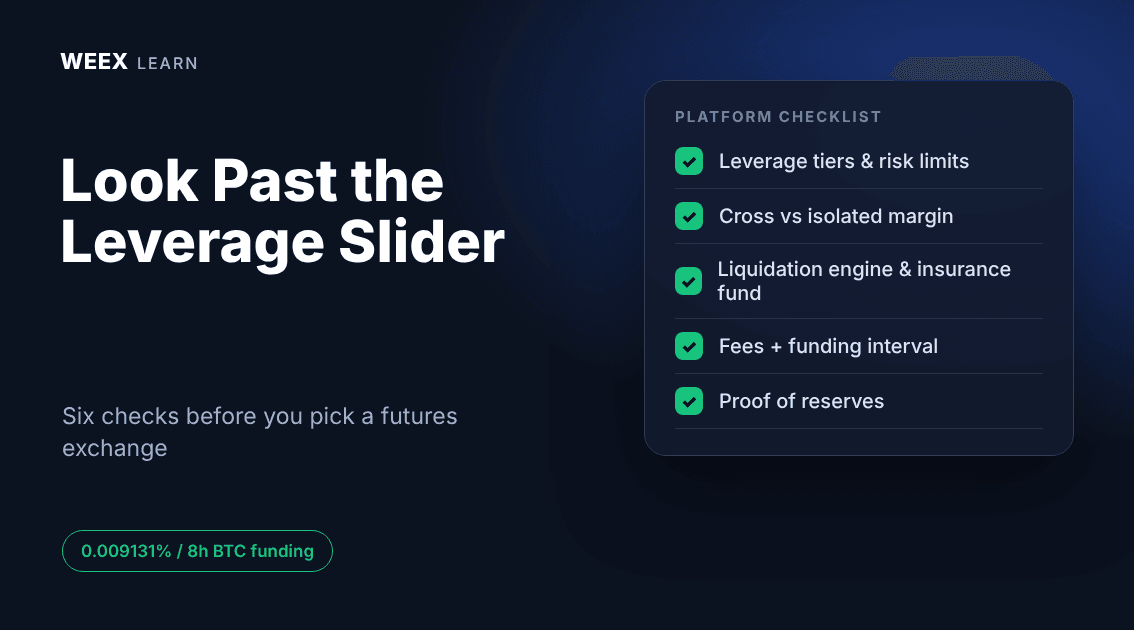
Crypto Leverage Trading Platform: 6 Checks Before You Deposit
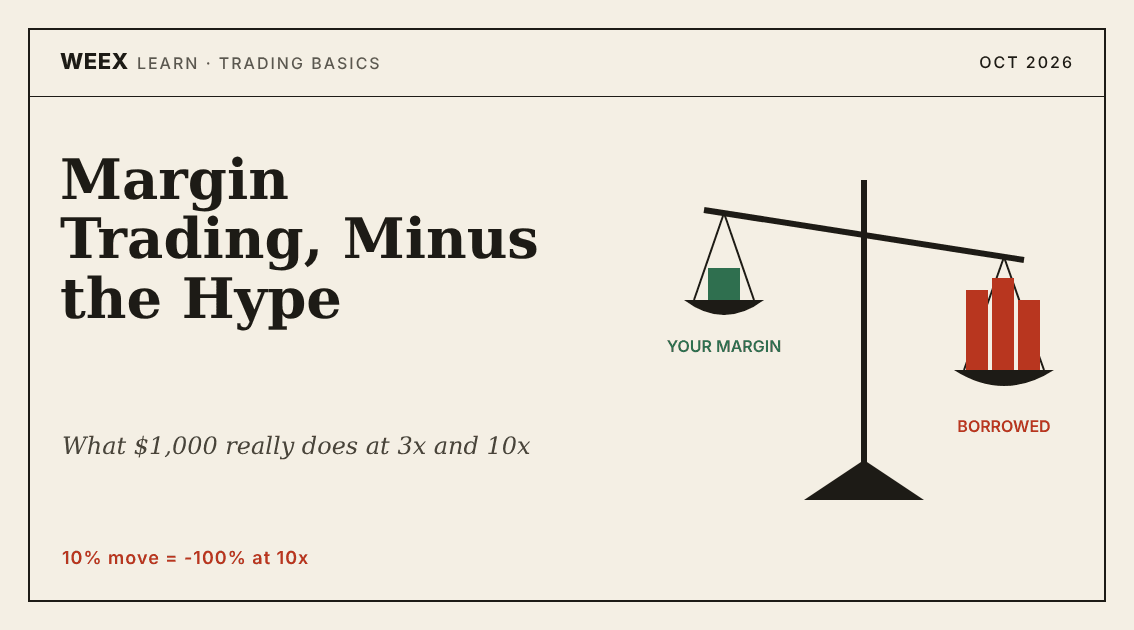
What Is Margin Trading? A $1,000 Example at 3x and 10x Leverage
Bitcoin Cash Futures: CME Contracts vs Perpetuals Explained
New Zealand Crypto Tax 2025: A Complete Guide
What Is Minswap (MIN)? A Complete Guide
Cardano (ADA) Price Prediction for October 2025: Can $ADA Hit $1?
Crypto Coins and Tokens: What’s the Difference?
ADA Price Prediction: Where Could ADA Be by 2025, 2026 and 2030?


