
INJ Community BuyBack: What the $247K October Pool Really Means

 Prefer us on Google

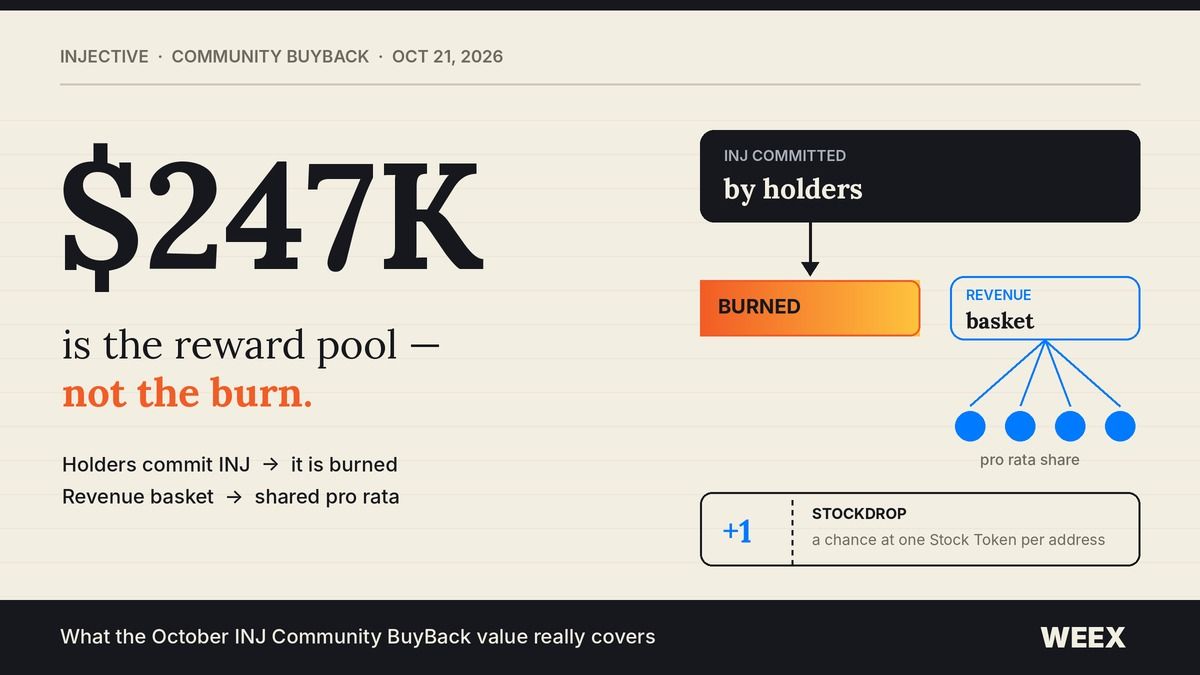
The INJ Community BuyBack that opens on Wednesday, October 21, 2026 comes with a reward pool valued at more than $247,000, according to Injective's preview posted on October 19. That number is the value of the ecosystem revenue basket waiting to be shared out among participants. It is not INJ that has already been bought back, and it is not the amount that will be burned.
The distinction matters because the burn is set by a different number: how much INJ holders choose to commit into the event. Every token committed is destroyed once the round closes, and each participant walks away with a pro rata slice of the basket. On top of that, Stockdrop, which Injective introduced on September 22, gives each participating address a chance at one tokenized stock delivered on Robinhood Chain.
Below, we break down what the $247K figure includes, how a community buyback differs from a team buying INJ on the open market, and why INJ, at about $8.50 on October 20, has drifted lower even with the event on the calendar.
What the $247K INJ Community BuyBack Value Actually Includes
Injective describes the monthly basket as revenue generated across its ecosystem, made up of several tokens. The examples it gives are INJ and USDT; it does not publish a fixed list or weighting for each month, so the exact mix of the October basket will only be visible on Injective Hub once the round is live.
Three things the $247K figure is not:
- Not a completed buyback. As of October 21, the October round has only just opened. No INJ has been burned for this round yet.
- Not the burn amount. The burn equals the total INJ that participants commit, which is unknown until the window closes.
- Not a payout per person. The basket is split across every participant according to their share of total committed INJ.
For scale, Injective's own X account promoted the July 2026 round as worth over $246,000, so the October pool is in line with recent months rather than a step up. The first round, back in October 2025, was a different animal: it burned about 6.78 million INJ, roughly $32.28 million at the time. Monthly rounds since then have been far smaller because they are funded by ongoing revenue rather than a one-off treasury event.
How the Community BuyBack and Stockdrop Work Together
The mechanics run in a fixed order:
- Reserve a slot. Slots on Injective Hub are limited and first-come, first-served.
- Commit INJ. Each address commits an amount within the event's minimum and maximum limits. Commitments are on-chain and final.
- Burn. When the round ends, all committed INJ is permanently burned.
- Claim the basket share. Your payout is your committed INJ divided by total committed INJ, applied to the basket. Claims are made from the Community BuyBack page on Injective Hub.
Stockdrop sits on top of step 4 without changing it. Injective's September 22 announcement set the rules that the October round carries forward:
- Each participating address can receive one Stock Token at most, no matter how much INJ it commits. Committing more raises your basket share, not your Stockdrop odds.
- Receiving a Stock Token is a chance, not a guarantee, and Injective has not published the odds. It named NVIDIA and AMC as example tokens without a full list.
- Tokens are delivered to an EVM address on Robinhood Chain. Claiming requires a signed message, not a transfer, and the claim window stays open for one week after the BuyBack ends. Requests are fulfilled in batches.
- Stock Tokens cannot be offered to U.S. persons, and restrictions also apply in places such as Canada, the UK and Switzerland. Injective notes that Stockdrop is not affiliated with Robinhood Markets.
Injective's October 19 preview confirmed Stockdrop is returning for this round but had not yet shared new details, so check the Hub event page for any changes before committing.
Community BuyBack vs a Market Buyback: The Key Difference
A conventional buyback means a project spends cash to buy its own token on exchanges. That creates direct buy orders in the market, which is why buyback headlines often move prices.
The INJ Community BuyBack works the other way round. No one places bids on an exchange. Holders hand over INJ they already own, the protocol burns it, and in exchange they receive a basket of revenue tokens. The basket is the prize; the burned INJ is the price participants pay to claim it.
That creates a built-in pricing logic. Participants only commit INJ if the basket share they expect is worth more than what they give up. Coverage of earlier rounds put average participant earnings at around 23.9% per round. Running that figure against October's pool as a rough illustration, not a forecast: if participants again earned about 24%, they would commit roughly $199,000 of INJ, which is about 23,500 INJ at $8.50, or around 0.02% of the 100 million supply. Actual rounds can land higher or lower; the order of magnitude is the point.
-- Price
Why INJ Price Stays Weak Despite the BuyBack
INJ is up sharply over three months, yet the short-term picture has cooled. The token hit about $12.44 on October 10, spiked to around $9.13 on October 16 after Injective executives met White House, SEC and CFTC officials, and was back near $8.50 on October 20. Daily MACD had flattened, with the line and signal sitting almost on top of each other, a sign the rally was losing push.
Several reasons the BuyBack is not lifting price on its own:
- The pool is small next to trading activity. CoinGecko data showed about $165.9 million in INJ 24-hour volume on October 17. A $247K basket is roughly 0.15% of one day's turnover.
- There is no exchange bid. Because participants commit INJ they already hold, the event does not add buying pressure the way a market buyback would. Any pre-event buying is usually small and can reverse after claims.
- Basket rewards can be sold. Participants receive part of their reward in INJ and stablecoins. Some will sell once claims open, which adds supply right after the burn.
- Macro and news flow dominate. Recent INJ moves have tracked regulatory headlines and pending INJ-linked ETP filings from 21Shares and Canary Capital far more than burn events.
The better reading is that the BuyBack is a slow, steady supply sink plus a yield-style event for holders. It rewards people who already own INJ; it is not designed to be a price catalyst, and treating it as one is where traders tend to get caught.
How to Buy INJ and Trade INJ Futures on WEEX
If you want INJ exposure, whether to hold for future BuyBack rounds or to trade around the event, WEEX lists both spot and perpetual futures markets.
Buy INJ on spot:
- Sign in to WEEX and fund your account with USDT.
- Open the INJ/USDT spot market.
- Choose a limit order to set your entry price or a market order for an immediate fill, then confirm.
- If you plan to join a Community BuyBack, withdraw INJ to a self-custody wallet that connects to Injective Hub before the slot window opens. New users can follow WEEX's step-by-step guide on how to buy Injective.
Trade INJ futures:
The INJ/USDT perpetual contract lets you go long or short with USDT margin. Around event dates, INJ often sees sharp intraday swings; the 14-day average true range was about $0.86 on October 20, roughly 10% of price. Size positions so a move of that size does not reach your liquidation price, and set a stop-loss before you enter.
Trade Global Markets on WEEX
🔥 Dice Rush: Wall Street Tycoon is running now (October 7 to November 3, 2026, UTC+8). Roll the dice, call U.S. stock moves and compete for a share of a million-dollar prize pool. Join Dice Rush.
WEEX offers U.S. stock spot products and USDT-margined stock futures, so you can follow global market themes from one platform. Trade stocks now.
WEEX TradFi covers stocks, commodities, forex and indices in one place, which helps when tracking cross-market moves. Explore WEEX TradFi.
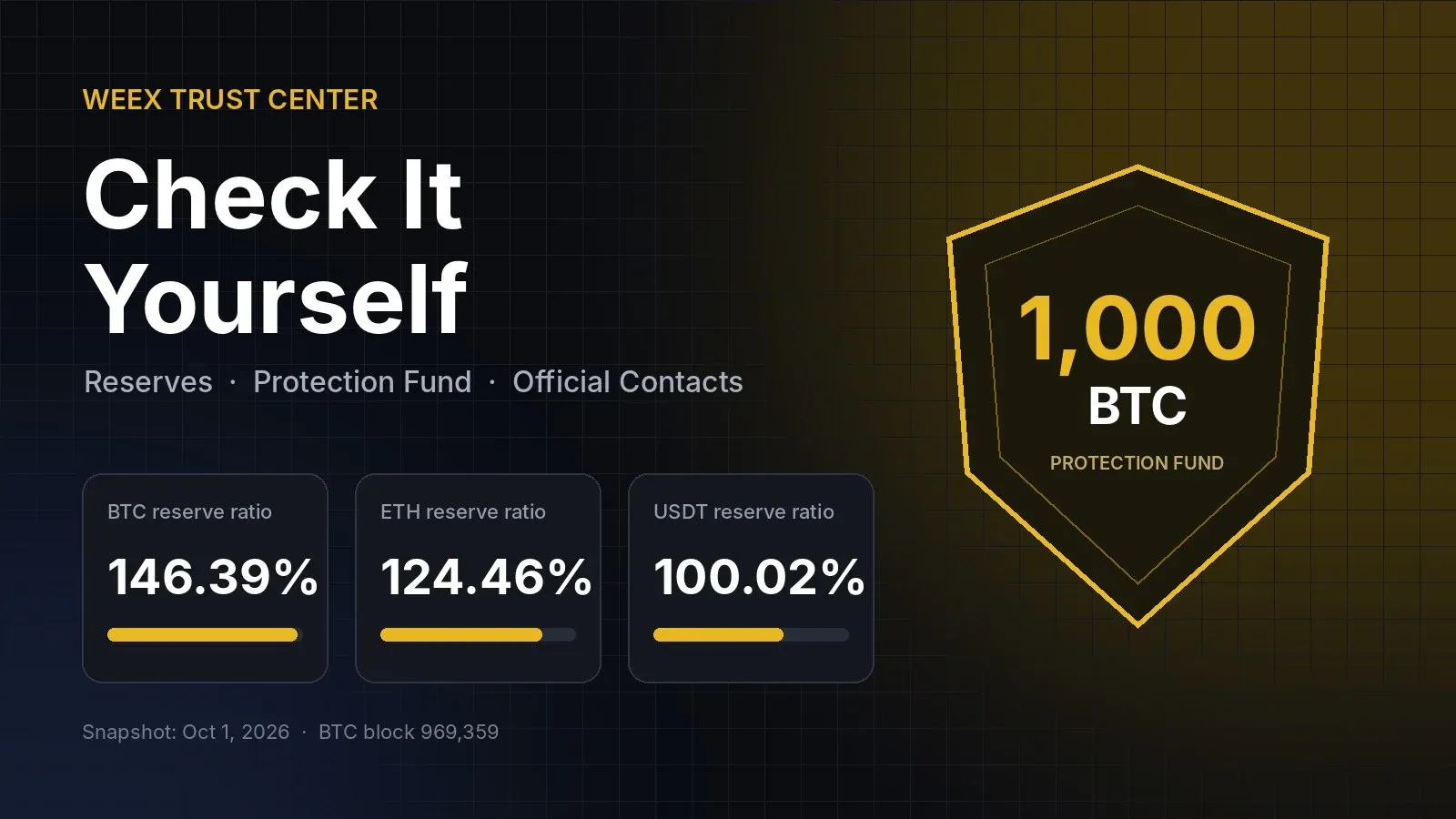
WEEX Proof of Reserves: WEEX publishes a proof-of-reserves page where users can review platform reserves and asset backing. View WEEX Proof of Reserves.
FAQ
1. Is the $247K the amount of INJ Injective will burn in October?
No. The $247K is the value of the revenue basket shared among participants. The burn equals the INJ that participants commit, which is only known after the round closes.
2. When is the October 2026 INJ Community BuyBack?
Injective's October 19 preview said the round opens on Wednesday, which is October 21, 2026. Slot and commitment details are shown on the Community BuyBack page in Injective Hub.
3. Does committing more INJ improve my Stockdrop chances?
No. Stockdrop is capped at one Stock Token per address regardless of the amount committed. A larger commitment only increases your share of the revenue basket.
4. Why did INJ fall even though a buyback is coming?
The pool is small compared with daily trading volume, the event adds no exchange buying, and part of the rewards can be sold after claims. Recent price action has followed regulatory news more than burn events.
5. Can I buy INJ on WEEX and use it in the Community BuyBack?
Yes, you can buy INJ on WEEX spot, but the BuyBack runs on Injective Hub, so you need to withdraw the INJ to a compatible self-custody wallet before committing.
This content is provided for general informational purposes only and doesn't constitute financial, investment, legal, or tax advice. Any events, rewards, online promotions, or related information mentioned herein should not be considered a recommendation, solicitation, or invitation to purchase, sell, trade, or otherwise deal in any crypto assets. Crypto assets are highly volatile and may result in loss. The availability of WEEX services, products, and related events may vary by region. You are responsible for ensuring that your participation is in accordance with applicable local laws and regulations.
You may also like
How Do Pre-IPO Perpetual Futures Allow On-Chain Exposure to OpenAI Stock? 2026
Trade to Earn: How Your Everyday Trades Can Start Earning for You
What Is Injective (INJ) and How Does It Work?
BTC Funding Rate and Open Interest: What Each One Measures and How to Read Them Together
What Is Pearl (PRL) Crypto and How Does Its Mining Work?
What Happened to Aergo (AERGO) Crypto? Token Migration and What Holders Should Do
What Is HeyElsa (ELSA) Crypto and How Does It Work?
Stake ETH or Hold USDT on WEEX? The Price Move That Decides It
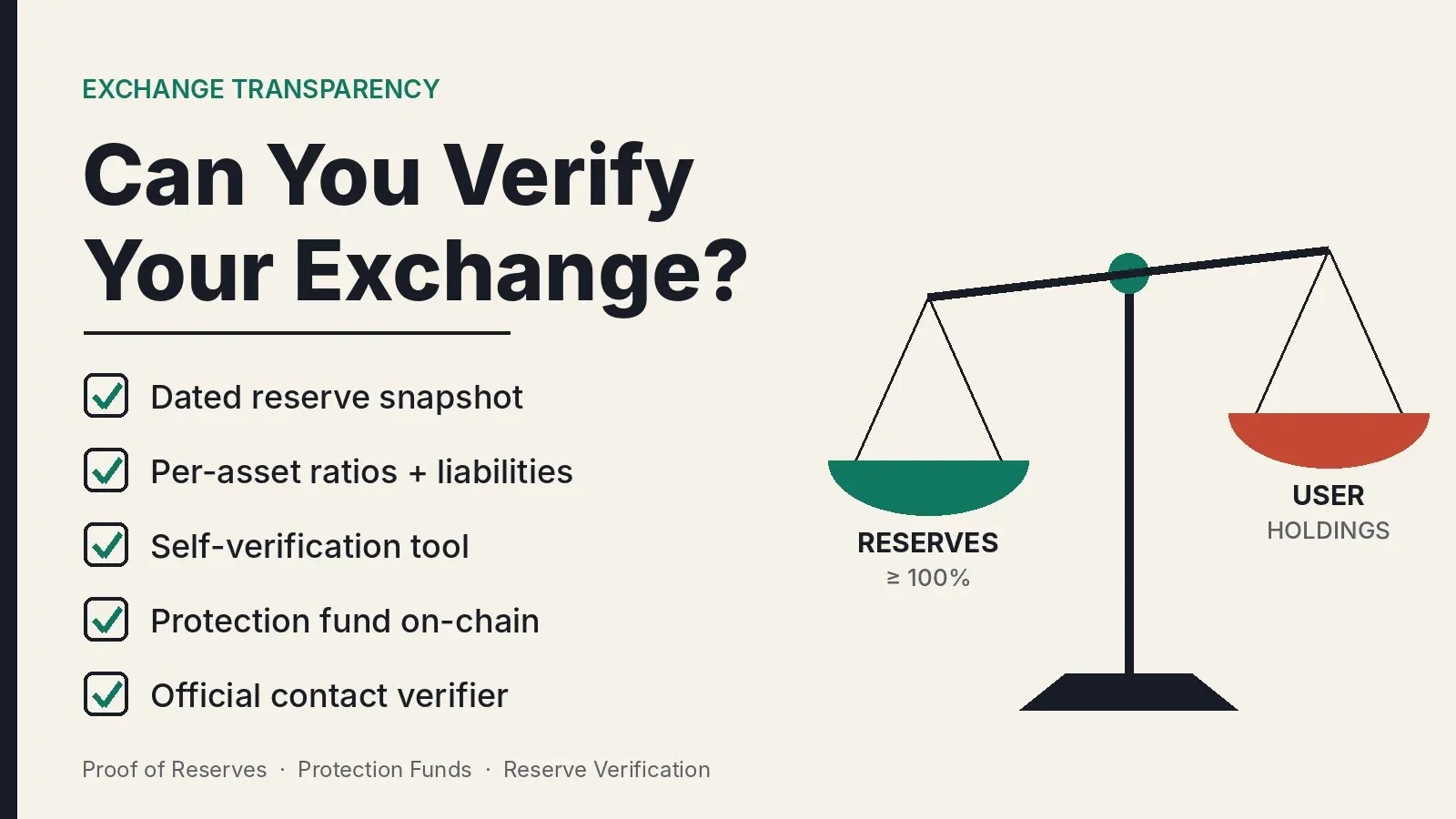
How Transparent Is a Crypto Exchange? Checking Proof of Reserves and Protection Funds
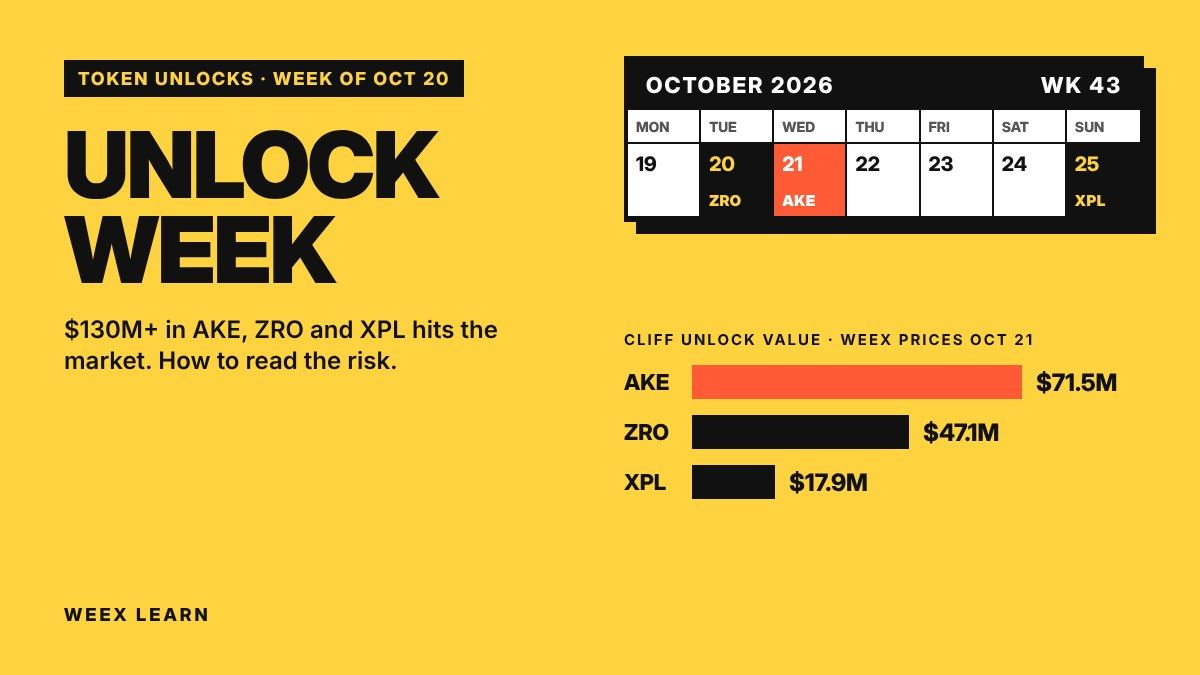
Token Unlocks This Week: How to Read AKE, ZRO and XPL Releases
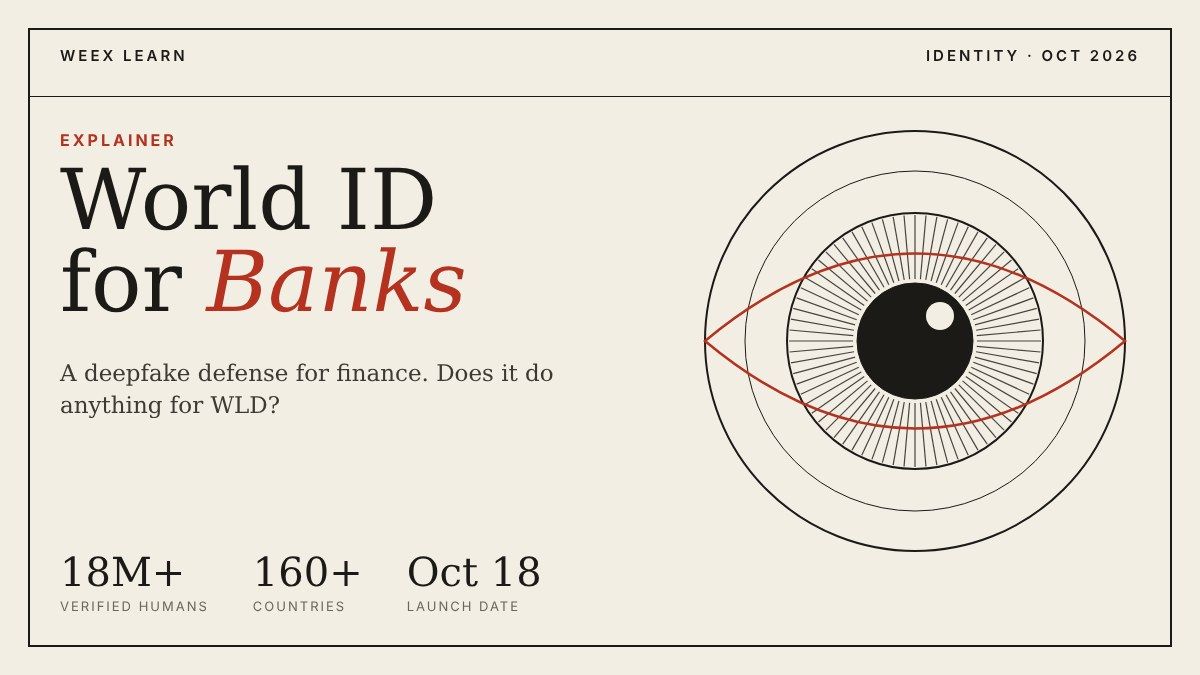
World ID for Banks: What the New Suite Means for WLD Holders
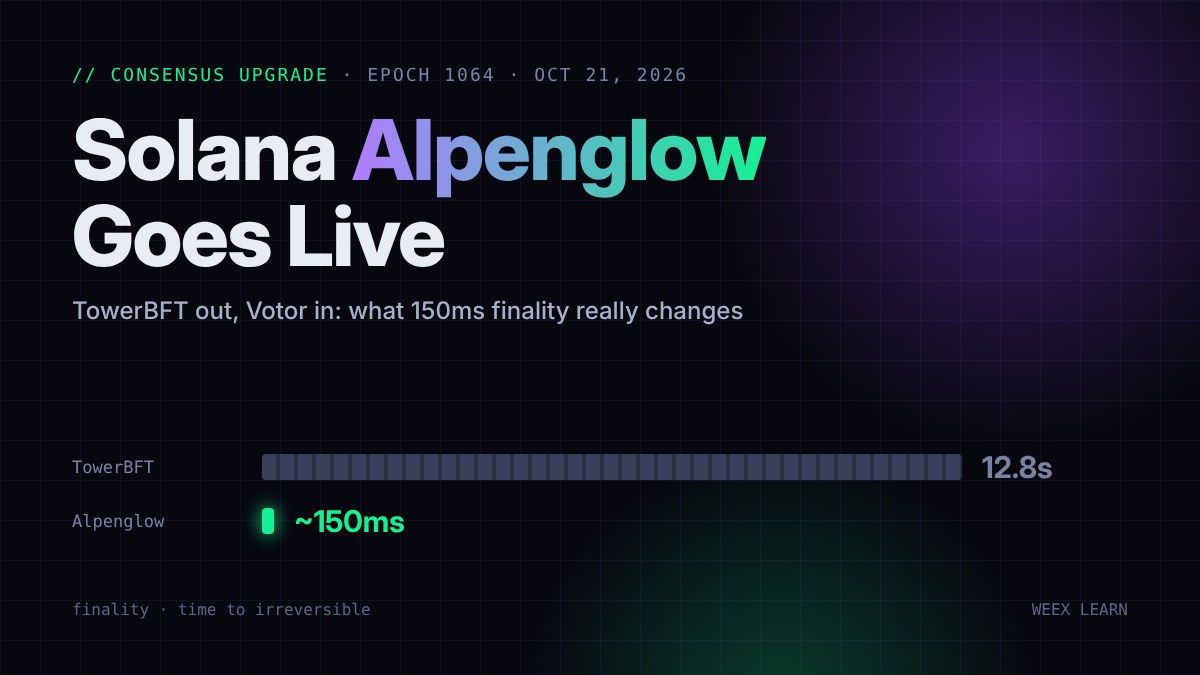
Solana Alpenglow Upgrade: What Changes When Finality Hits 150ms
How to Use the WEEX Trust Center: Check Reserves, Protection Fund and Official Contacts
What Is Leverage Trading in Crypto? A Beginner’s Guide With Simple Examples
What Is Crypto Margin Trading? How It Works, How It Differs From Futures and What Can Go Wrong
Crypto Leverage Trading Explained: How Perpetual Futures, Margin and Liquidation Work
Best Crypto Leverage Trading Platform: Things to Compare Before You Choose an Exchange
Nvidia Stock This Week: Why NVDA Fell Then Bounced and What AI Funding Worries Mean for Chip Stocks
Is My Pre-4.26.4 Qubic Wallet Unsafe? Recovery After the Network Restart
WXT Staking When Supply Shrinks: What Burns Add to Your Yield
Are Tokenized Stocks Backed by Real Shares? What Holders Own
ETH Funding Rate Today: 0.0087% per 8h as Ether Longs Re-Lever
Bitcoin Margin Trading: BTC Liquidation Math at 3x, 10x and 25x
Crypto Leverage Trading Platform: 6 Checks Before You Deposit
What Is Margin Trading? A $1,000 Example at 3x and 10x Leverage
The 17 October 2026 DBR Unlock: Six Allocations and deBridge's Vesting Schedule
Fake Crypto Payments: What to Check Before Handing Over Goods
What Is Leverage in Trading? How Leverage Ratios Like 5x and 10x Work and What They Do to Your Risk
What Is Leverage Trading? A Beginner’s Guide to Margin, Liquidation and Funding Fees
Is RSI a Good Indicator? How the Relative Strength Index Works, Its Limits and How Traders Use It
How Do Pre-IPO Perpetual Futures Allow On-Chain Exposure to OpenAI Stock? 2026
Trade to Earn: How Your Everyday Trades Can Start Earning for You
What Is Injective (INJ) and How Does It Work?
BTC Funding Rate and Open Interest: What Each One Measures and How to Read Them Together
What Is Pearl (PRL) Crypto and How Does Its Mining Work?
What Happened to Aergo (AERGO) Crypto? Token Migration and What Holders Should Do
Contents
Popular coins
Latest articles




