WXT Staking When Supply Shrinks: What Burns Add to Your Yield

 Prefer us on Google


Key Takeaway
- Most staking coins create new supply, which dilutes holders.
- WXT works the other way: WEEX burns WXT every quarter, so the total supply shrinks.
- If burns continue at their recent pace, a WXT staker's share of supply grows faster than the staking APR alone.
How WXT Staking Works on WEEX
WXT staking on WEEX pays rewards in WXT through flexible and fixed-term products. When WXT staking launched on March 20, 2026, WEEX listed about 1% APR for flexible and 2.5% APR for fixed-term
- Flexible WXT staking: redeem anytime and keep the rewards earned.
- Fixed-term WXT staking: coins are committed for the term. Redeeming early forfeits all rewards for that term.
- Rewards: paid in WXT.
How WXT Burns Shrink the Supply
WEEX has burned WXT on a quarterly schedule since 2025. WXT started with a supply of 10 billion. As of October 20, 2026, WEEX lists 4,253,096,699 WXT burned and a total supply of 5,746,903,301 WXT.
The two most recent burns were similar in size:
- Q4 2025 burn: 65,894,735 WXT, about 1.12% of supply at the time
- Q1 2026 burn: 62,998,141 WXT, about 1.08% of supply at the time
Burn size depends on how the platform performs.
-- Price
What Burns Add to Your Share of Supply
A staker's share of supply grows from two sides. Rewards add WXT to your balance. Burns shrink the total pool. Together, they grow your slice faster than either one alone.
If the pace of the last two burns continued for a year, the supply would shrink about 4.3%. Here is what that would mean for 1,000 WXT held for a year:
- Fixed-term staking at 2.5%: your share of supply grows about 7.1%.
- Flexible staking at 1%: your share grows about 5.6%.
- Not staking: your share still grows about 4.5%, from burns alone.
The formula is: share growth = (1 + APR) ÷ (1 - supply reduction) - 1.
This is the opposite of coins like SOL, where new supply shrinks the share of anyone who does not stake.
Why a Bigger Share Is Not the Same as Profit
A growing share of supply does not always mean a gain in dollars. WXT's price is set by the market, not by supply alone. A price drop can outweigh both rewards and burns.
Keep these limits in mind:
- Burns are not fixed. They depend on quarterly profit and can shrink or stop.
- Platform concentration. WXT is WEEX's platform token, so its value is tied to one exchange.
- Rates can change. WXT staking APRs are estimates.
Flexible or Fixed: Which WXT Staking Fits You?
The choice depends on how you use WXT. Holders who rely on WXT perks or may sell soon need access. Long-term holders can accept a lock for a higher rate.
- Choose flexible if you trade WXT or want to exit quickly.
- Choose fixed-term if you plan to hold through the full term.
See current WXT products and rates on the WEEX Staking page. Burn history and holder benefits are on the WXT page.
FAQ
Does WEEX burn WXT?
Yes. WEEX burns WXT quarterly. As of October 20, 2026, 4,253,096,699 WXT has been burned from an original 10 billion supply.
How do burns affect WXT staking?
Burns shrink the total supply, so a staker's share of supply grows faster than the staking APR alone.
Do I benefit from WXT burns without staking?
Yes, in supply terms. Burns shrink the total supply, so every holder's share grows, staked or not.
Do WXT burns push up the WXT price?
Not necessarily. Price is set by the market. Burns reduce supply, but a price drop can still outweigh them.
This content is provided for general informational purposes only and doesn't constitute financial, investment, legal, or tax advice. Any events, rewards, online promotions, or related information mentioned herein should not be considered a recommendation, solicitation, or invitation to purchase, sell, trade, or otherwise deal in any crypto assets. Crypto assets are highly volatile and may result in loss. The availability of WEEX services, products, and related events may vary by region. You are responsible for ensuring that your participation is in accordance with applicable local laws and regulations.
You may also like
What Is Staking? 4 Myths to Clear Up Before You Stake Crypto
Why Does Bitcoin (BTC) Drop? How to Read a BTC Liquidation Heatmap Without Guessing the Bottom

FICO vs VantageScore: What the New Fannie Mae and Freddie Mac Rule Actually Means for Your Mortgage
Grok 4.7 Explained: How to Check Release and Performance Claims
Fable 5.1: What Anthropic's New Model Means for AI Tokens

Is OPAI.PVT OpenAI's Real Stock Symbol? What Investors Need to Know Before the IPO 2026
Tokenized Stocks 101: When the World's 7+3 Most Valuable Companies Become Crypto's Underlying Assets
BTC Funding Rate and Open Interest: What Each One Measures and How to Read Them Together
What Is Pearl (PRL) Crypto and How Does Its Mining Work?
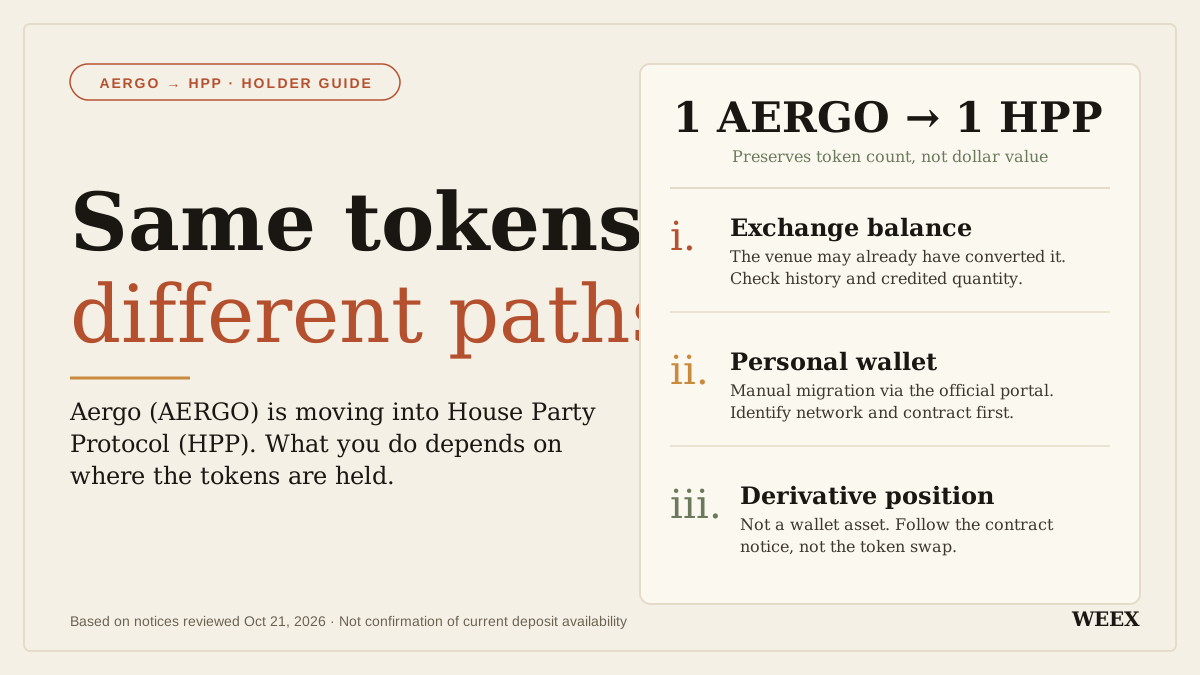
What Happened to Aergo (AERGO) Crypto? Token Migration and What Holders Should Do
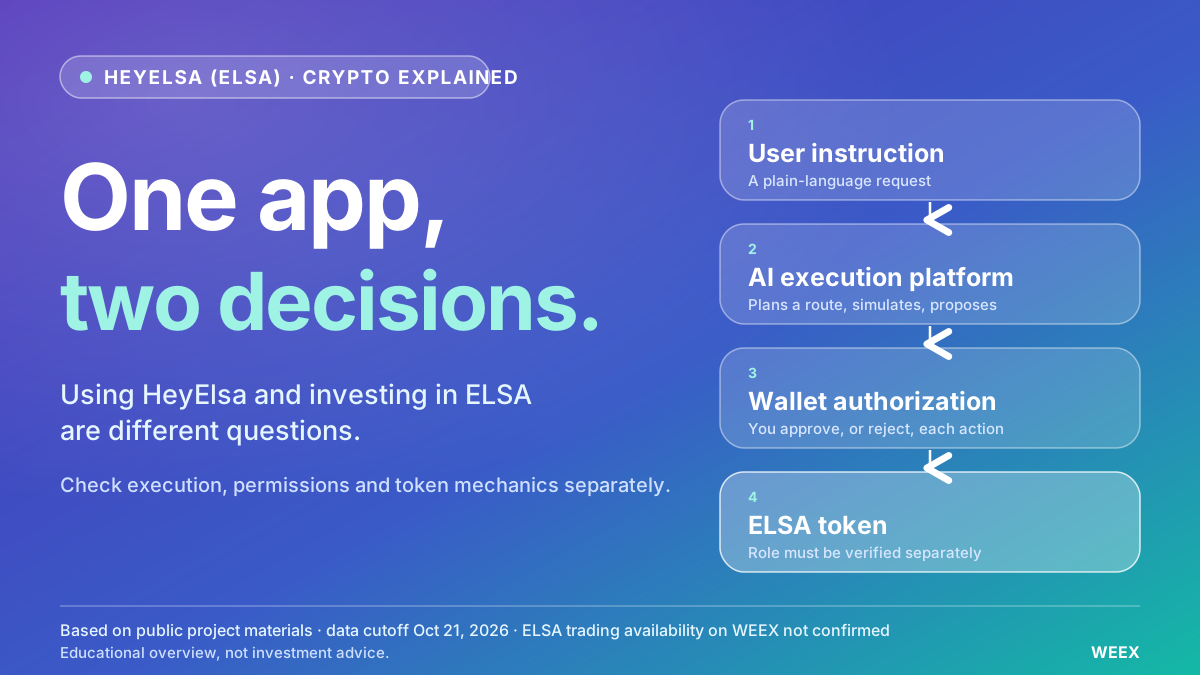
What Is HeyElsa (ELSA) Crypto and How Does It Work?
Stake ETH or Hold USDT on WEEX? The Price Move That Decides It
How Transparent Is a Crypto Exchange? Checking Proof of Reserves and Protection Funds
Token Unlocks This Week: How to Read AKE, ZRO and XPL Releases

World ID for Banks: What the New Suite Means for WLD Holders
Solana Alpenglow Upgrade: What Changes When Finality Hits 150ms
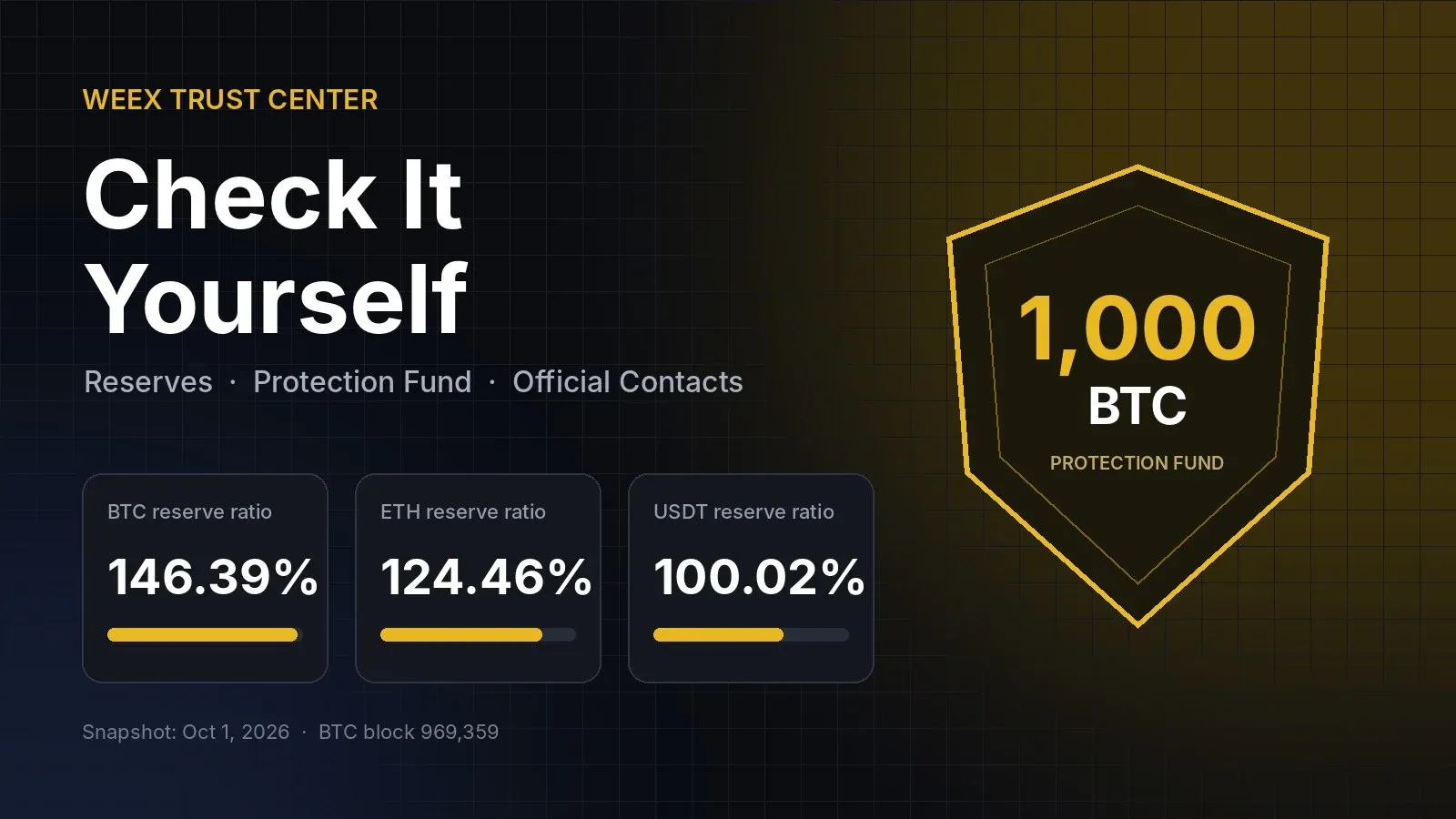
How to Use the WEEX Trust Center: Check Reserves, Protection Fund and Official Contacts
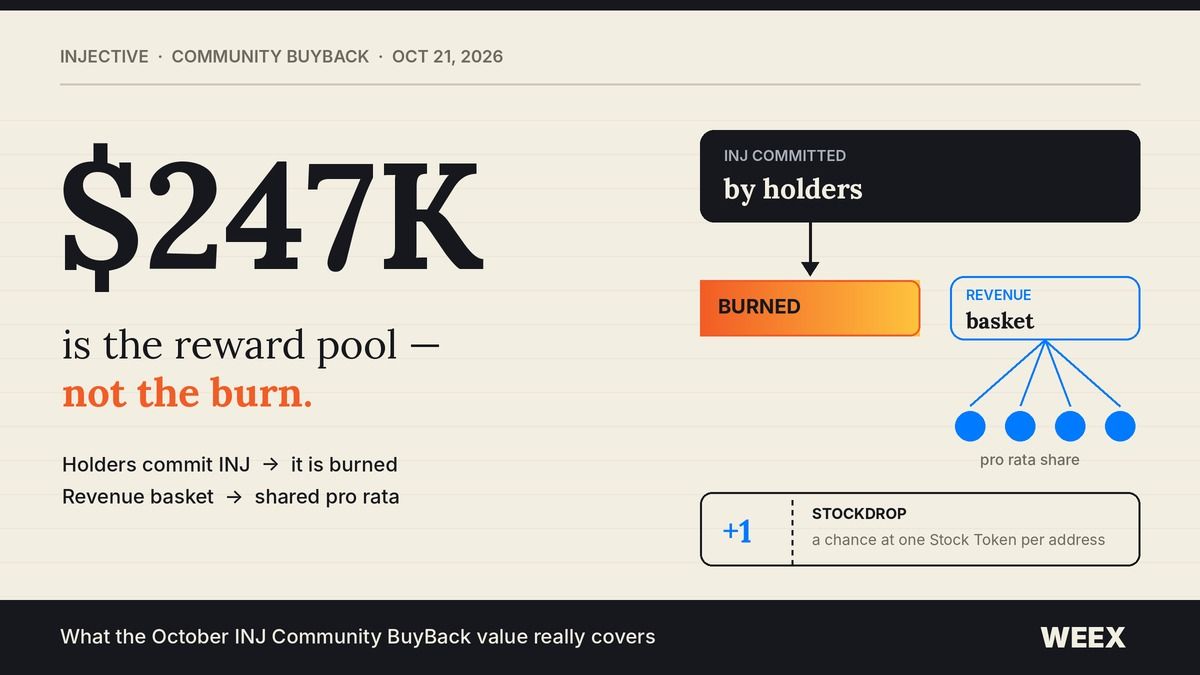
INJ Community BuyBack: What the $247K October Pool Really Means
What Is Leverage Trading in Crypto? A Beginner’s Guide With Simple Examples
What Is Crypto Margin Trading? How It Works, How It Differs From Futures and What Can Go Wrong
Crypto Leverage Trading Explained: How Perpetual Futures, Margin and Liquidation Work

Best Crypto Leverage Trading Platform: Things to Compare Before You Choose an Exchange
Nvidia Stock This Week: Why NVDA Fell Then Bounced and What AI Funding Worries Mean for Chip Stocks
Is My Pre-4.26.4 Qubic Wallet Unsafe? Recovery After the Network Restart
Are Tokenized Stocks Backed by Real Shares? What Holders Own
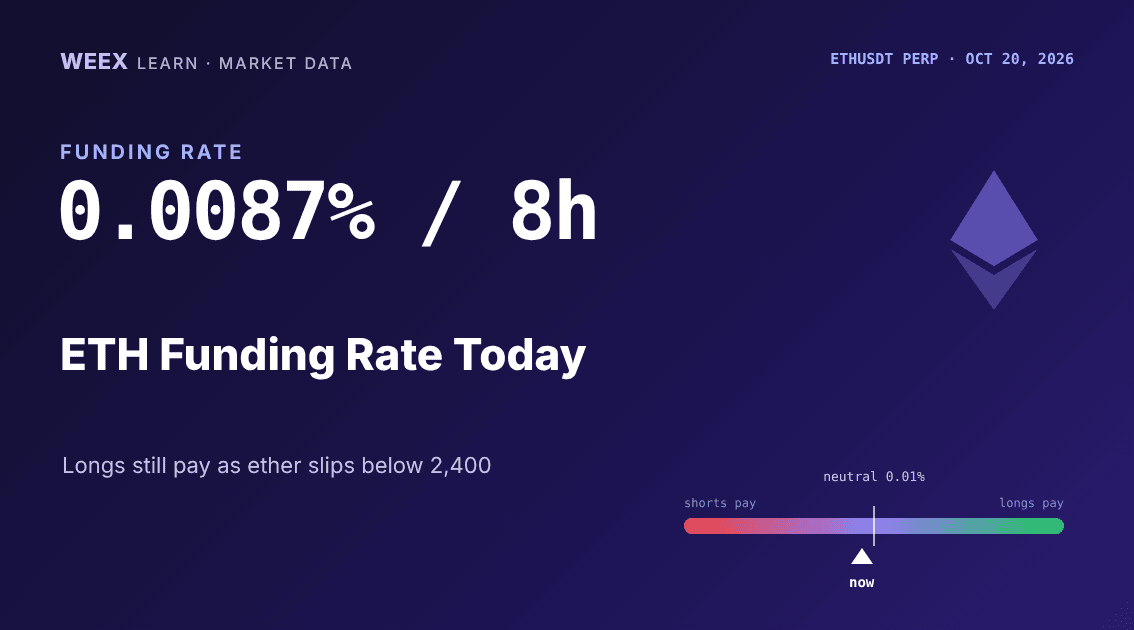
ETH Funding Rate Today: 0.0087% per 8h as Ether Longs Re-Lever
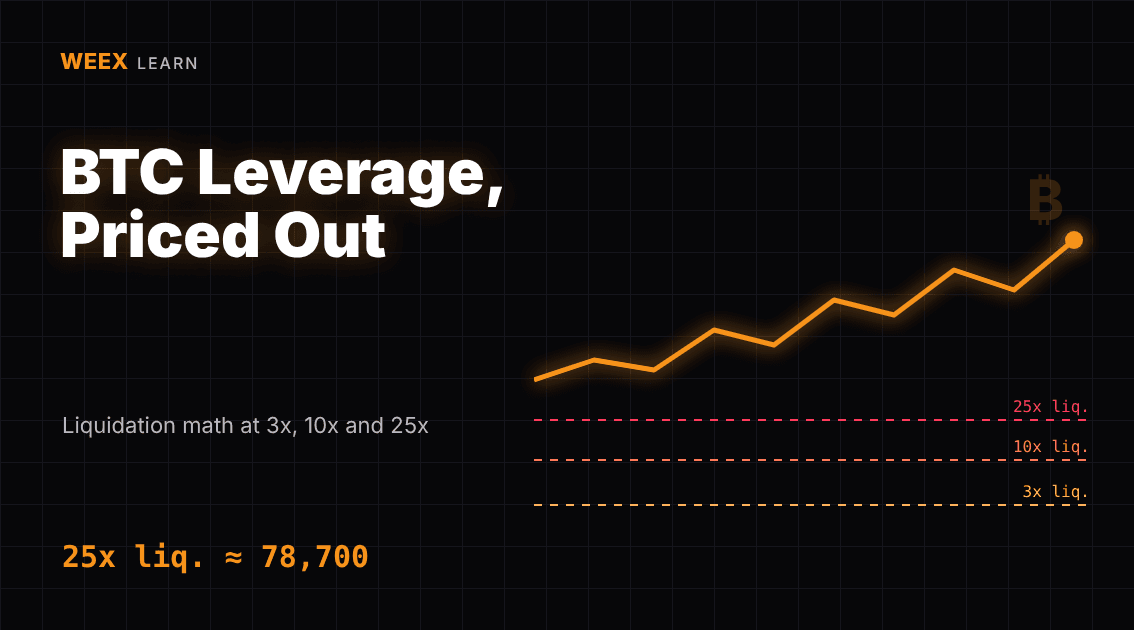
Bitcoin Margin Trading: BTC Liquidation Math at 3x, 10x and 25x
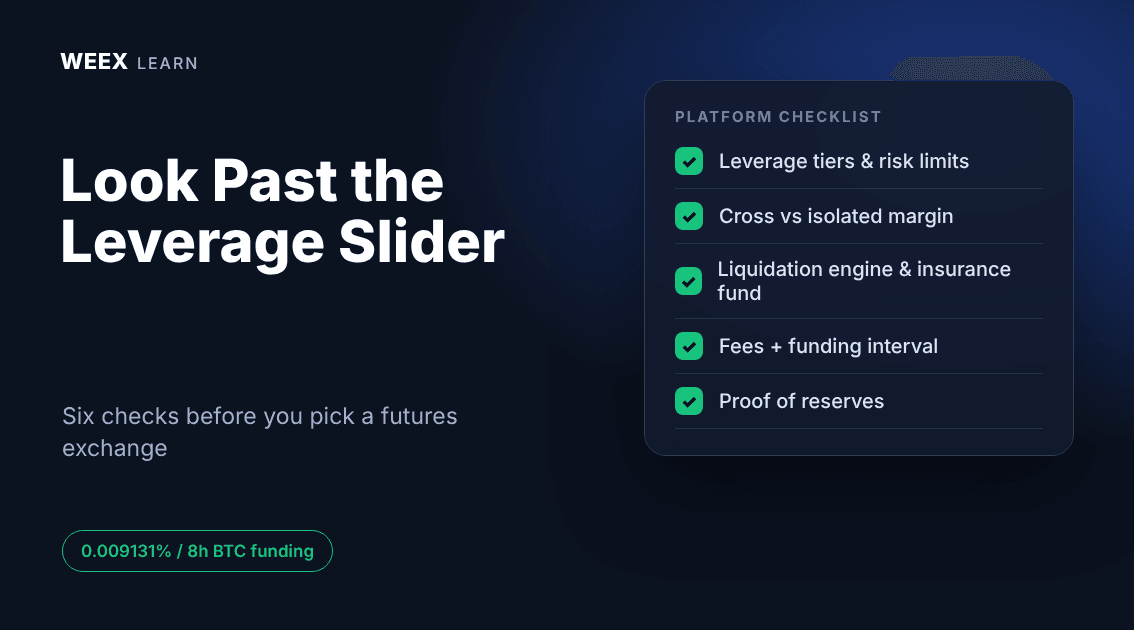
Crypto Leverage Trading Platform: 6 Checks Before You Deposit
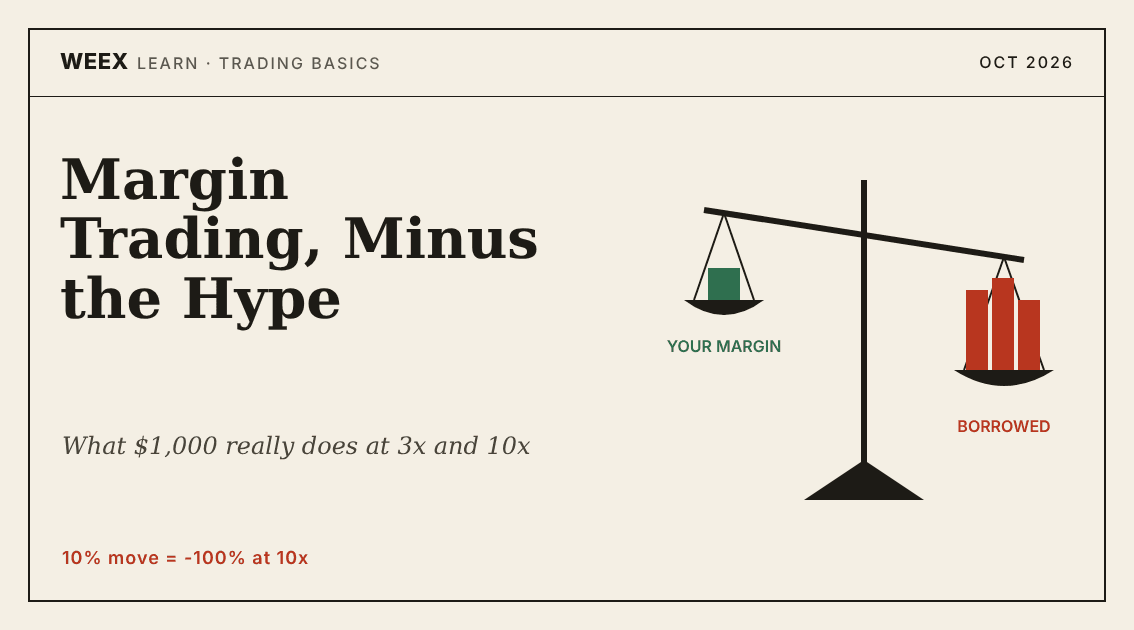
What Is Margin Trading? A $1,000 Example at 3x and 10x Leverage

The 17 October 2026 DBR Unlock: Six Allocations and deBridge's Vesting Schedule
What Is Staking? 4 Myths to Clear Up Before You Stake Crypto
Why Does Bitcoin (BTC) Drop? How to Read a BTC Liquidation Heatmap Without Guessing the Bottom
FICO vs VantageScore: What the New Fannie Mae and Freddie Mac Rule Actually Means for Your Mortgage
Grok 4.7 Explained: How to Check Release and Performance Claims
Fable 5.1: What Anthropic's New Model Means for AI Tokens
Is OPAI.PVT OpenAI's Real Stock Symbol? What Investors Need to Know Before the IPO 2026