
DeFi Vault vs Staking: Who Controls Your Yield and Your Exit?
FAQ
By: WEEX|10/14/2026 03:45:00
0
Share
 Prefer us on Google


Key Takeaway
- A DeFi vault pools your crypto into a smart contract that runs a strategy, such as lending.
- Staking commits coins to a proof-of-stake network for rewards.
- The biggest difference is who controls your exit. In a vault, a strategy or curator decides. On WEEX Staking, flexible products can be redeemed anytime.
What Is the Difference Between a DeFi Vault and Staking?
A DeFi vault is a smart contract that takes deposits and puts them to work in other protocols. Staking earns rewards for helping secure a blockchain. Vault yield depends on a strategy. Staking rewards depend on the network and the product you choose.
- DeFi vault: you deposit from your own wallet and receive vault shares. A curator or code moves funds between markets.
- Staking on WEEX: you subscribe in the app. Rewards are paid in the coin you stake.
Where the Yield Comes From
DeFi vault yield usually comes from borrowers paying interest, trading fees, or token incentives. That yield moves with demand and can fall quickly. Staking rewards come from the network itself.
Some vaults raise yield by lending against riskier collateral or borrowing to loop positions. Higher yield often means more layers of risk. A vault's headline rate does not show how its funds are used, so read the strategy before you deposit.
-- Price
--
--
--
Who Can Stop You From Withdrawing
In a DeFi vault, your exit depends on available liquidity and curator decisions. If borrowers have taken out every dollar, there is nothing left to withdraw. Flexible WEEX Staking lets you redeem anytime.
This happened in November 2025. A depegged stablecoin spread losses across lending vaults:
- Gauntlet paused withdrawals on one of its Compound vaults.
- Dozens of Morpho vaults reached 100% utilization, so withdrawals were impossible.
- Curated vault deposits fell from a peak of about 10 billion USD within days.
Fixed-term WEEX Staking has its own exit rule. Redeeming before maturity forfeits all rewards for the term.
What Each Route Costs You
DeFi vaults usually cost more to use than staking on an exchange. You pay network fees to deposit and withdraw. Many vaults also charge management or performance fees.
Other costs to weigh:
- Self-custody: you manage your own wallet and approvals. A mistake can be permanent.
- Smart contract risk: a bug or exploit can drain a vault.
WEEX Staking has no network fees to subscribe. Your coins are held by WEEX, so exchange platform risk applies. WEEX publishes its Proof of Reserves.
Which One Fits Your Crypto
The right choice depends on how much risk you can monitor. DeFi vaults suit users who read strategies, track curators, and manage wallets. Staking suits users who want simple rewards and a clear exit.
- You want rewards with little upkeep: flexible WEEX Staking.
- You can audit strategies and accept withdrawal delays: a DeFi vault may fit.
- You want both: keep most funds in staking and test vaults with a small share.
Neither route protects your principal. Coin prices, rates, and strategy results can all change.
Compare current staking products on the WEEX Staking page.
FAQ
- Is a DeFi vault the same as staking?No. A DeFi vault runs a strategy, such as lending, with pooled deposits. Staking earns rewards for helping secure a proof-of-stake network.
- Can I always withdraw from a DeFi vault?No. If a vault's funds are fully lent out or a curator pauses withdrawals, you may have to wait.
- Can I withdraw flexible WEEX Staking anytime?Yes. Flexible WEEX Staking can be redeemed anytime. Fixed-term products forfeit rewards if redeemed early.
- Why do DeFi vaults often show higher yields than staking?Many DeFi vaults add risk to raise yield, such as riskier collateral or borrowed positions. Higher yield usually means more ways to lose funds.
This content is provided for general informational purposes only and doesn't constitute financial, investment, legal, or tax advice. Any events, rewards, online promotions, or related information mentioned herein should not be considered a recommendation, solicitation, or invitation to purchase, sell, trade, or otherwise deal in any crypto assets. Crypto assets are highly volatile and may result in loss. The availability of WEEX services, products, and related events may vary by region. You are responsible for ensuring that your participation is in accordance with applicable local laws and regulations.
You may also like

Who Is Attending TOKEN2049 Singapore 2026? Top Speakers, Exchanges and Exhibitors to Watch
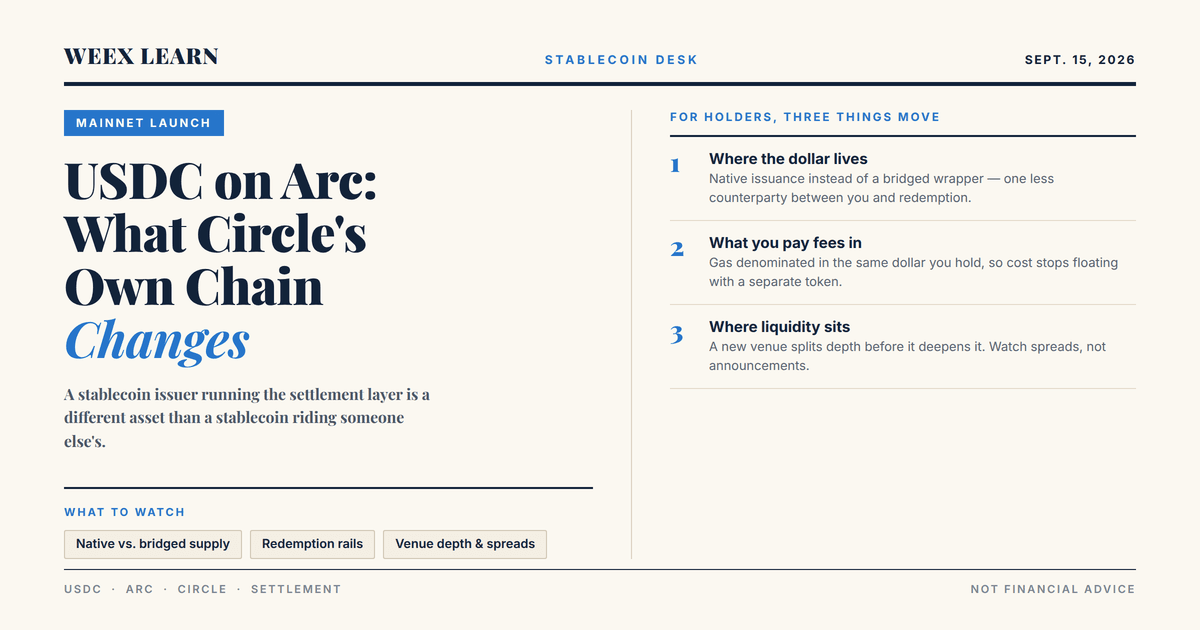
USDC on Arc: What Circle's Mainnet Launch Changes for Holders

Robinhood Built a Chain for Tokenized Stocks: Did It Just Become a Meme Coin Casino?

What Is TermMax (TMX)? Inside the New Fixed-Rate DeFi Token Launching Today
Amid the boom in stablecoin investments, which stablecoins are worth keeping an eye on?

What Is Morpho (MORPHO) and How Does It Work?

WEEX Convert Guide: How to Swap Crypto on Web and App and What the Quote Really Means
ASML Stock Falls Despite a Record Q3 and Higher Outlook: Is the AI Chip Equipment Boom Already Priced In?

SKHY Stock Falls Again: Is the SK Hynix Selloff About China’s CXMT and YMTC or AI Profit-Taking?

What Is a Limit Order? How It Works and When to Use It
Best Crypto Miner for Beginners: What to Check on Cost, Power, Hashprice and Profit Before You Buy
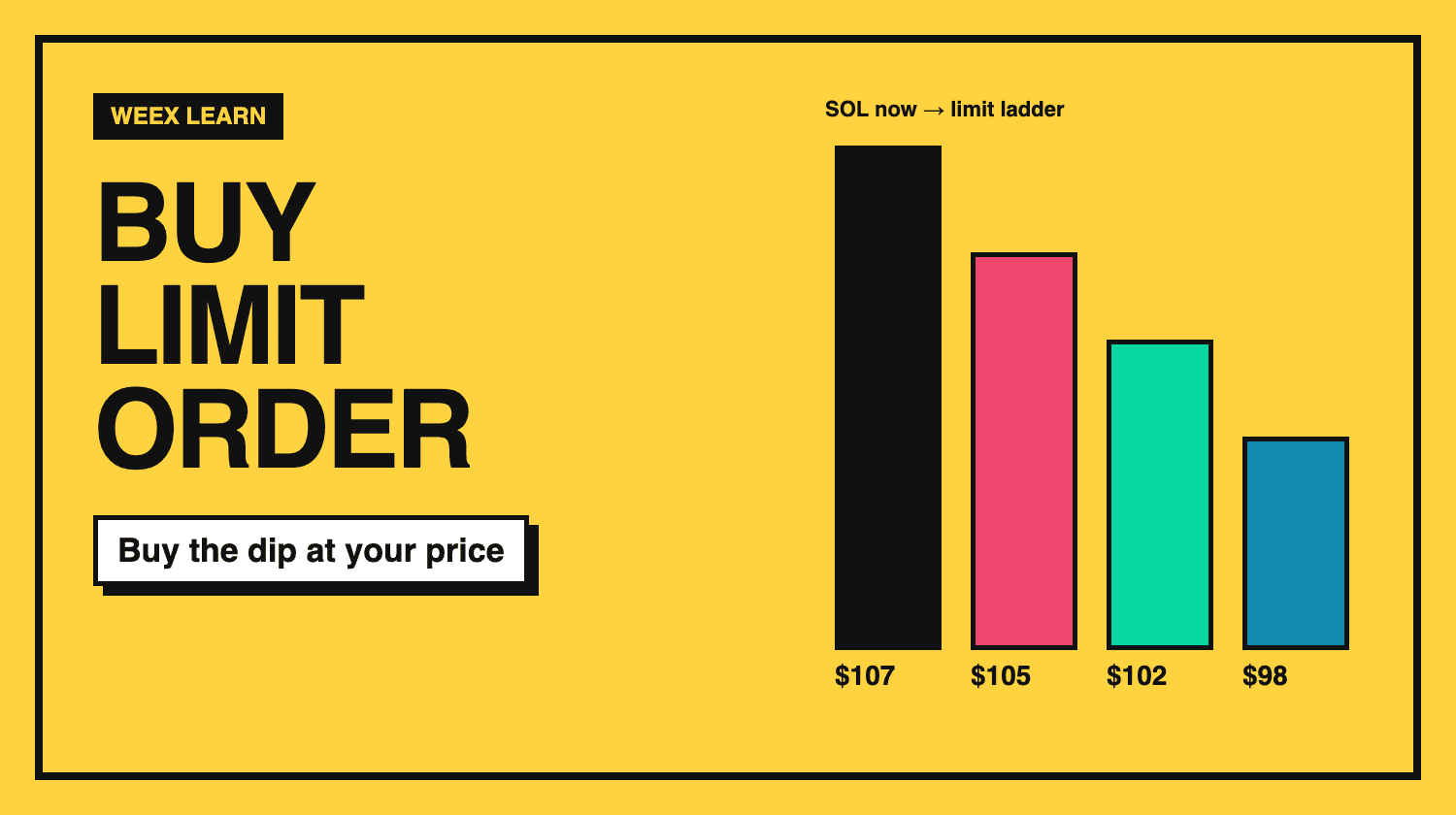
Buy Limit Order: How to Buy Crypto Below the Market Price
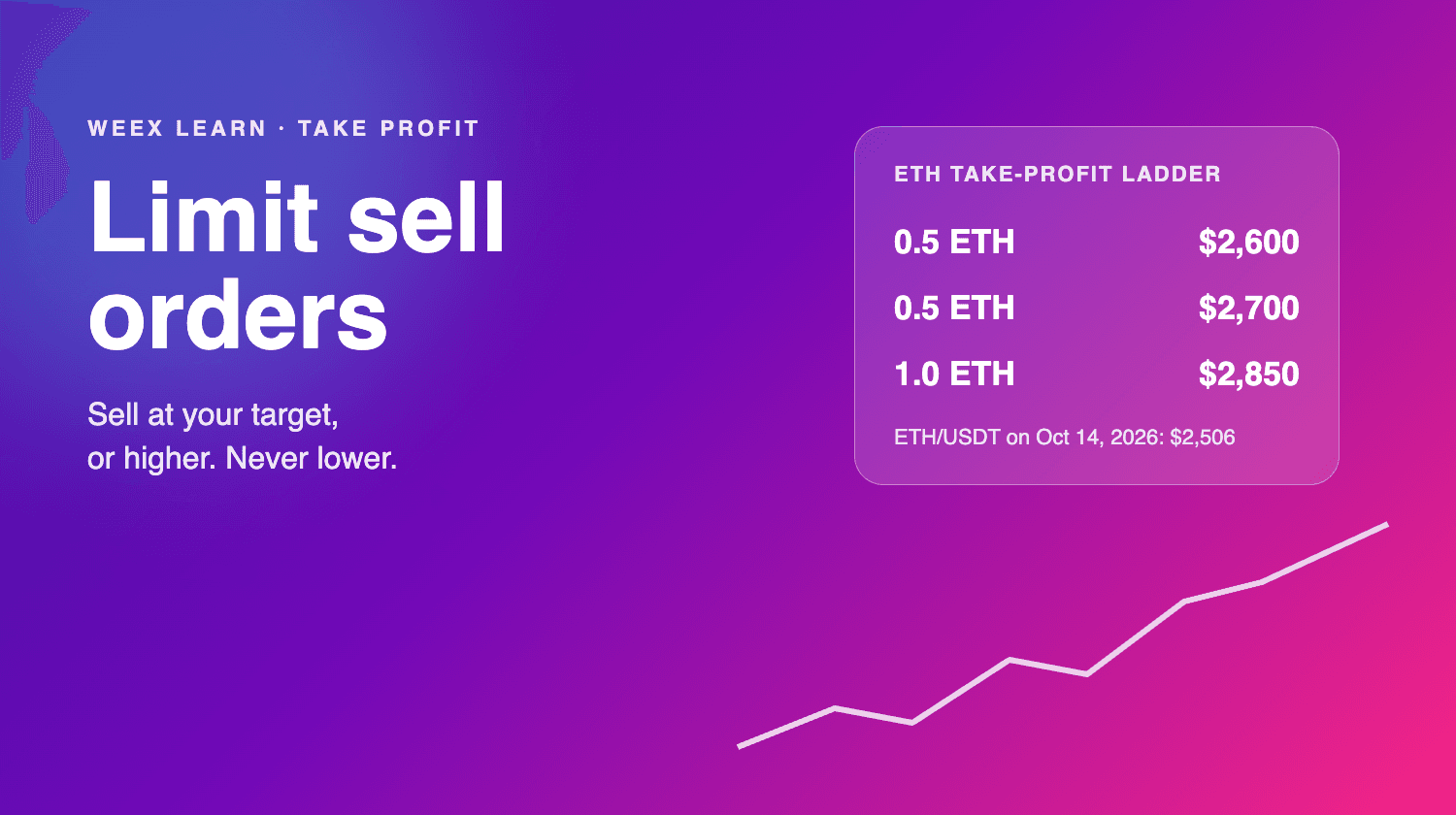
Limit Sell Order: How to Set a Take-Profit Price in Crypto

Limit Order vs Market Order: Which One to Use When Trading Crypto
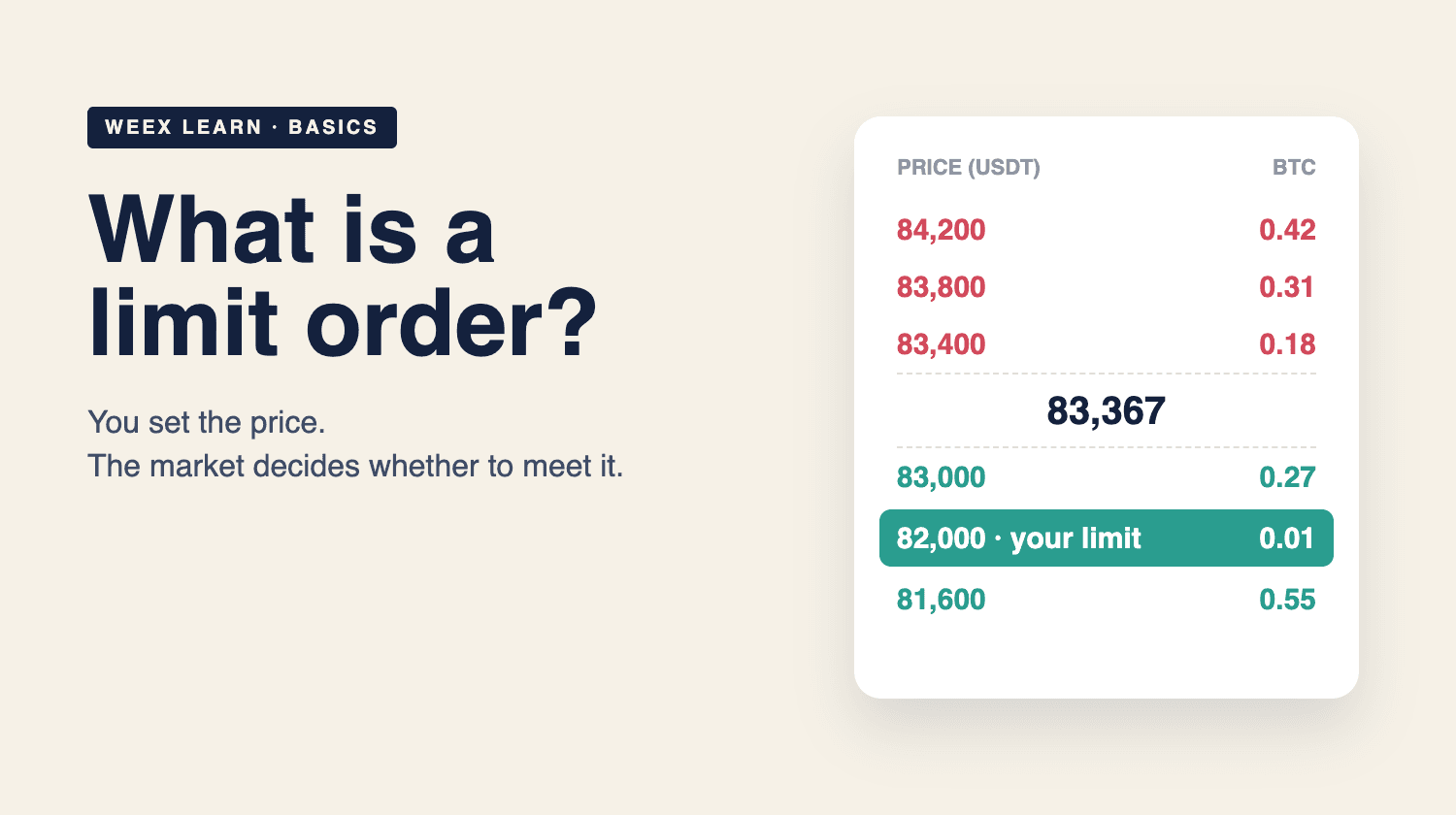
What Is a Limit Order? How It Works in Crypto With BTC Examples

OP Price and Unichain's OP Enterprise Move: What It Means for OP
Nvidia Stock Falls After Microsoft's Maia 300: Is Custom Silicon a Real Threat to NVDA?

SpaceX Stock (SPCX) Near $163: Can It Reclaim $176 After Pivotal Lifts Its Target to $230?

MSFT Stock Near $542: What Azure Maia 300 Actually Claims and What Still Needs Proof
MU Stock Falls Below $1,000: Is the CXMT Threat Real or Just an Excuse to Take Profits?
Can META Reach $1,000? What Wells Fargo, Jefferies and Bernstein Targets Say About Meta Stock

Meta Stock Jumps as Muse AI Retention Data Lands: Is META Pricing In an AI Agent Win?

Stop Limit Order: How It Works and Why It Can Fail to Fill

Best Crypto Platform for Beginners: Pick by Goal, Not Brand

Best Crypto Podcasts for Beginners: A 4-Week Listening Plan
Best Cold Wallet Crypto for Beginners: 5 Picks Under $150
ETH Staking on WEEX vs On-Chain: Queues, Minimums, and Keys

Will Bitcoin Break $87,000 This Week? CPI, Fed Speakers and ETF Outflows to Watch
Conflux (CFX) Price Jumps on China's National Blockchain Network Plan: Does the Policy Actually Name CFX?

What Is Plume (PLUME)? Why the RWA Token Stays 93% Below Its High Even After the Layer 2 Rally
Who Is Attending TOKEN2049 Singapore 2026? Top Speakers, Exchanges and Exhibitors to Watch
USDC on Arc: What Circle's Mainnet Launch Changes for Holders
Robinhood Built a Chain for Tokenized Stocks: Did It Just Become a Meme Coin Casino?
What Is TermMax (TMX)? Inside the New Fixed-Rate DeFi Token Launching Today
Amid the boom in stablecoin investments, which stablecoins are worth keeping an eye on?
What Is Morpho (MORPHO) and How Does It Work?
...
Contents
Popular coins
Latest articles


10/14/2026


10/14/2026



10/13/2026


Customer Support:@weikecs
Business Cooperation:@weikecs
Quant Trading & MM:bd@weex.com
VIP Program:support@weex.com
