
Why Is CoreWeave (CRWV) Stock Falling? Debt, Bond Yields and What Analysts Say

 Prefer us on Google

CoreWeave (CRWV) stock fell about 11% to 12% on October 16, 2026, to roughly $61, and was on track for a weekly loss of about 20% to 25%, depending on the source. The drop left CoreWeave close to its 52-week low of $60.55.
CoreWeave is an AI cloud company that rents out data center capacity built around Nvidia chips, and the sell-off centered on how it pays for that expansion. Reuters put the CoreWeave debt load at about $50 billion, and the cost of insuring that debt rose to a record, which turned a stock decline into a wider question about AI funding.
What Is CoreWeave and How Does It Make Money?
CoreWeave is a Nasdaq-listed AI cloud provider that sells access to data centers used to build and run AI models. It was founded in September 2017 as a crypto miner and later pivoted to cloud infrastructure, according to a Yahoo Finance report from its IPO. The company listed on Nasdaq under the ticker CRWV, and Yahoo reported an IPO price of $40 per share, below the expected range of $47 to $55, with trading due to begin on March 28, 2025.
CoreWeave earns money by renting computing capacity to customers that need Nvidia-powered servers, and it depends heavily on a small number of large clients. At the time of its IPO, Microsoft was its biggest customer at 62% of 2024 revenue, and CoreWeave reported $1.9 billion in 2024 revenue and a net loss of $863 million, with about $8 billion of debt at the end of 2024. Those figures are more than a year old, and the debt picture has changed since.
Why Did CoreWeave Stock Fall in the Week of October 16?
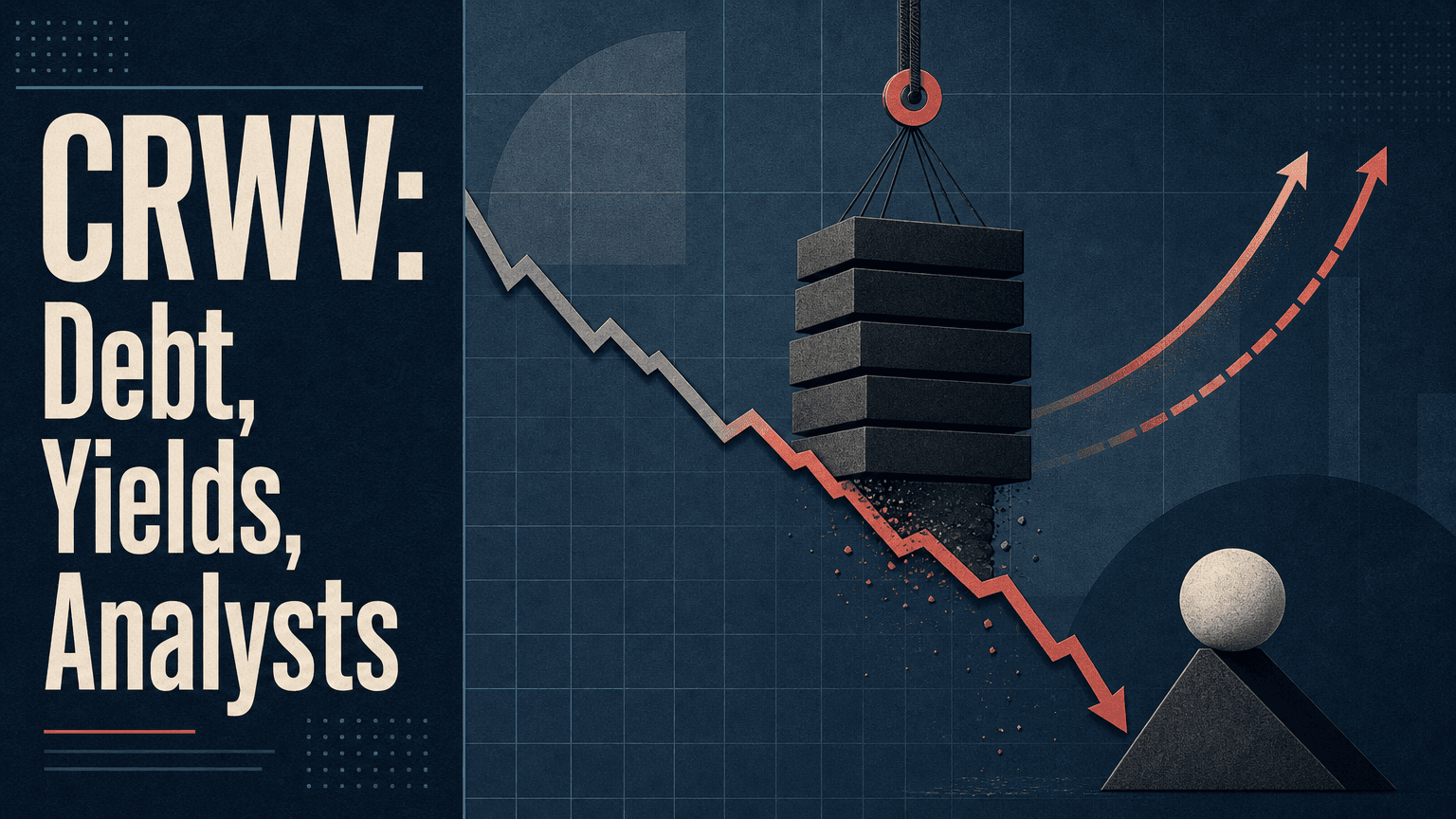
CoreWeave stock fell because investors worried about the company’s debt, rising bond yields and whether AI data centers will earn enough to repay what was borrowed. Benzinga reported that CoreWeave was down 11.28% at $61.83 on Friday, October 16, with a weekly drop of about 20%, while Yahoo Finance reported a fall of about 12% to roughly $61 and a weekly loss of around 25%. The gap comes from different measurement times and reference points.
Several reasons were cited. Benzinga pointed to rising bond yields, a Gartner forecast that AI data centers may struggle to earn adequate returns, and concerns about excess capacity and debt-funded expansion. Yahoo added that Nvidia chief executive Jensen Huang’s supportive comments on October 15 did not sustain a rebound, and that peer Nebius also fell about 12% that day. Reuters tied the weakness to rate-hike fears hitting the AI bet. No source reviewed gives a single cause.
What Do CoreWeave’s Bond Yields and Default Swaps Say?
CoreWeave’s bonds and default insurance suggest that credit investors became more worried at the same time as stock investors. Yahoo Finance, citing Bloomberg, reported that CoreWeave bond yields were near 15% and that the cost of credit default swaps rose to a record 1,194.5 basis points. Bloomberg said that level implies more than a 60% chance of default over five years, which is Bloomberg’s estimate and not a prediction by CoreWeave or by this article.
Reuters reported that both the stock and the bond were set for steep weekly losses on October 16, and that the roughly $50 billion debt load had rippled across the AI industry. A CNBC piece published the same day pointed to the credit default swap market as the place to look for clues. A credit default swap is a contract that pays out if a borrower defaults, so a higher price means the market sees more risk. These figures describe market pricing on October 16 and can change quickly.
-- Price
What Do Analysts Say About CoreWeave After the Drop?
Analysts at Cantor Fitzgerald and JPMorgan kept positive ratings and argued that the market is focusing too much on debt, while a Gartner forecast raised doubts about returns. Cantor’s Brett Knoblauch maintained an overweight rating and a $176 price target and recommended buying the dip. He said nearly all of CoreWeave’s 2027 capacity is already sold, that Nvidia backstops unsold capacity, that revenue per megawatt and contribution margins are rising, and that AI chip payback periods have shortened to 2 to 2.5 years. JPMorgan’s Samik Chatterjee kept an overweight rating and said fears about debt and cash flow are overblown, according to Benzinga.
The cautious view comes from Gartner, which Benzinga reported projects about $3.6 trillion in AI revenue through 2030 against the $8.5 trillion needed for a 12% return. These are opinions and forecasts, not confirmed outcomes, and analyst ratings have been wrong in both directions. The gap between a price near $61 and a target of $176 mainly shows how far views have diverged.
What Is Confirmed and What Should Readers Watch Next?
The confirmed facts are the price drop on October 16, the stock’s proximity to its 52-week low and the reported rise in bond yields and default swap costs, while the cause, the true default risk and the recovery path remain uncertain. Benzinga and Yahoo agree on the direction and size of the Friday move, and Reuters, Yahoo and Benzinga agree that debt and funding were central to the sell-off.
Several things remain unclear. Weekly loss estimates differ between 20% and 25%, the default probability is a model-based estimate, and the analyst targets are opinions. What happened to CoreWeave stock after October 16 was not reviewed for this article, so readers should check the latest quote. Items to watch include bond yields, the U.S. Federal Reserve meeting on October 27 to 28 listed by Finwire, and other AI-related stocks.
How Can Traders Follow CoreWeave on WEEX?
Traders who follow CoreWeave can trade CRWV on WEEX, where the CRWV page shows the trading details. A stock that falls more than 10% in a day and then trades near its 52-week low can move in either direction within hours, which makes position size and exit levels more important than any single headline about debt or analyst targets.
Trading CRWV on WEEX gives exposure to the price and is not the same as owning CoreWeave shares. Depending on the product, it can involve leverage, liquidation and funding fees, so the contract terms on the page are worth reading first, and pair availability can change. WEEX also maintains a 1,000 BTC protection fund, which adds a layer of safeguard but does not remove market risk.
Conclusion
CoreWeave stock fell about 11% to 12% on October 16, 2026 and lost roughly 20% to 25% that week, driven by worries about its roughly $50 billion debt, bond yields near 15% and a record cost of default insurance. Cantor and JPMorgan argued the reaction is overdone, while the Gartner forecast cited by Benzinga questioned whether AI data centers will earn enough to repay what was borrowed.
Readers following CoreWeave can check the latest price, bond yields and company disclosures, and treat analyst targets as opinions. A stock with this much debt and this much attention can move sharply in both directions.
FAQ
1. What is CoreWeave?
CoreWeave is a Nasdaq-listed AI cloud company that rents Nvidia-powered data center capacity. It was founded in 2017 as a crypto miner and trades under CRWV.
2. Why is CoreWeave stock falling?
CoreWeave stock fell on worries about its debt of about $50 billion, rising bond yields and AI returns. No source reviewed gives a single cause.
3. How much did CoreWeave stock fall?
CoreWeave fell about 11% to 12% on October 16, 2026 and about 20% to 25% that week, depending on the source.
4. What do analysts say about CoreWeave?
Cantor Fitzgerald kept an overweight rating with a $176 target, and JPMorgan also kept overweight. Both say fears about CoreWeave debt are overblown.
5. Can I trade CoreWeave on WEEX?
Yes, WEEX lets users trade CRWV. It gives price exposure and not share ownership, so check the WEEX trading page for terms and risks.
This content is provided for general informational purposes only and doesn't constitute financial, investment, legal, or tax advice. Any events, rewards, online promotions, or related information mentioned herein should not be considered a recommendation, solicitation, or invitation to purchase, sell, trade, or otherwise deal in any crypto assets. Crypto assets are highly volatile and may result in loss. The availability of WEEX services, products, and related events may vary by region. You are responsible for ensuring that your participation is in accordance with applicable local laws and regulations.
You may also like
BTC Funding Rate and Open Interest: What Each One Measures and How to Read Them Together

What Is Pearl (PRL) Crypto and How Does Its Mining Work?
What Happened to Aergo (AERGO) Crypto? Token Migration and What Holders Should Do
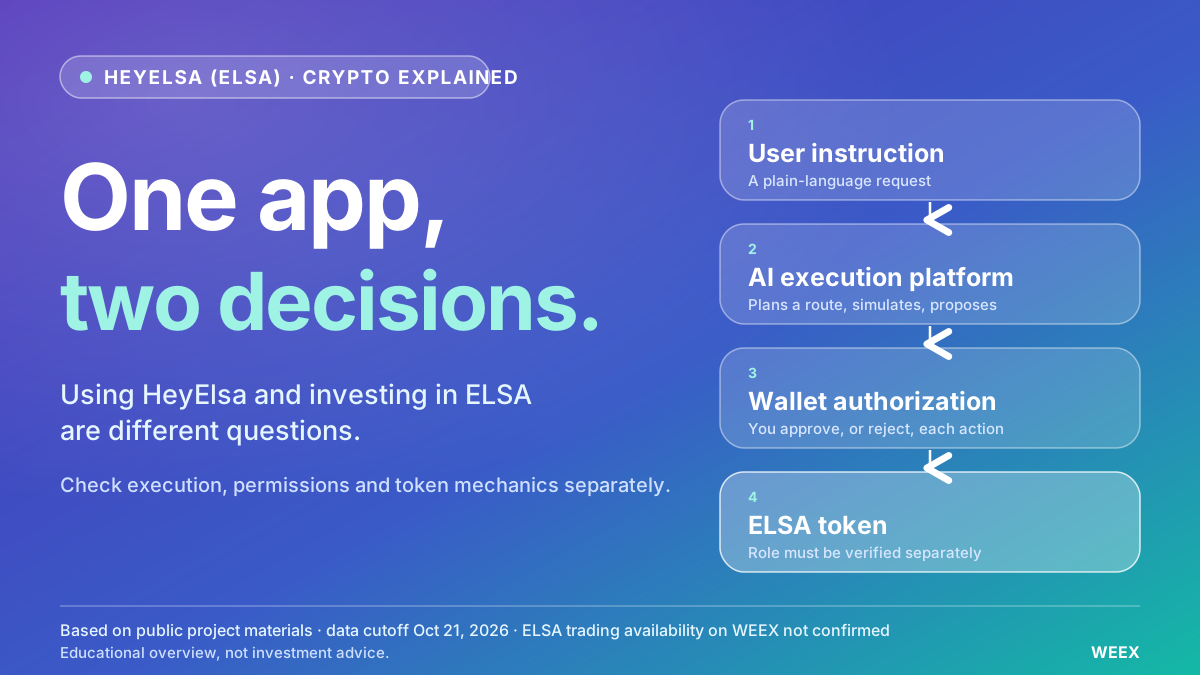
What Is HeyElsa (ELSA) Crypto and How Does It Work?

Stake ETH or Hold USDT on WEEX? The Price Move That Decides It
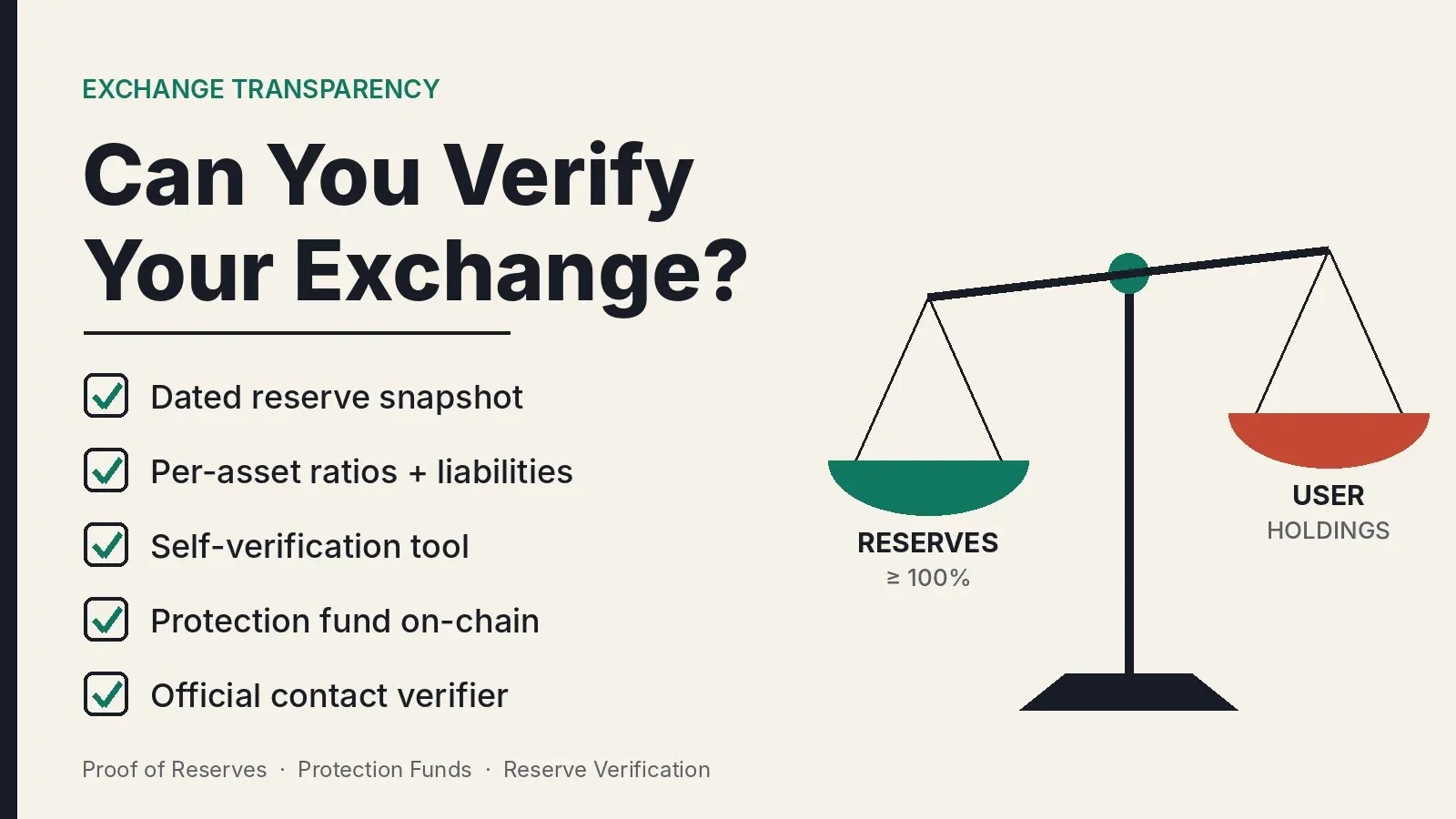
How Transparent Is a Crypto Exchange? Checking Proof of Reserves and Protection Funds
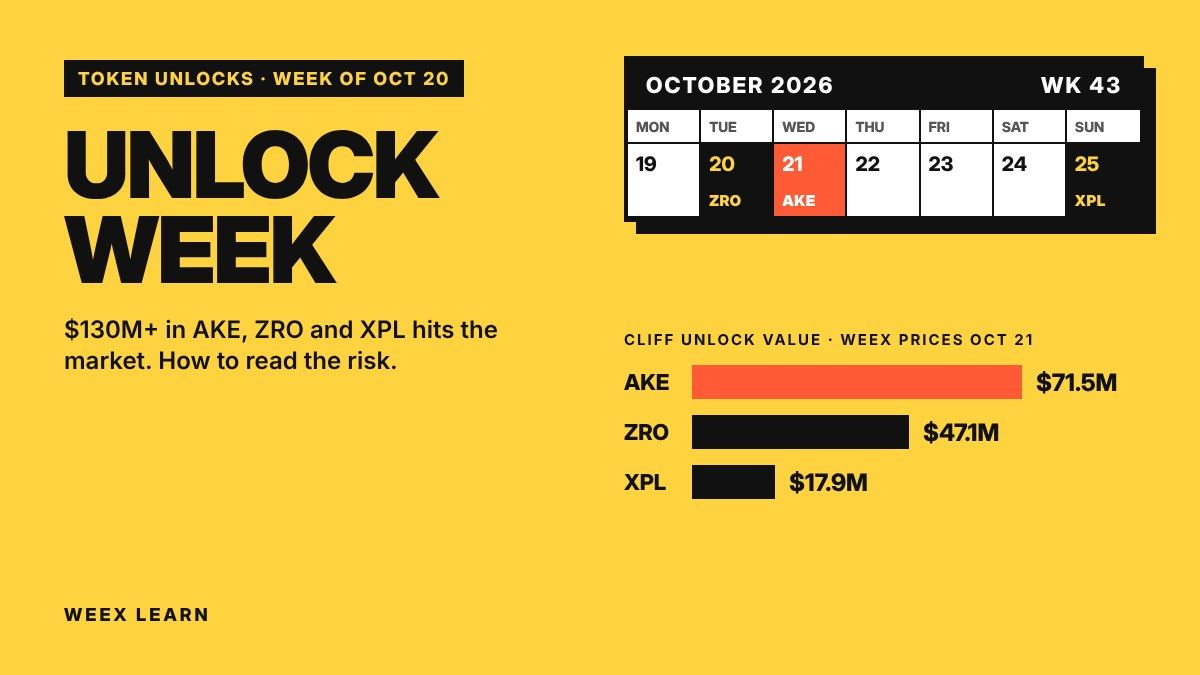
Token Unlocks This Week: How to Read AKE, ZRO and XPL Releases
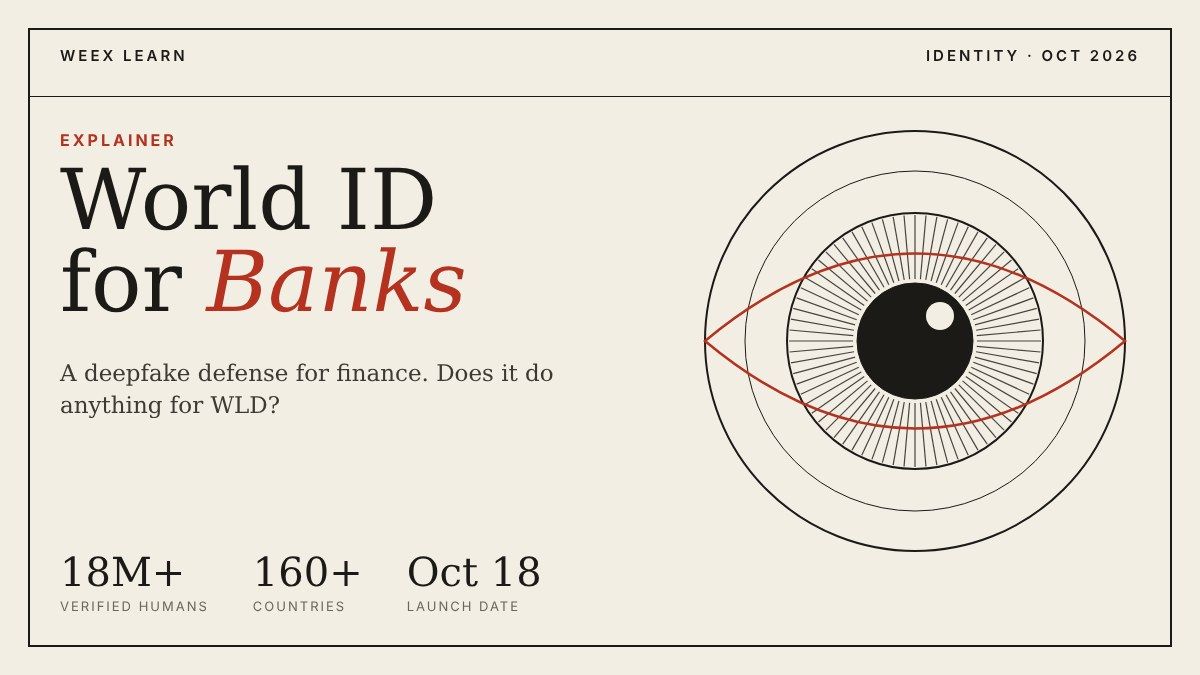
World ID for Banks: What the New Suite Means for WLD Holders
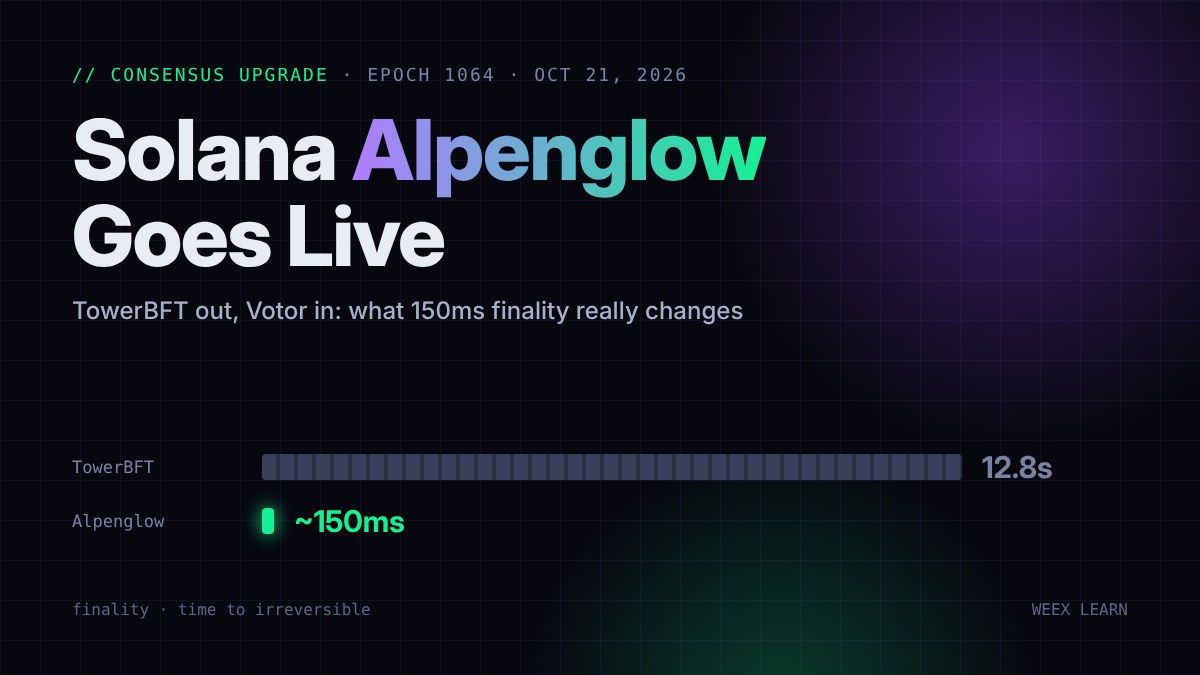
Solana Alpenglow Upgrade: What Changes When Finality Hits 150ms
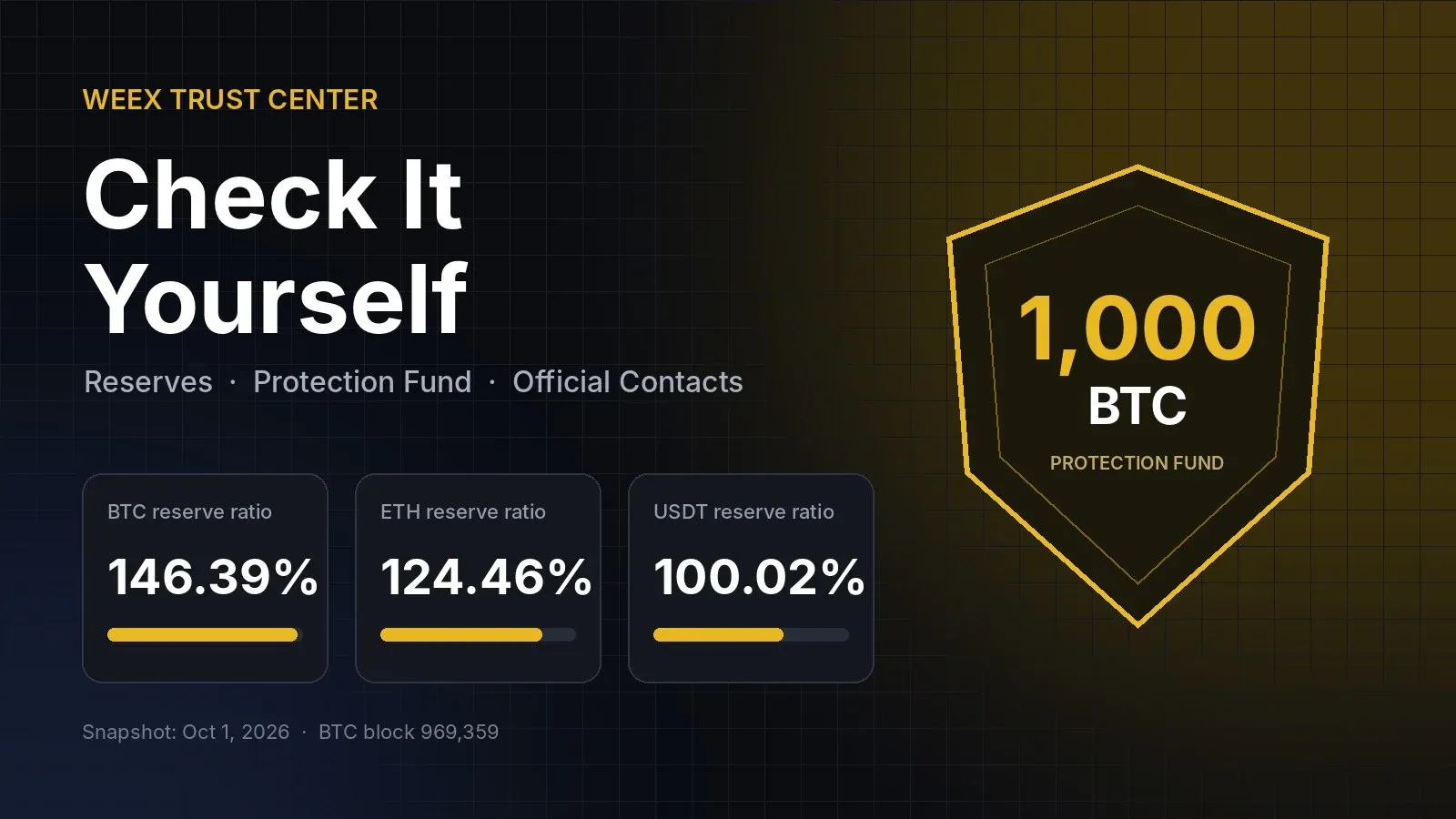
How to Use the WEEX Trust Center: Check Reserves, Protection Fund and Official Contacts
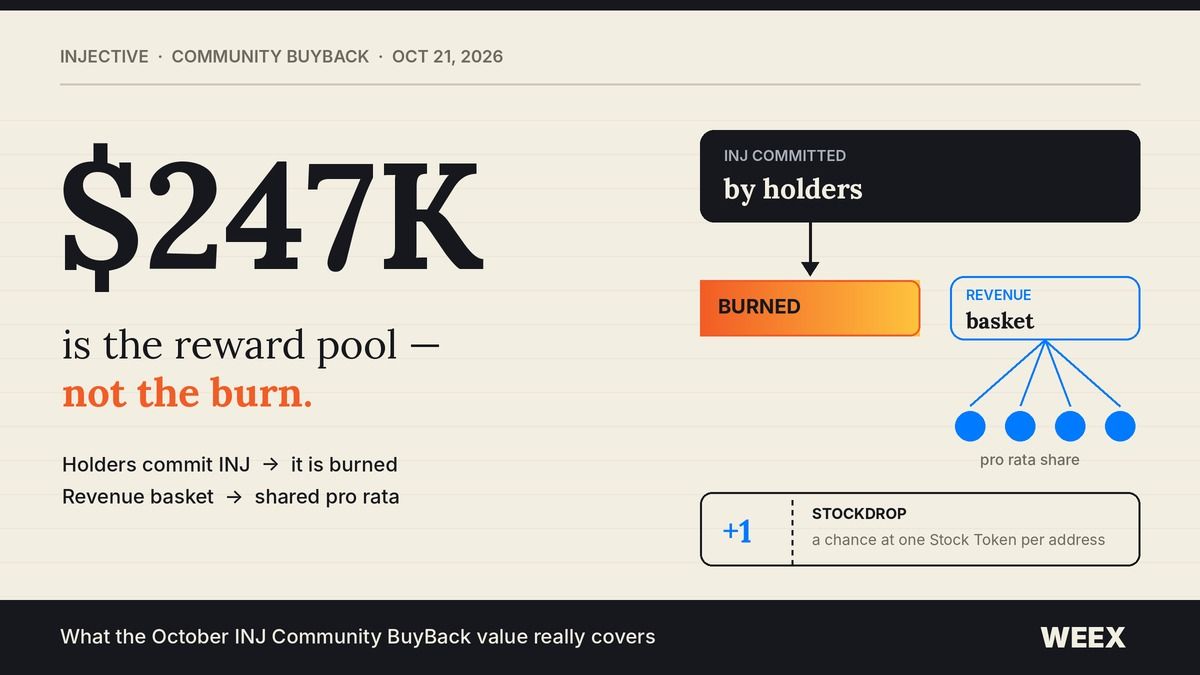
INJ Community BuyBack: What the $247K October Pool Really Means

What Is Leverage Trading in Crypto? A Beginner’s Guide With Simple Examples
What Is Crypto Margin Trading? How It Works, How It Differs From Futures and What Can Go Wrong
Crypto Leverage Trading Explained: How Perpetual Futures, Margin and Liquidation Work

Best Crypto Leverage Trading Platform: Things to Compare Before You Choose an Exchange
Nvidia Stock This Week: Why NVDA Fell Then Bounced and What AI Funding Worries Mean for Chip Stocks
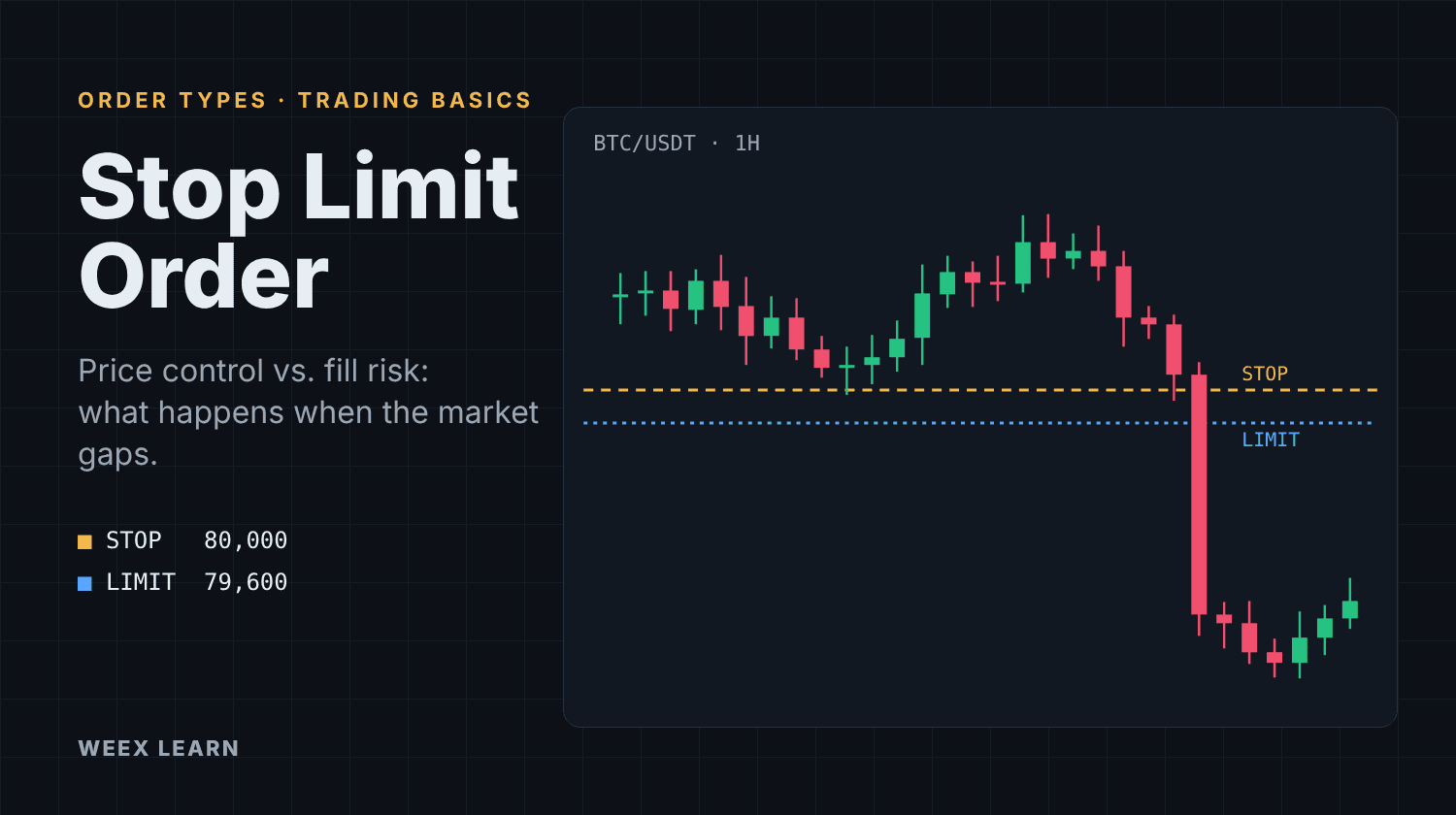
Is My Pre-4.26.4 Qubic Wallet Unsafe? Recovery After the Network Restart

WXT Staking When Supply Shrinks: What Burns Add to Your Yield
Are Tokenized Stocks Backed by Real Shares? What Holders Own
ETH Funding Rate Today: 0.0087% per 8h as Ether Longs Re-Lever
Bitcoin Margin Trading: BTC Liquidation Math at 3x, 10x and 25x
Crypto Leverage Trading Platform: 6 Checks Before You Deposit
What Is Margin Trading? A $1,000 Example at 3x and 10x Leverage

The 17 October 2026 DBR Unlock: Six Allocations and deBridge's Vesting Schedule
Fake Crypto Payments: What to Check Before Handing Over Goods
What Is Leverage in Trading? How Leverage Ratios Like 5x and 10x Work and What They Do to Your Risk
What Is Leverage Trading? A Beginner’s Guide to Margin, Liquidation and Funding Fees
Is RSI a Good Indicator? How the Relative Strength Index Works, Its Limits and How Traders Use It
CXMT Stock Explained: What Is ChangXin Memory, Why It Fell on October 19 and What to Watch Next
KOSPI Whipsaw Explained: Samsung, SK Hynix and the AI Spending Doubts Behind the Swing
BTC Funding Rate and Open Interest: What Each One Measures and How to Read Them Together
What Is Pearl (PRL) Crypto and How Does Its Mining Work?
What Happened to Aergo (AERGO) Crypto? Token Migration and What Holders Should Do
What Is HeyElsa (ELSA) Crypto and How Does It Work?
Stake ETH or Hold USDT on WEEX? The Price Move That Decides It
How Transparent Is a Crypto Exchange? Checking Proof of Reserves and Protection Funds
Contents
Popular coins
Latest articles


