Is OPAI.PVT OpenAI's Real Stock Symbol? What Investors Need to Know Before the IPO 2026

 Prefer us on Google
What Traders Are Getting Wrong Right Now
The short answer is no: OPAI.PVT is not a stock symbol issued by any exchange, and treating it as one is the single most common mistake investors make when they first search for a way to buy into OpenAI. It is a data-vendor convention, built by platforms like Yahoo Finance in partnership with private-market pricing services, to give a searchable entry point for a company that has never filed for a public listing. Our structural take is that this mistake persists because the interface design around these labels deliberately mimics a real quote page, complete with a price and a daily move, which trains users to treat modeled data as market data. Before anyone acts on a number attached to OPAI.PVT, it is worth understanding exactly what the label is, where its price comes from, and why it cannot be bought the way a normal ticker can.
Where Did the OPAI.PVT Label Actually Come From?
Data platforms invented labels like OPAI.PVT to solve a display problem, not a regulatory one: heavily searched private companies needed some kind of standardized entry so pricing tools could show consistent information, even without an actual exchange listing behind it. No government body, exchange, or regulator assigned this code to OpenAI.
A Naming Convention, Not a Listing
The ".PVT" suffix functions as a category tag rather than part of a real ticker, signaling to the platform's own systems that the underlying pricing is private-market data rather than a live exchange feed. A recent explainer addressing this exact confusion pointed out that codes like OPAI.PVT exist purely so a platform can display private-market information under a searchable identifier, and seeing one is not evidence that the company can actually be traded through ordinary channels. This distinction gets lost quickly once the label appears next to a moving price and a percentage change, which is precisely the visual language investors associate with tradable securities.
Is the Price Attached to OPAI.PVT Trustworthy?
The number is a legitimate estimate built from real transaction data, but it is a modeled valuation rather than a live, executable quote, and the difference matters enormously for anyone trying to use it to make a decision. Modeled estimates can and do disagree between providers, which is itself a useful signal that no single number should be treated as definitive.
Two Providers, Two Different Numbers
Yahoo Finance's OPAI.PVT display recently showed a Forge-derived price near $721.85, built from a proprietary model blending primary funding round data with secondary transaction indications rather than continuous trading activity. Around the same period, Nasdaq Private Market published its own estimate closer to $703.42 per share, calculated through a separate internal valuation methodology. Neither number is wrong, and neither is definitively "the" price; they are two independent models converging on a similar range while still differing by roughly two percent, which is a meaningfully different situation from a public stock where every venue shows the same last-traded price.
| Comparison Point | Public Company Ticker | OPAI.PVT-Style Label |
|---|---|---|
| Price source | Continuous exchange order book | Periodically updated valuation model |
| Consistency across platforms | Identical last-traded price everywhere | Can differ by several percent between providers |
| Who can transact | Any retail brokerage account | Accredited and institutional investors only |
| Regulatory assignment | Issued by the listing exchange | Created internally by data vendors |
-- Price
Who Is Actually Allowed to Buy OpenAI Shares Right Now?
Access is restricted to accredited and institutional investors transacting through specialized private secondary marketplaces, not retail brokerage accounts placing ordinary market orders. Anyone offering direct retail access to "OpenAI shares" under a code resembling OPAI.PVT should be treated as a red flag rather than a shortcut.
The Secondary Marketplace Landscape
Platforms such as Forge Global and Nasdaq Private Market exist specifically to help institutional holders of private company shares find liquidity, operating under transfer restrictions that differ fundamentally from open exchange trading rules. Other services in this space, including EquityZen, reference their own internal tracking codes for OpenAI interest, which is part of why there is no single, universally recognized symbol even among the private-market data providers themselves. This fragmentation across vendors is itself a signal worth taking seriously: a genuinely listed stock has exactly one ticker per exchange, while a private company being tracked informally can accumulate several inconsistent labels depending on which platform is doing the tracking.
Why Indirect Exposure Might Be the More Realistic Path
Investors who want regulated, disclosure-backed exposure connected to OpenAI's trajectory typically look at publicly traded companies with disclosed commercial relationships or financial stakes tied to OpenAI, since those figures appear in audited filings rather than private valuation models. This path dilutes pure exposure to OpenAI specifically, since the public company's broader business results are mixed in, but it trades that precision for actual liquidity and standardized disclosure that a private-market label cannot offer.
What Would Change Once OpenAI Actually Files to Go Public?
Once a real IPO is filed, OpenAI would receive an official ticker symbol assigned through the listing exchange's standard process, and every current OPAI.PVT-style label would become obsolete overnight. Until that filing happens, any specific symbol circulating online is speculation, not confirmed information.
The Structural Hurdle Nobody Should Ignore
OpenAI's governance structure, combining a non-profit parent entity with a for-profit operating subsidiary, is not the standard template used by companies pursuing a conventional public listing, and resolving how that structure would convert into publicly tradable shares is a genuine legal undertaking rather than a formality. Leadership commentary has repeatedly emphasized the company's stated mission over the reporting cadence public markets typically demand, which is a reasonable basis for treating any listing timeline as uncertain rather than simply "coming soon."
Investors encountering confident claims about a specific IPO date, exchange, or future ticker for OpenAI should verify those claims against the company's own official statements rather than assuming a data vendor's placeholder label reflects insider knowledge of listing plans. Separating a modeled private-market estimate from an actual regulatory filing is the most reliable habit available for anyone evaluating pre-IPO opportunities tied to closely watched private companies like OpenAI.
Frequently Asked Questions About OpenAI's Stock Symbol
1. Does OPAI.PVT mean OpenAI is already trading on the stock market
No, OPAI.PVT is a data-display label for private-market pricing estimates, and its presence on a finance platform does not mean OpenAI shares are trading on any public exchange.
OpenAI remains a private company with no exchange listing, and the label exists solely to give data platforms a consistent way to present modeled valuation information to users searching for the company.
2. Why do different websites show different prices for OPAI.PVT
Different websites show different prices because each pulls from its own private-market valuation model, built from separate combinations of funding round data and secondary transaction records rather than a shared live quote.
This is normal for private-market estimates and stands in contrast to public stocks, where every platform reflects the same last-traded price from the listing exchange.
3. Is there any legitimate way for a retail investor to gain exposure to OpenAI today
The most accessible legitimate route is indirect exposure through publicly traded companies with disclosed financial ties or commercial partnerships to OpenAI, since those relationships appear in regulated public filings.
Direct private-share ownership generally remains restricted to accredited and institutional investors operating through specialized secondary marketplaces, which are not accessible through standard retail brokerage accounts.
4. What should I do if someone offers to sell me OpenAI shares under a code like OPAI.PVT
Treat the offer with significant skepticism, since data-vendor labels like OPAI.PVT are not tradable tickers and any legitimate access to OpenAI's private shares requires meeting accredited or institutional investor criteria through an established marketplace.
Verifying the platform's registration status and confirming whether you actually qualify as an eligible investor before transferring any funds is a reasonable minimum step before proceeding.
5. Has OpenAI confirmed any details about a future IPO ticker symbol
No, OpenAI has not filed for or scheduled a public listing, so no official ticker symbol currently exists, and any specific symbol seen online should be treated as unconfirmed speculation.
The company's combined non-profit and for-profit structure adds further complexity to any eventual listing process, meaning both the timing and specific listing details remain genuinely undetermined rather than simply unannounced.
This content is provided for general informational purposes only and doesn't constitute financial, investment, legal, or tax advice. Any events, rewards, online promotions, or related information mentioned herein should not be considered a recommendation, solicitation, or invitation to purchase, sell, trade, or otherwise deal in any crypto assets. Crypto assets are highly volatile and may result in loss. The availability of WEEX services, products, and related events may vary by region. You are responsible for ensuring that your participation is in accordance with applicable local laws and regulations.
You may also like
What Is Staking? 4 Myths to Clear Up Before You Stake Crypto
Why Does Bitcoin (BTC) Drop? How to Read a BTC Liquidation Heatmap Without Guessing the Bottom

FICO vs VantageScore: What the New Fannie Mae and Freddie Mac Rule Actually Means for Your Mortgage
Grok 4.7 Explained: How to Check Release and Performance Claims
Fable 5.1: What Anthropic's New Model Means for AI Tokens

Tokenized Stocks 101: When the World's 7+3 Most Valuable Companies Become Crypto's Underlying Assets
USDC Significant EMT Status in the EU: What Changes on November 12 Under MiCA
APR vs APY in Crypto: Why the Bigger Number Can Mislead You
Walrus (WAL) Jumps 30%: Sui Storage Token Rallies on AI Data
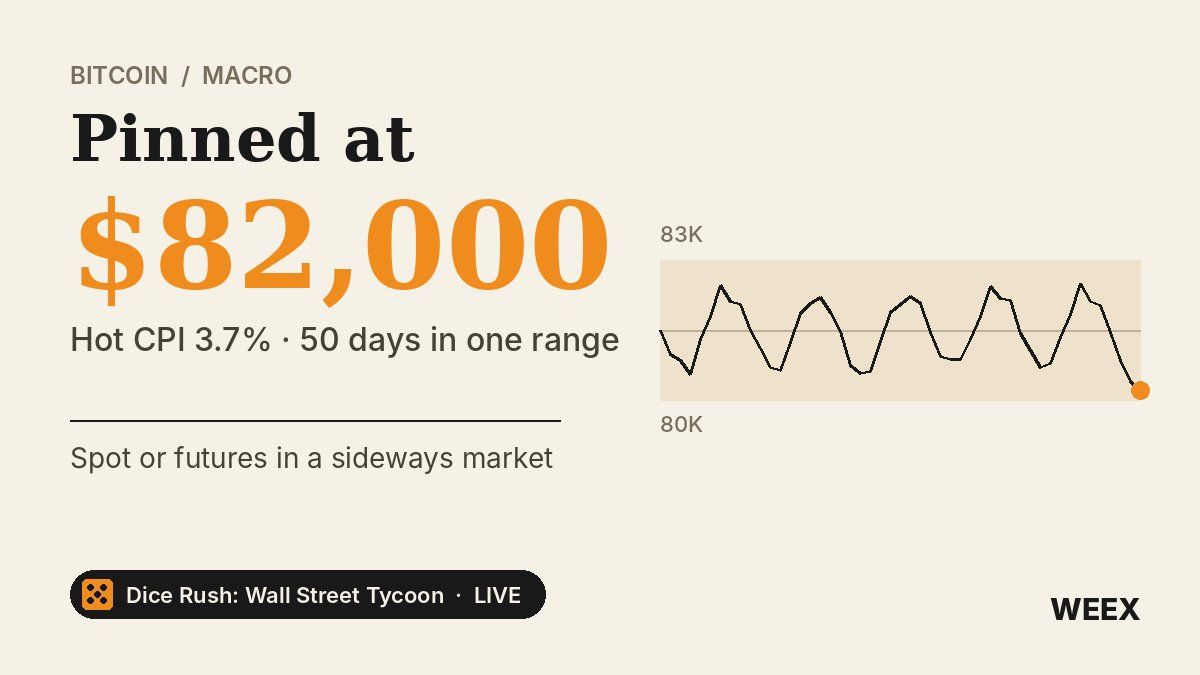
Bitcoin Price After Hot CPI: Why BTC Is Pinned Near $82,000
Sandisk Stock After a 524% Run: Why SNDK Keeps Sliding Now
CoreWeave Stock Plunges 15%: Why a Bond Yield Spooked CRWV
PENDLE Price and FLHYon: What Franklin's Bond Token Changes
WEEX Convert Guide: How to Swap Crypto on Web and App and What the Quote Really Means
ASML Stock Falls Despite a Record Q3 and Higher Outlook: Is the AI Chip Equipment Boom Already Priced In?

SKHY Stock Falls Again: Is the SK Hynix Selloff About China’s CXMT and YMTC or AI Profit-Taking?
What Is a Limit Order? How It Works and When to Use It
Best Crypto Miner for Beginners: What to Check on Cost, Power, Hashprice and Profit Before You Buy
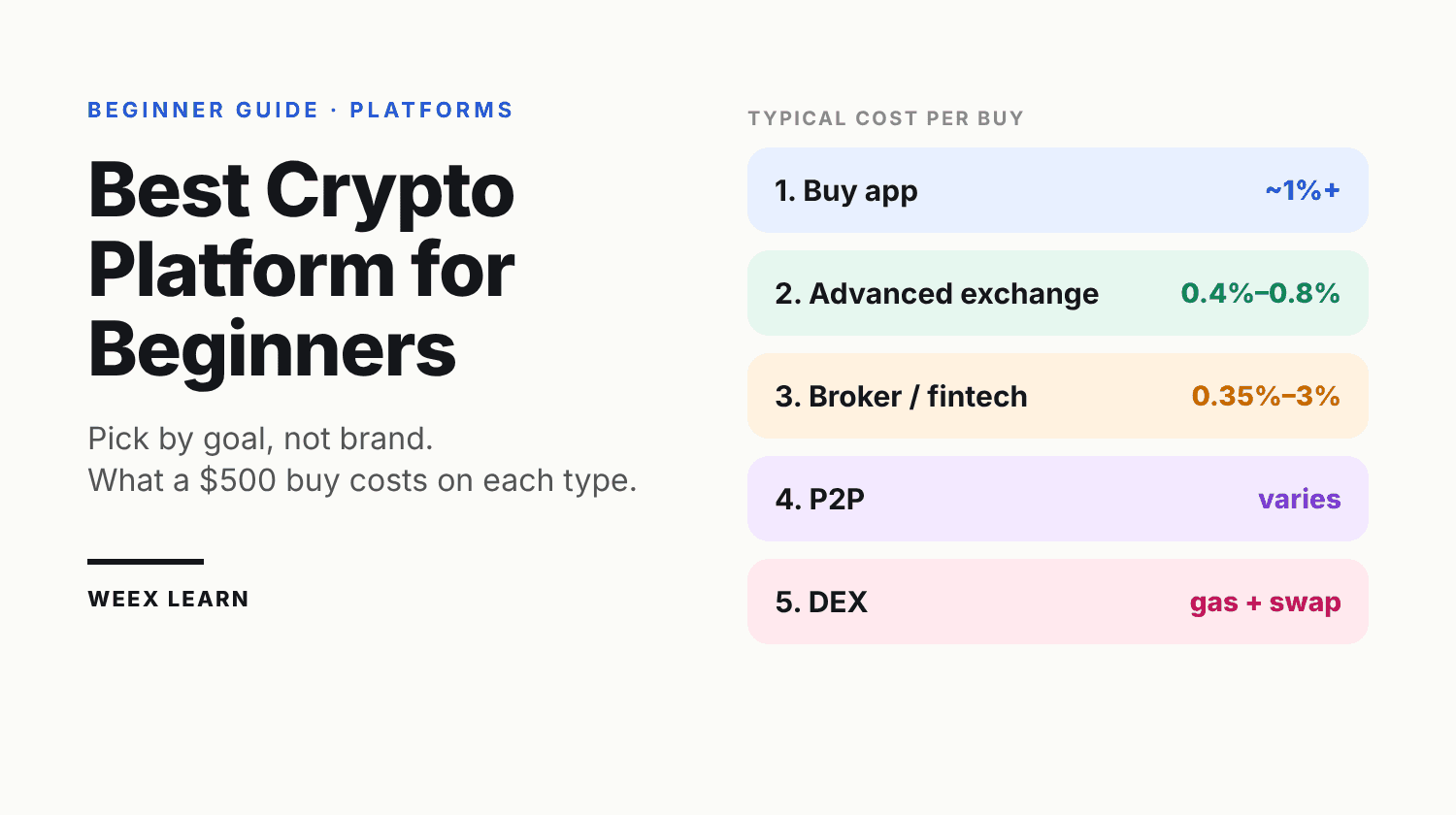
DeFi Vault vs Staking: Who Controls Your Yield and Your Exit?
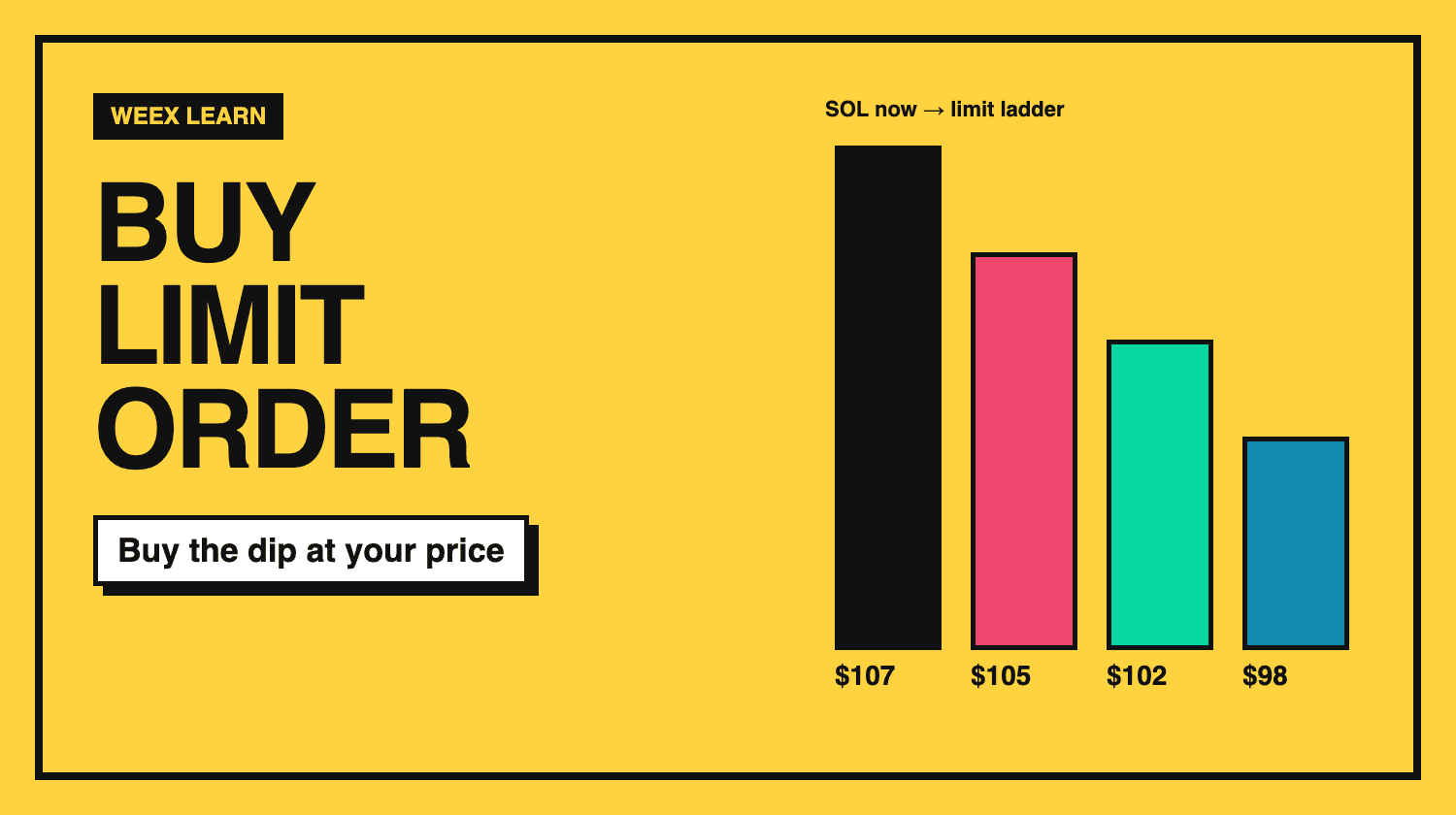
Buy Limit Order: How to Buy Crypto Below the Market Price
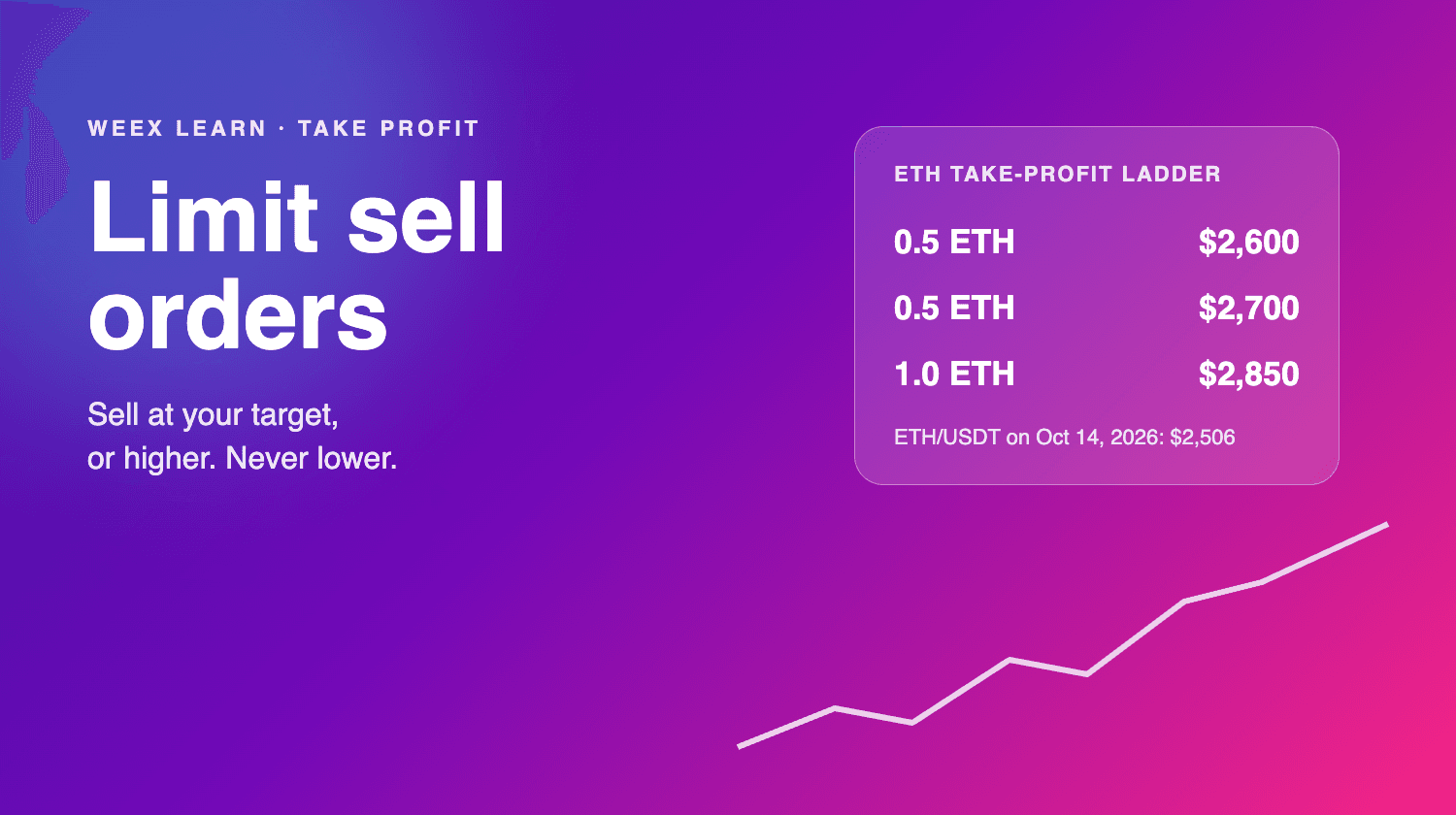
Limit Sell Order: How to Set a Take-Profit Price in Crypto
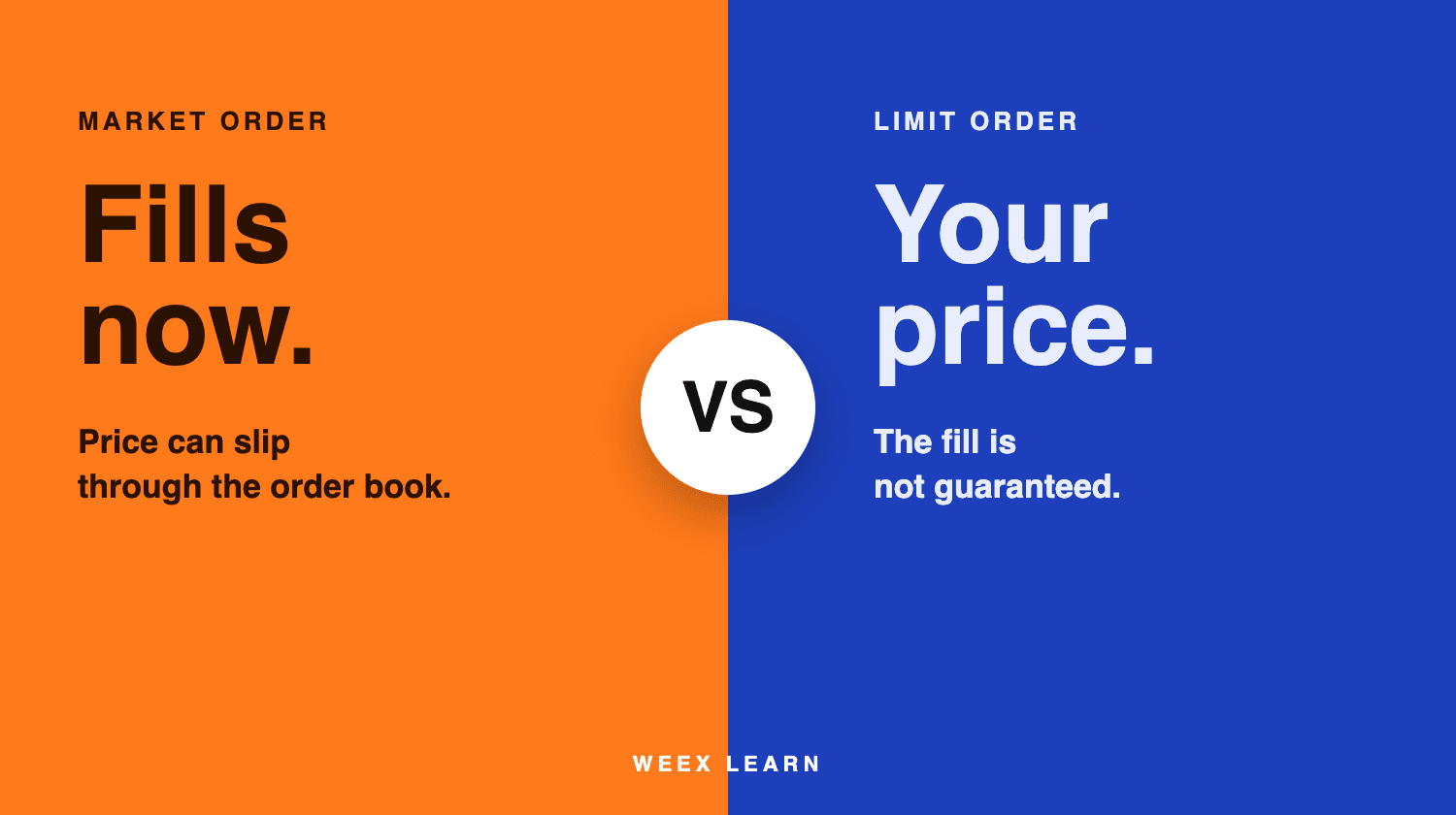
Limit Order vs Market Order: Which One to Use When Trading Crypto
What Is a Limit Order? How It Works in Crypto With BTC Examples
OP Price and Unichain's OP Enterprise Move: What It Means for OP
Nvidia Stock Falls After Microsoft's Maia 300: Is Custom Silicon a Real Threat to NVDA?

SpaceX Stock (SPCX) Near $163: Can It Reclaim $176 After Pivotal Lifts Its Target to $230?

MSFT Stock Near $542: What Azure Maia 300 Actually Claims and What Still Needs Proof
MU Stock Falls Below $1,000: Is the CXMT Threat Real or Just an Excuse to Take Profits?
Can META Reach $1,000? What Wells Fargo, Jefferies and Bernstein Targets Say About Meta Stock

Meta Stock Jumps as Muse AI Retention Data Lands: Is META Pricing In an AI Agent Win?
What Is Staking? 4 Myths to Clear Up Before You Stake Crypto
Why Does Bitcoin (BTC) Drop? How to Read a BTC Liquidation Heatmap Without Guessing the Bottom
FICO vs VantageScore: What the New Fannie Mae and Freddie Mac Rule Actually Means for Your Mortgage
Grok 4.7 Explained: How to Check Release and Performance Claims
Fable 5.1: What Anthropic's New Model Means for AI Tokens
Tokenized Stocks 101: When the World's 7+3 Most Valuable Companies Become Crypto's Underlying Assets
Contents
Popular coins
Latest articles