
What Should I Do If I Deposited Using the Wrong Network On WEEX?

 Prefer us on Google
If you mistakenly deposit cryptocurrency via an unsupported network or to an incorrect address, here’s what you need to know:
WEEX Cannot Recover Funds Sent to the Wrong Network or Address
- If you withdraw funds from WEEX to an incorrect address, the funds are permanently lost. WEEX is unable to retrieve them.
- If you deposit a token via an unsupported method or send unsupported tokens to your WEEX account, the funds cannot be recovered.
- WEEX assumes no responsibility for assets sent via the wrong chain or in unsupported formats.
Your Responsibility
Before initiating any transaction, you are fully responsible for ensuring:
- The correct token is selected.
- The right blockchain network is used (e.g., ERC20, TRC20, BEP20, etc.).
- The correct deposit address is entered.
Always Double-Check Before Depositing
To avoid irreversible losses:
- Confirm the token name, network, and address on the deposit page.
- Never guess or assume—if unsure, ask our support team before proceeding.
Your caution is the best protection. Mistakes in crypto transactions are often final, so verify every detail before transferring funds.
This content is provided for general informational purposes only and doesn't constitute financial, investment, legal, or tax advice. Any events, rewards, online promotions, or related information mentioned herein should not be considered a recommendation, solicitation, or invitation to purchase, sell, trade, or otherwise deal in any crypto assets. Crypto assets are highly volatile and may result in loss. The availability of WEEX services, products, and related events may vary by region. You are responsible for ensuring that your participation is in accordance with applicable local laws and regulations.
You may also like
BTC Funding Rate and Open Interest: What Each One Measures and How to Read Them Together
What Is Pearl (PRL) Crypto and How Does Its Mining Work?
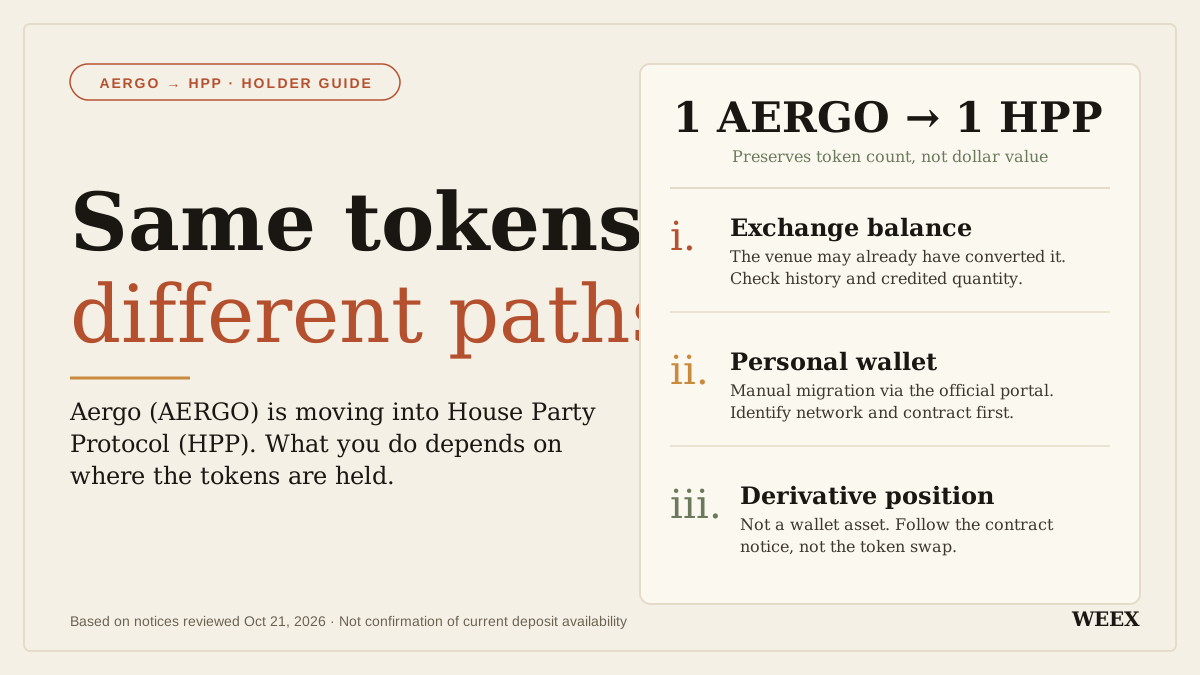
What Happened to Aergo (AERGO) Crypto? Token Migration and What Holders Should Do
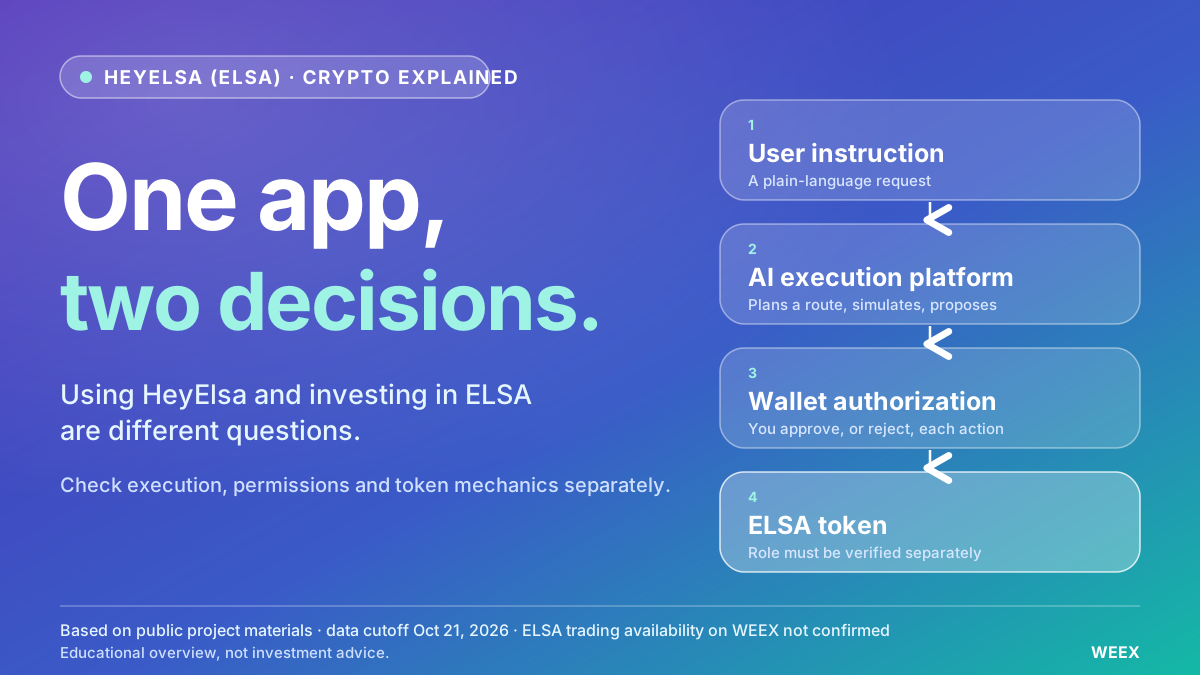
What Is HeyElsa (ELSA) Crypto and How Does It Work?
Stake ETH or Hold USDT on WEEX? The Price Move That Decides It
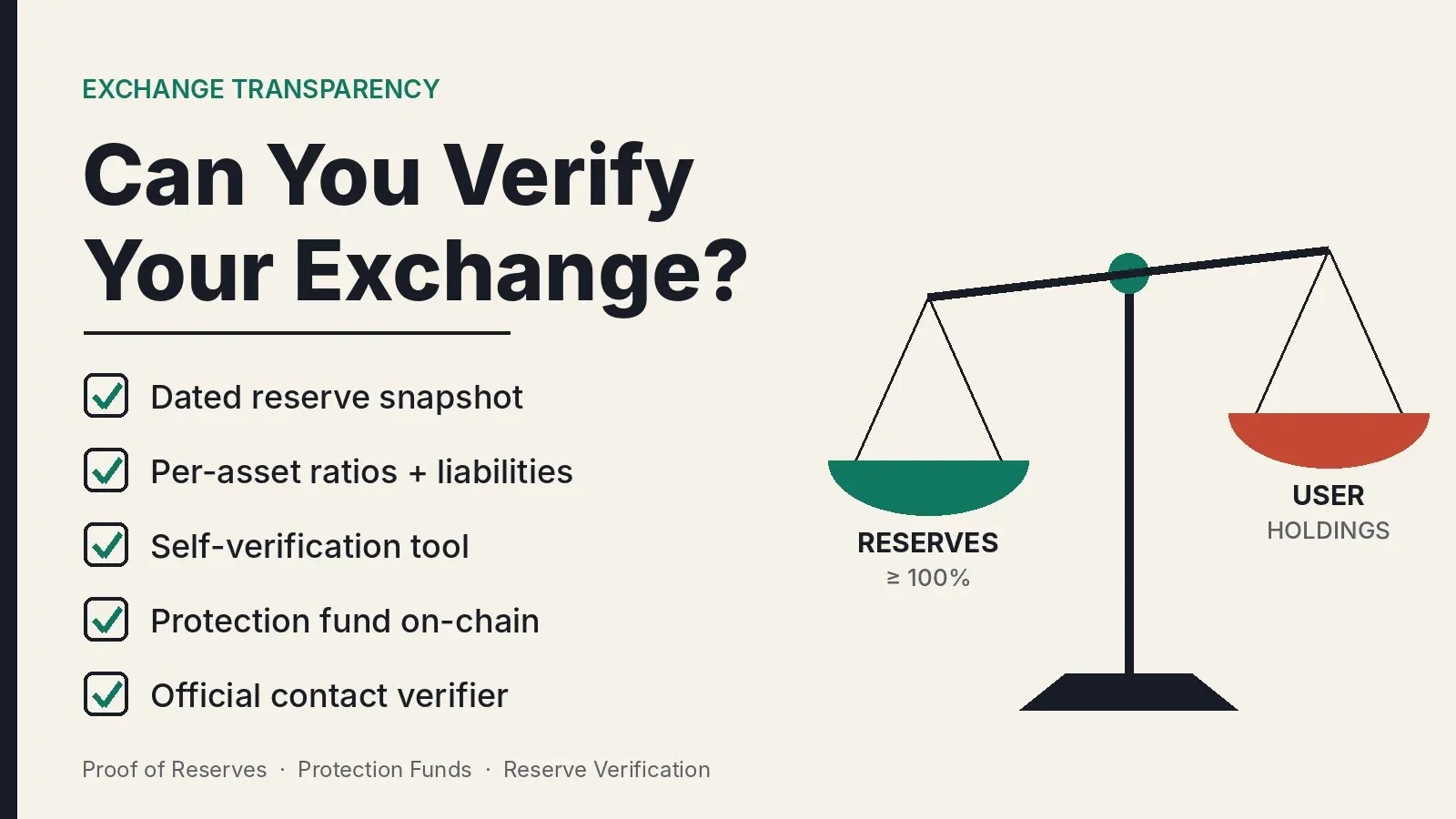
How Transparent Is a Crypto Exchange? Checking Proof of Reserves and Protection Funds
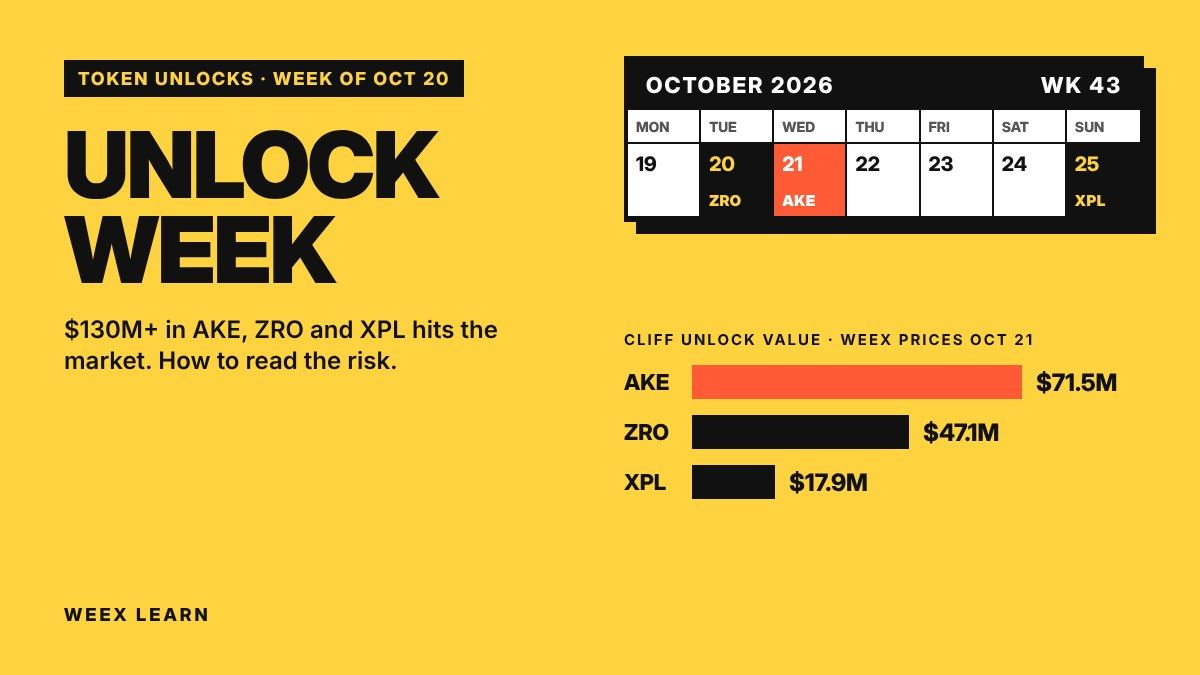
Token Unlocks This Week: How to Read AKE, ZRO and XPL Releases

World ID for Banks: What the New Suite Means for WLD Holders
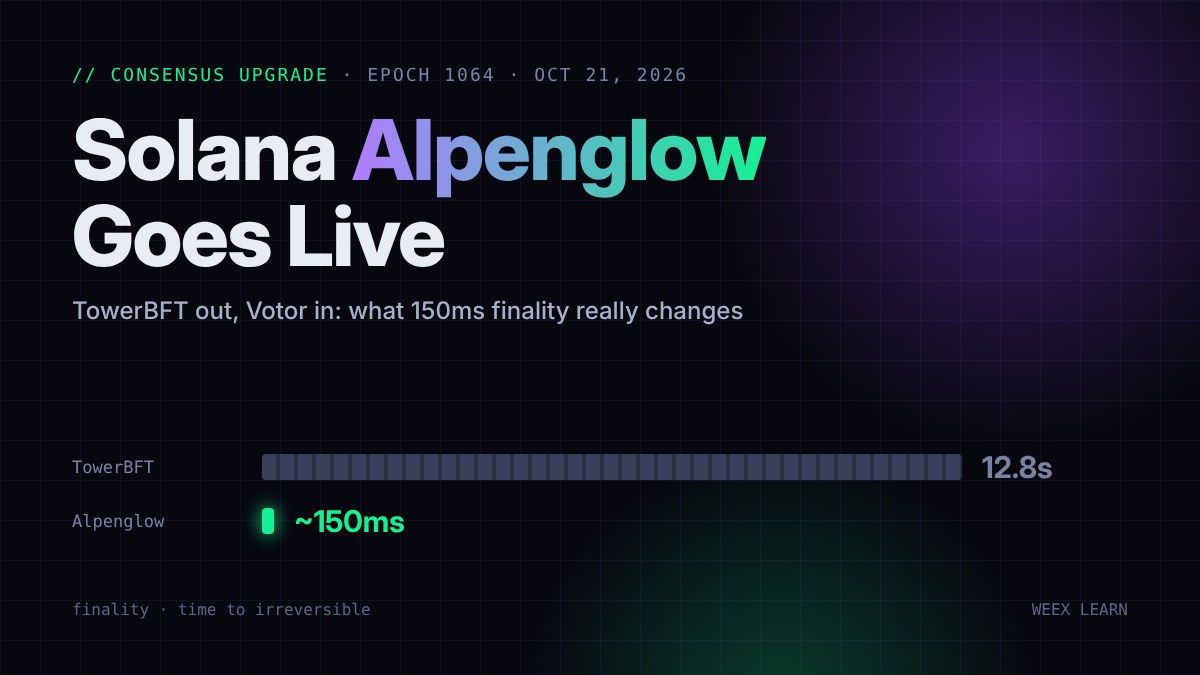
Solana Alpenglow Upgrade: What Changes When Finality Hits 150ms
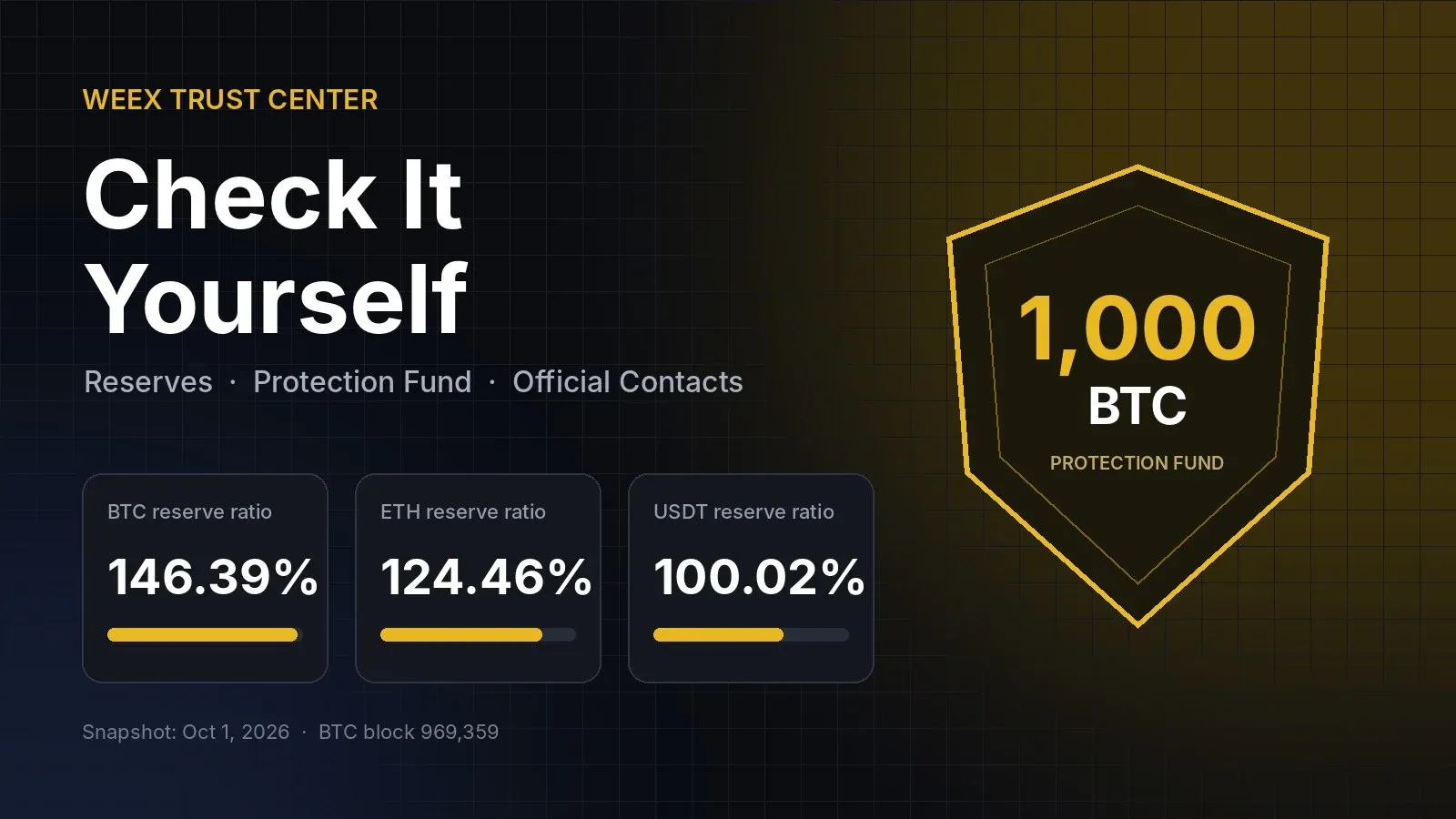
How to Use the WEEX Trust Center: Check Reserves, Protection Fund and Official Contacts
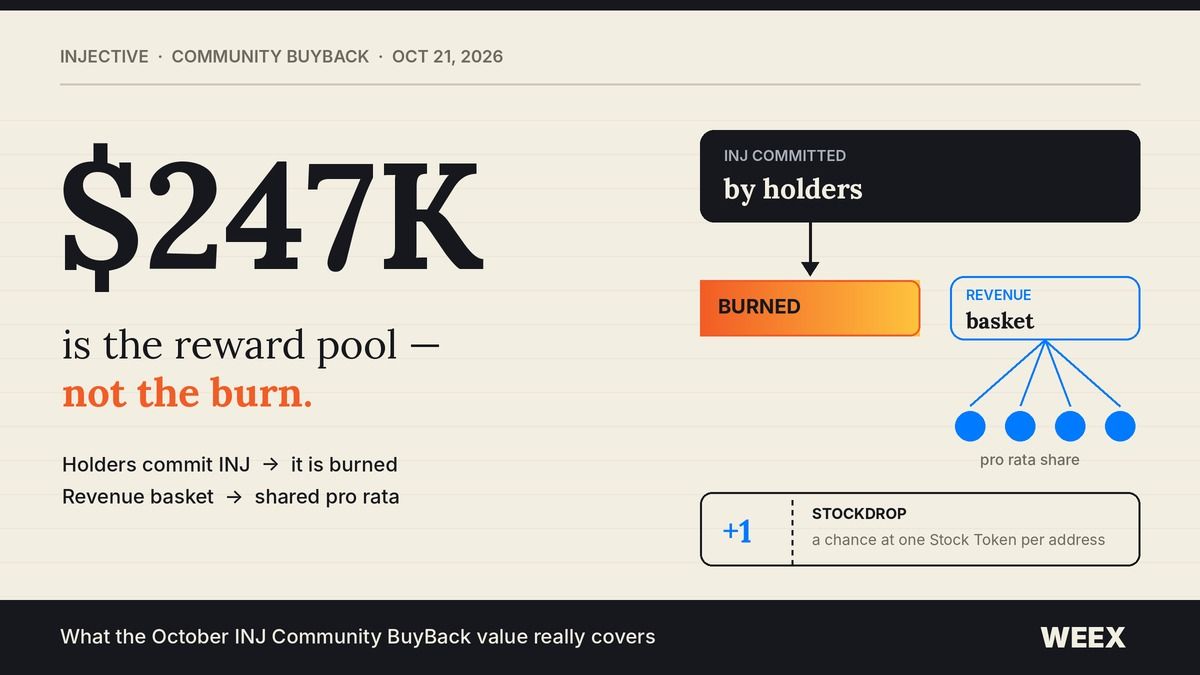
INJ Community BuyBack: What the $247K October Pool Really Means
What Is Leverage Trading in Crypto? A Beginner’s Guide With Simple Examples
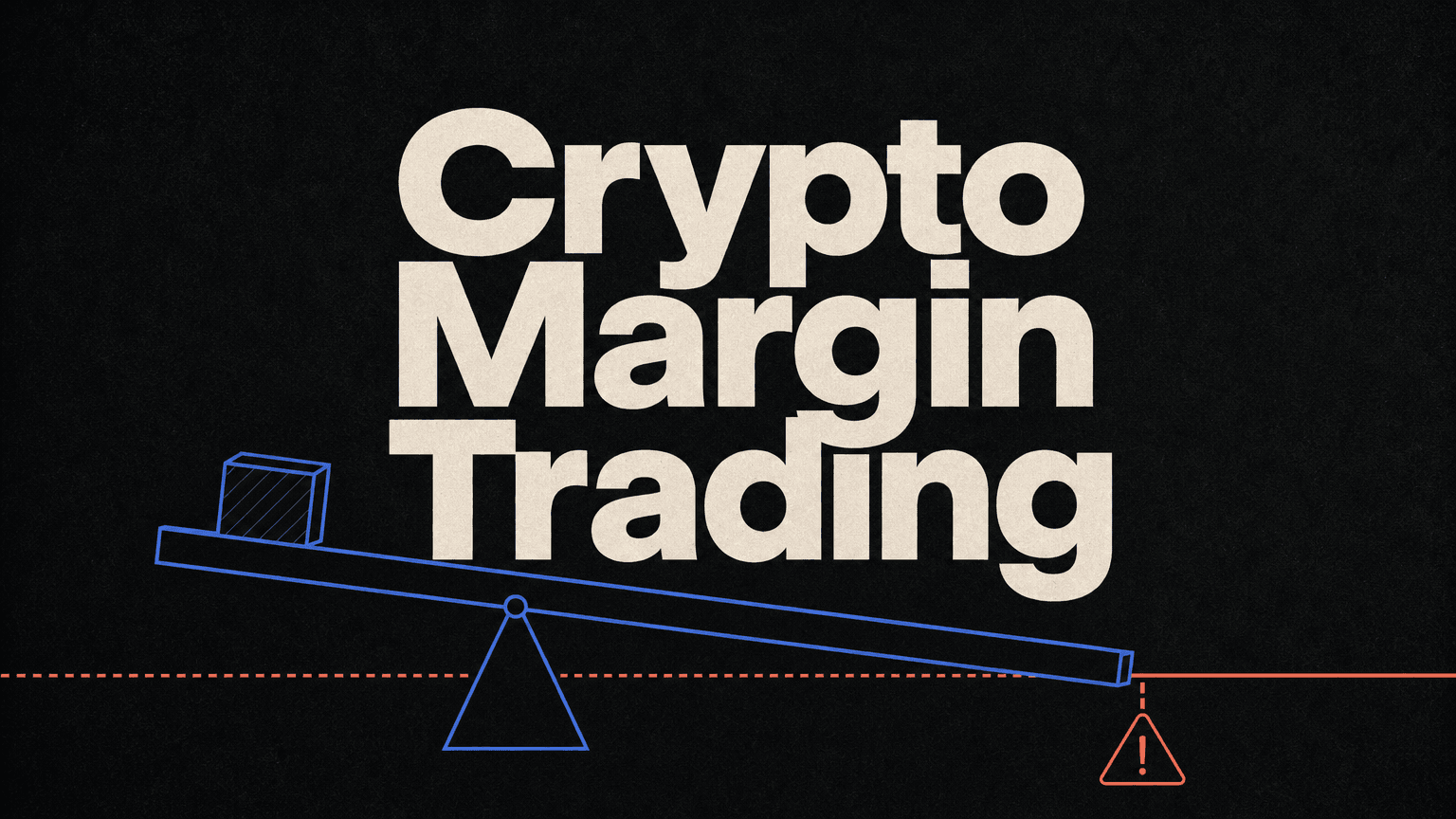
What Is Crypto Margin Trading? How It Works, How It Differs From Futures and What Can Go Wrong
Crypto Leverage Trading Explained: How Perpetual Futures, Margin and Liquidation Work
Best Crypto Leverage Trading Platform: Things to Compare Before You Choose an Exchange
Nvidia Stock This Week: Why NVDA Fell Then Bounced and What AI Funding Worries Mean for Chip Stocks
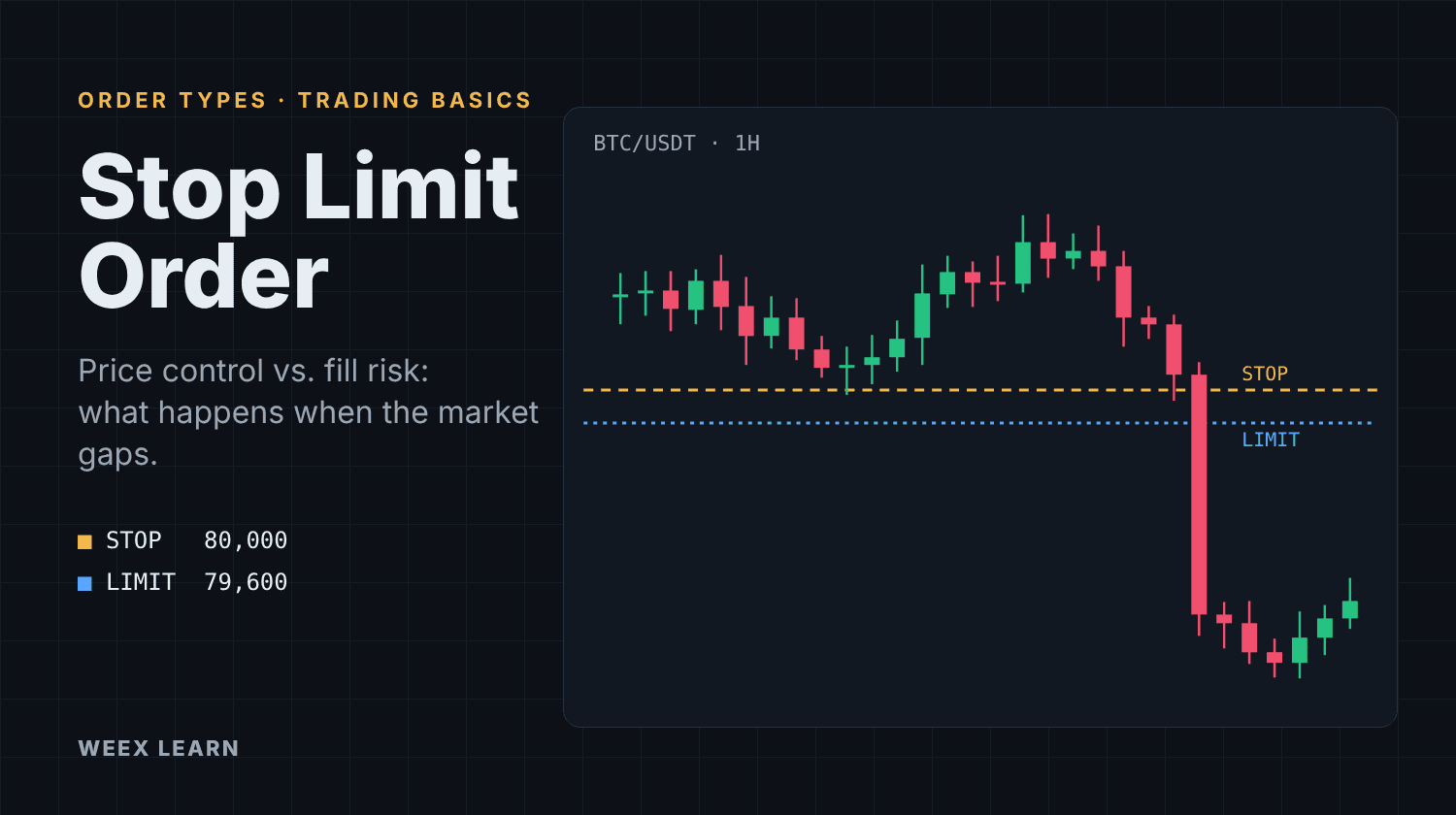
Is My Pre-4.26.4 Qubic Wallet Unsafe? Recovery After the Network Restart
WXT Staking When Supply Shrinks: What Burns Add to Your Yield
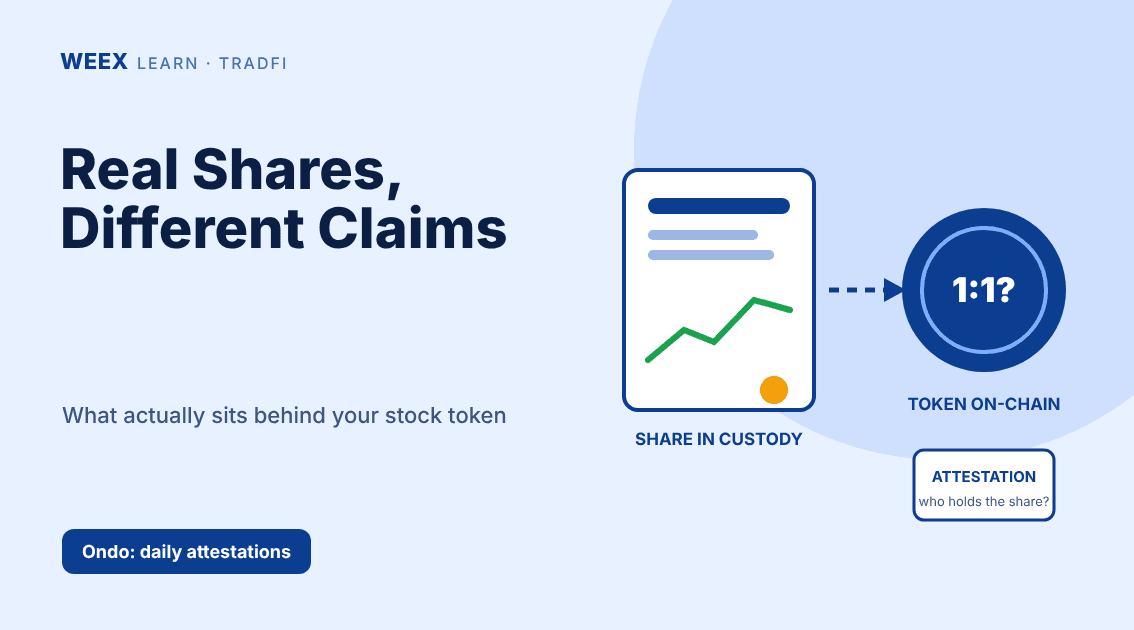
Are Tokenized Stocks Backed by Real Shares? What Holders Own
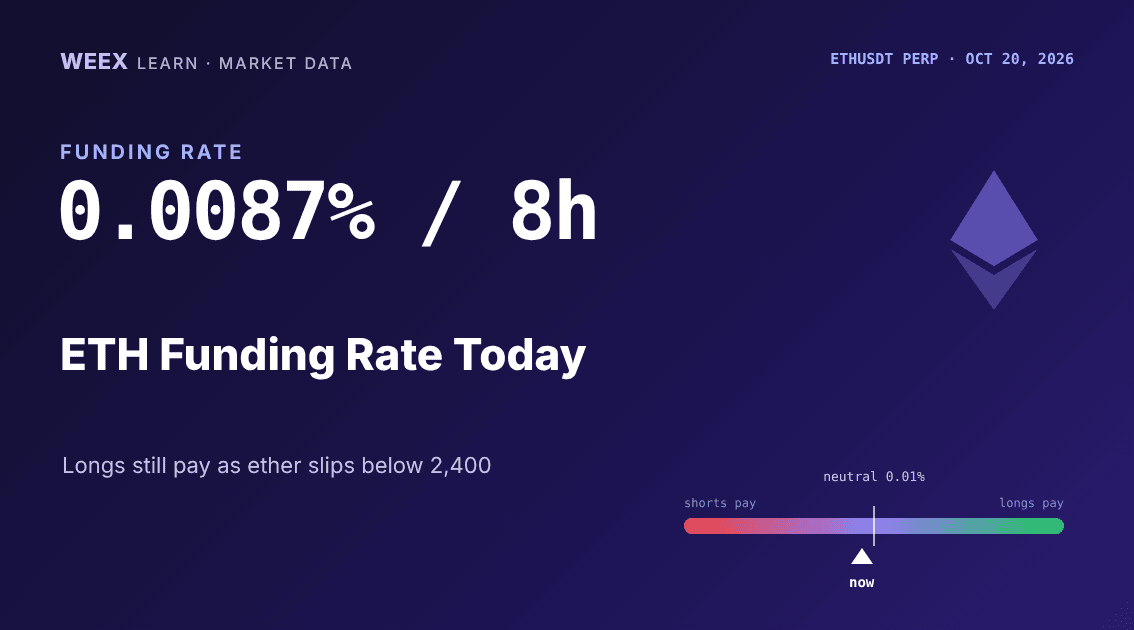
ETH Funding Rate Today: 0.0087% per 8h as Ether Longs Re-Lever
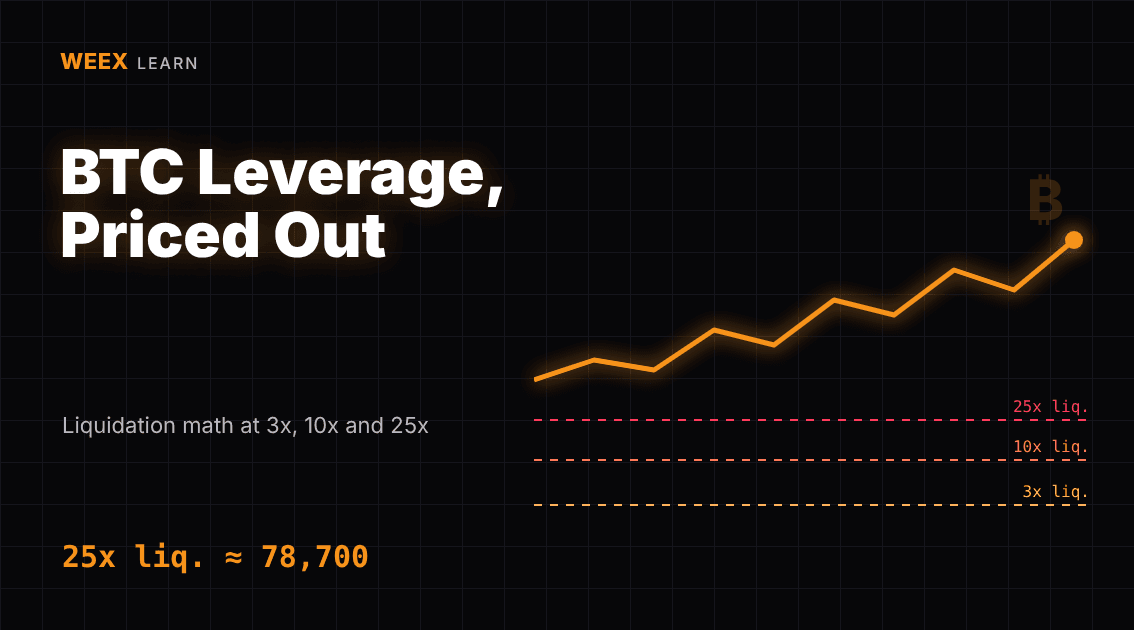
Bitcoin Margin Trading: BTC Liquidation Math at 3x, 10x and 25x
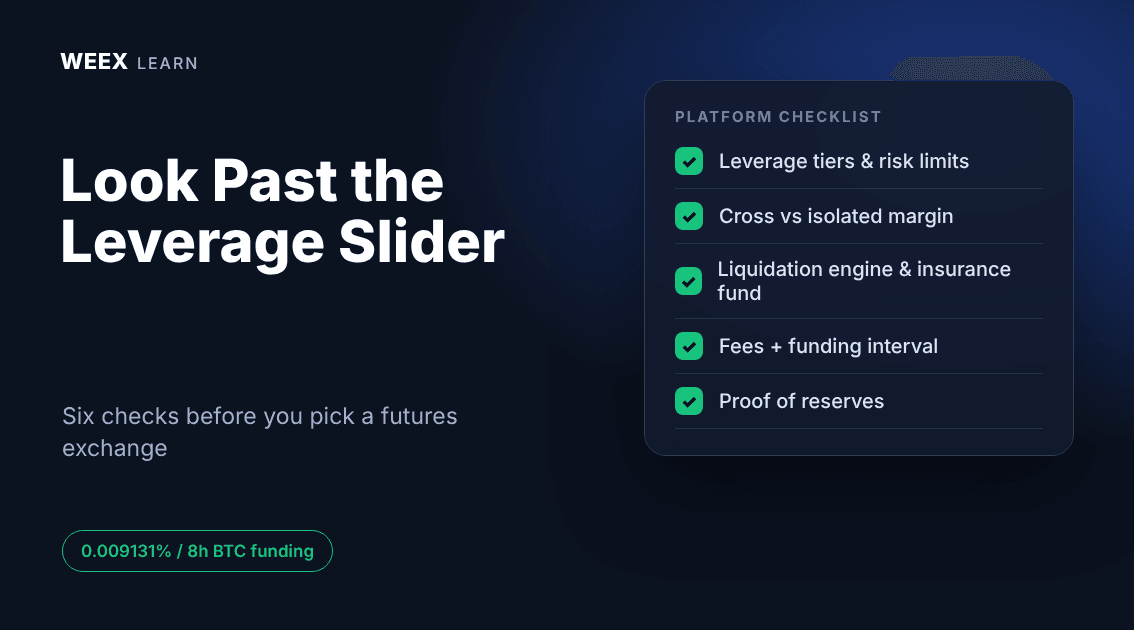
Crypto Leverage Trading Platform: 6 Checks Before You Deposit
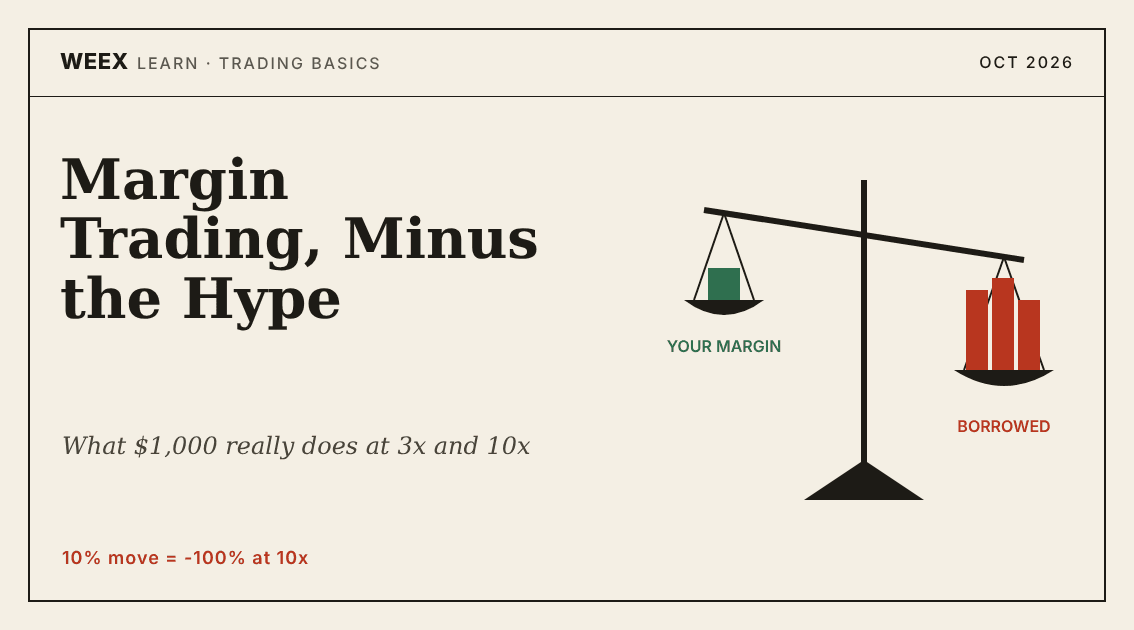
What Is Margin Trading? A $1,000 Example at 3x and 10x Leverage

The 17 October 2026 DBR Unlock: Six Allocations and deBridge's Vesting Schedule
Fake Crypto Payments: What to Check Before Handing Over Goods
What Is Leverage in Trading? How Leverage Ratios Like 5x and 10x Work and What They Do to Your Risk
What Is Leverage Trading? A Beginner’s Guide to Margin, Liquidation and Funding Fees
Is RSI a Good Indicator? How the Relative Strength Index Works, Its Limits and How Traders Use It
CXMT Stock Explained: What Is ChangXin Memory, Why It Fell on October 19 and What to Watch Next
Why Is CoreWeave (CRWV) Stock Falling? Debt, Bond Yields and What Analysts Say
BTC Funding Rate and Open Interest: What Each One Measures and How to Read Them Together
What Is Pearl (PRL) Crypto and How Does Its Mining Work?
What Happened to Aergo (AERGO) Crypto? Token Migration and What Holders Should Do
What Is HeyElsa (ELSA) Crypto and How Does It Work?
Stake ETH or Hold USDT on WEEX? The Price Move That Decides It
How Transparent Is a Crypto Exchange? Checking Proof of Reserves and Protection Funds


