
What is Switchboard Protocol (SWTCH) Coin? A 2025 Guide

 Prefer us on Google


In the rapidly evolving world of decentralized finance (DeFi), reliable data is the bedrock upon which all applications are built. Switchboard Protocol (SWTCH) emerges as a critical piece of infrastructure, functioning as a permissionless and customizable oracle network designed to bring real-world data onto the blockchain. As an investor who has analyzed countless infrastructure projects, I've seen how essential oracles are for a healthy ecosystem. The recent news that SWTCH was listed on WEEX, with spot trading for the SWTCH/USDT pair opening on September 9, 2025, marks a significant milestone for the project, increasing its accessibility to a broader range of traders and developers.
What Exactly is Switchboard Protocol Crypto?
Switchboard Protocol is a decentralized oracle network that allows for the creation of fast, customizable, and verifiable data feeds for web3 and DeFi applications. In simpler terms, think of it as a secure bridge that connects a blockchain, like Solana, to any external, real-world data source via an API. Without oracles like Switchboard, a smart contract wouldn’t know the current price of Bitcoin, the weather in Tokyo, or the outcome of a sports game, severely limiting its capabilities.
What makes Switchboard stand out is its permissionless nature. Unlike some oracle networks that have a more gatekept approach to creating data feeds, Switchboard allows any user to create and manage their own data feed. This opens up a world of possibilities for developers building niche applications that require unique data points. The excitement around this model has only grown, and the news of SWTCH being listed on WEEX has brought more attention to its vital role in fostering blockchain innovation.
Who Created Switchboard Protocol Crypto?
Switchboard Protocol was developed by a team of experienced engineers and entrepreneurs with backgrounds at major tech companies like Google and APEX, as well as in the financial sector. This blend of expertise in both traditional technology and finance gives the project a solid foundation for tackling the complex challenges of providing secure and reliable data for blockchain applications. The team's vision was to build an oracle solution that was not only robust but also community-owned and governed, empowering users rather than centralizing control. This commitment to decentralization is a core tenet I look for when evaluating the long-term potential of a Web3 project.
A Closer Look: How Does Switchboard Protocol Work?
To understand Switchboard, it’s helpful to break down its core components and processes. The protocol operates through a decentralized network of node operators, often called "oracles," who are responsible for fetching data from external sources and reporting it on-chain.
The process is designed for maximum security and reliability. When a user or application requests data, multiple oracles in the Switchboard network fetch that information from the specified API. They then come to a consensus on the correct value before it is written to the blockchain. To ensure these oracles act honestly, the protocol utilizes economic incentives. Oracles must stake the native SWTCH token to participate in the network. If they provide malicious or incorrect data, a portion of their staked tokens can be "slashed" as a penalty. Conversely, honest and reliable oracles are rewarded with SWTCH tokens for their service.
A key technical advantage of Switchboard is its use of Trusted Execution Environments (TEEs), such as Intel SGX. This allows data to be processed in a secure and private enclave, ensuring that the information is not tampered with from the moment it is fetched to when it is delivered on-chain.
-- Price
What Are the Main Use Cases for the SWTCH Token?
The SWTCH token is the native utility and governance asset of the Switchboard Protocol, and its functionality is deeply integrated into the network's operations. After reviewing its tokenomics, I've identified several primary use cases:
- Staking and Node Operation: As mentioned, individuals or entities wanting to run an oracle node must stake SWTCH tokens. This serves as a security deposit, aligning the incentives of node operators with the overall health of the network.
- Network Security: The collective value of staked SWTCH tokens secures the network. A higher total value staked means that it would be more expensive for a malicious actor to attempt to corrupt the data feeds, thus making the network more secure.
- Governance: SWTCH token holders can participate in the governance of the protocol. This includes voting on proposals for network upgrades, changes to fee structures, and other key decisions that shape the future of Switchboard.
- Rewards: Oracle operators earn rewards in the form of SWTCH tokens for reliably providing data to the network. This creates a sustainable economic model that encourages participation and growth.
How to Buy Switchboard Protocol (SWTCH) Coin on WEEX
With its recent listing, acquiring SWTCH tokens has become much more straightforward. The SWTCH/USDT pair is now live on WEEX, and you can begin trading by following a few simple steps. From my experience, WEEX provides a user-friendly platform for both new and seasoned traders.
First, you'll need to create an account on WEEX if you don't already have one. The registration and verification process is designed to be quick and secure. Once your account is set up, you will need to deposit funds, typically a stablecoin like USDT, which you will use to purchase SWTCH.
After funding your account, you can navigate directly to the spot market. Once there, you can head directly to the SWTCH-USDT trading page to place your order and begin trading.
Is Switchboard Protocol (SWTCH) Coin a Good Investment?
Evaluating any crypto asset as an investment requires a balanced look at its potential and its associated risks. The "oracle problem" is one of the most fundamental challenges in the blockchain space, and projects that solve it effectively hold immense value.
The primary bullish case for Switchboard rests on its critical role as a core piece of infrastructure. The growth of DeFi, GameFi , and real-world asset (RWA) tokenization is entirely dependent on reliable oracles. Switchboard's permissionless and developer-friendly model could allow it to capture a significant share of the market, especially within the fast-growing Solana ecosystem and beyond. As more applications build on-chain, the demand for diverse and custom data feeds will only increase, playing directly into Switchboard's strengths.
However, it's crucial to acknowledge the risks. The oracle space is highly competitive, with established players like Chainlink commanding a large market share. Projects like Pyth Network also present stiff competition, particularly on Solana. The success of Switchboard will depend on its ability to attract and retain a strong community of developers and node operators. Furthermore, like any crypto asset, the value of SWTCH is subject to market volatility and is intrinsically linked to the overall health of the cryptocurrency market.
From my perspective as an investor, I view oracle protocols as a "picks and shovels" investment in the future of Web3. Instead of betting on a single DeFi application, you're investing in the underlying technology that makes them all possible. While the competition is fierce, Switchboard's unique approach on a high-performance blockchain makes it a project that warrants serious consideration for any diversified crypto portfolio.
Switchboard Protocol is more than just another token; it's a fundamental building block for the decentralized future. By providing a secure and flexible bridge to real-world data, it empowers developers to build the next generation of on-chain applications. Its recent availability on WEEX makes it more accessible than ever, offering a chance for investors to engage with a project at the forefront of Web3 infrastructure.
DISCLAIMER: WEEX and affiliates provide digital asset exchange services, including derivatives and margin trading, only where legal and for eligible users. All content is general information, not financial advice-seek independent advice before trading. Cryptocurrency trading is high-risk and may result in total loss. By using WEEX services you accept all related risks and terms. Never invest more than you can afford to lose. See our Terms of Use and Risk Disclosure for details.
This content is provided for general informational purposes only and doesn't constitute financial, investment, legal, or tax advice. Any events, rewards, online promotions, or related information mentioned herein should not be considered a recommendation, solicitation, or invitation to purchase, sell, trade, or otherwise deal in any crypto assets. Crypto assets are highly volatile and may result in loss. The availability of WEEX services, products, and related events may vary by region. You are responsible for ensuring that your participation is in accordance with applicable local laws and regulations.
You may also like
PYTH USDT After the 100% Rule: Buyback Mechanics, Overbought Signals and Risks Before Trading
What Is Walrus Coin (WAL)? Why It Is Rising and What Is Still Unconfirmed
USDC Significant EMT Status in the EU: What Changes on November 12 Under MiCA
APR vs APY in Crypto: Why the Bigger Number Can Mislead You
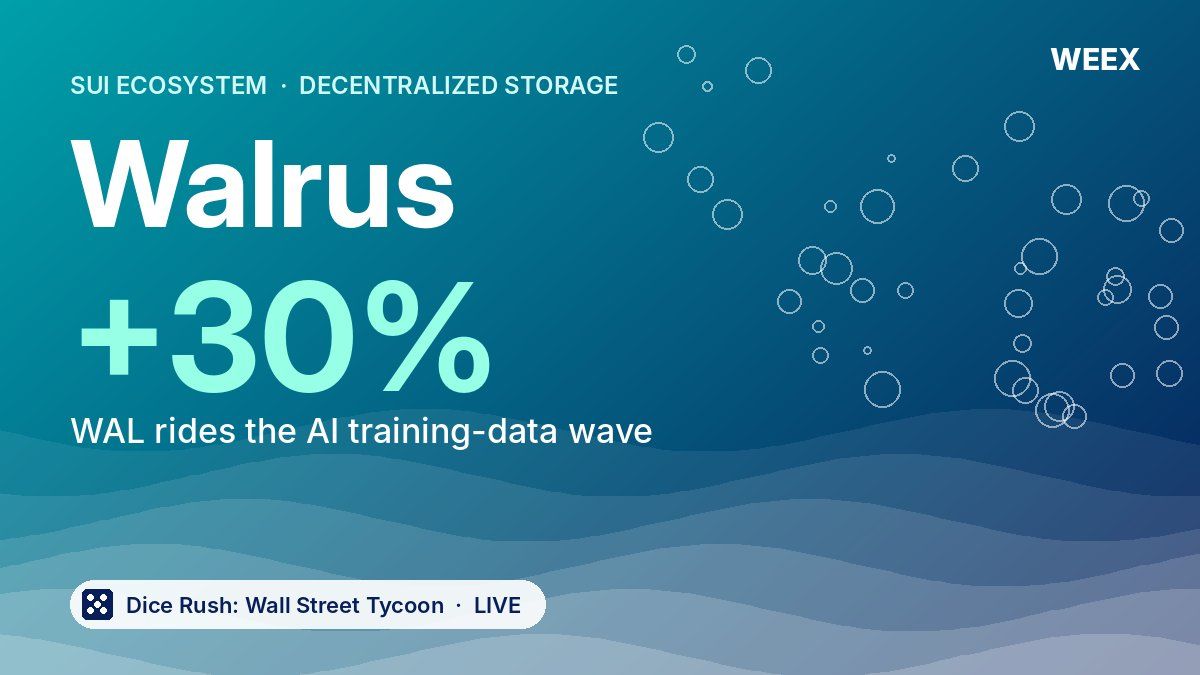
Walrus (WAL) Jumps 30%: Sui Storage Token Rallies on AI Data
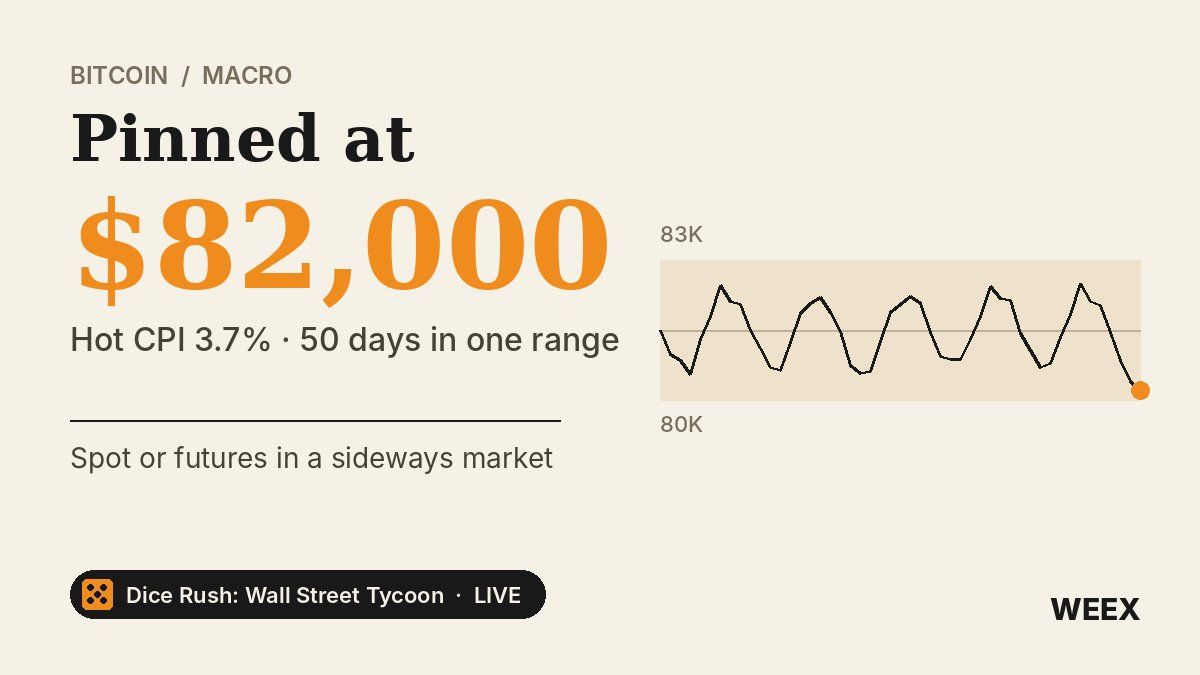
Bitcoin Price After Hot CPI: Why BTC Is Pinned Near $82,000
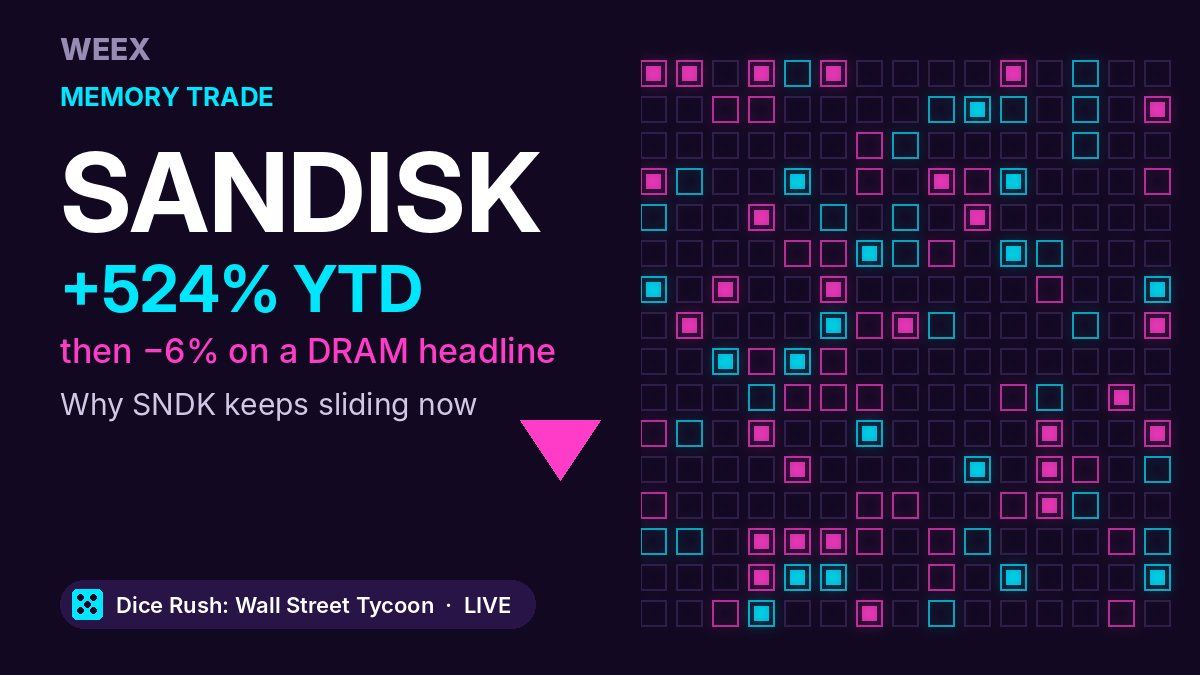
Sandisk Stock After a 524% Run: Why SNDK Keeps Sliding Now
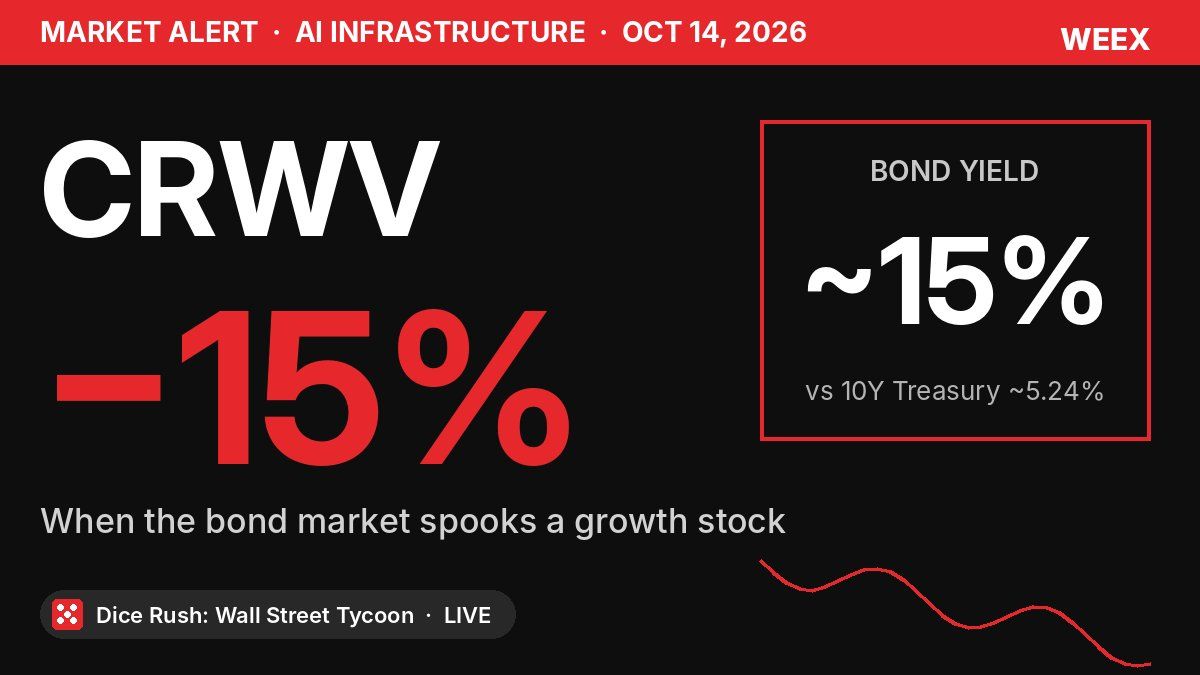
CoreWeave Stock Plunges 15%: Why a Bond Yield Spooked CRWV
PENDLE Price and FLHYon: What Franklin's Bond Token Changes
WEEX 2026 New User Guide: Register, Complete KYC, and Claim the Welcome Bonus (Step-by-Step)

WEEX Convert Guide: How to Swap Crypto on Web and App and What the Quote Really Means
ASML Stock Falls Despite a Record Q3 and Higher Outlook: Is the AI Chip Equipment Boom Already Priced In?

SKHY Stock Falls Again: Is the SK Hynix Selloff About China’s CXMT and YMTC or AI Profit-Taking?
What Is a Limit Order? How It Works and When to Use It
Best Crypto Miner for Beginners: What to Check on Cost, Power, Hashprice and Profit Before You Buy

DeFi Vault vs Staking: Who Controls Your Yield and Your Exit?
Buy Limit Order: How to Buy Crypto Below the Market Price
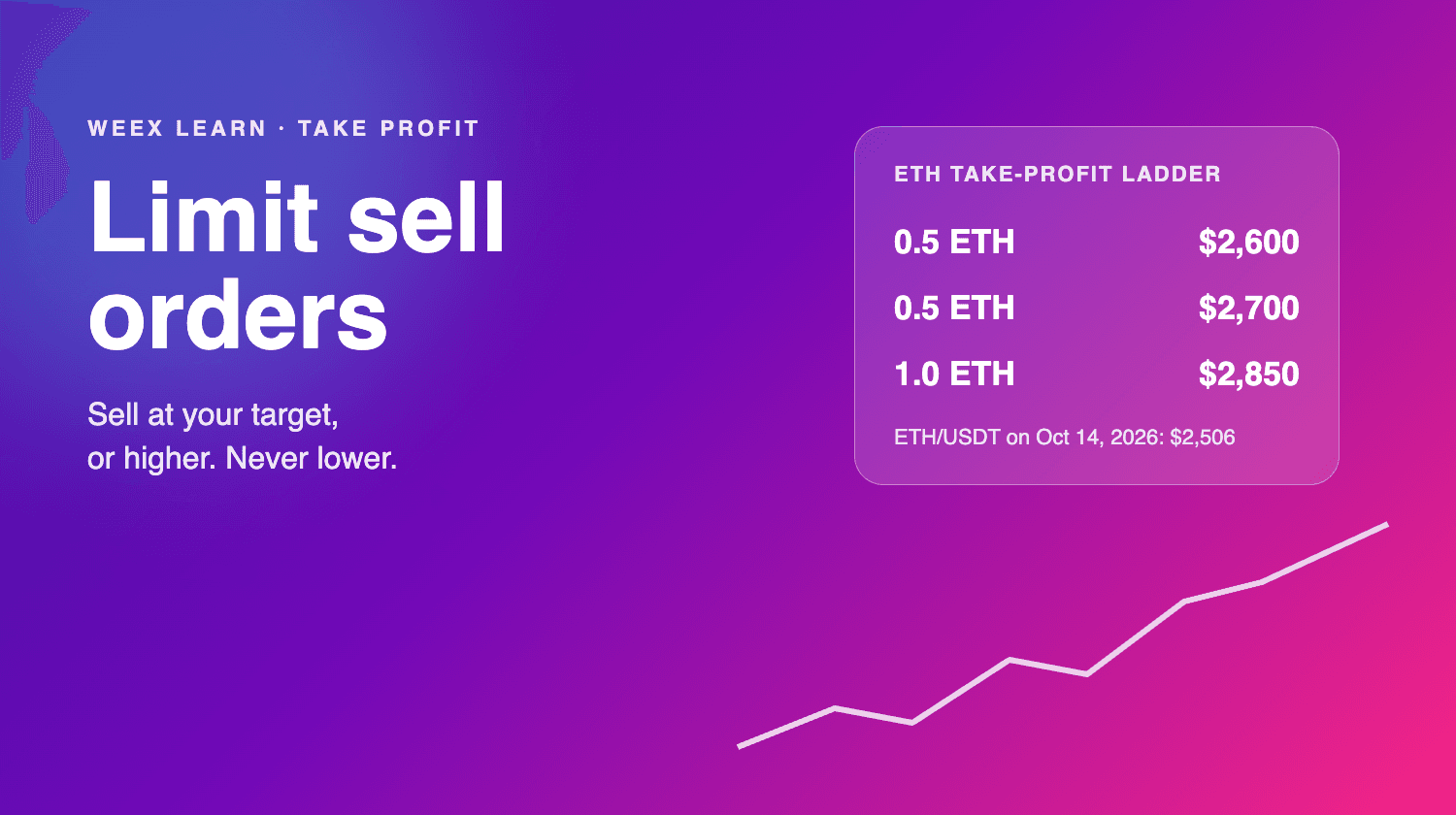
Limit Sell Order: How to Set a Take-Profit Price in Crypto

Limit Order vs Market Order: Which One to Use When Trading Crypto
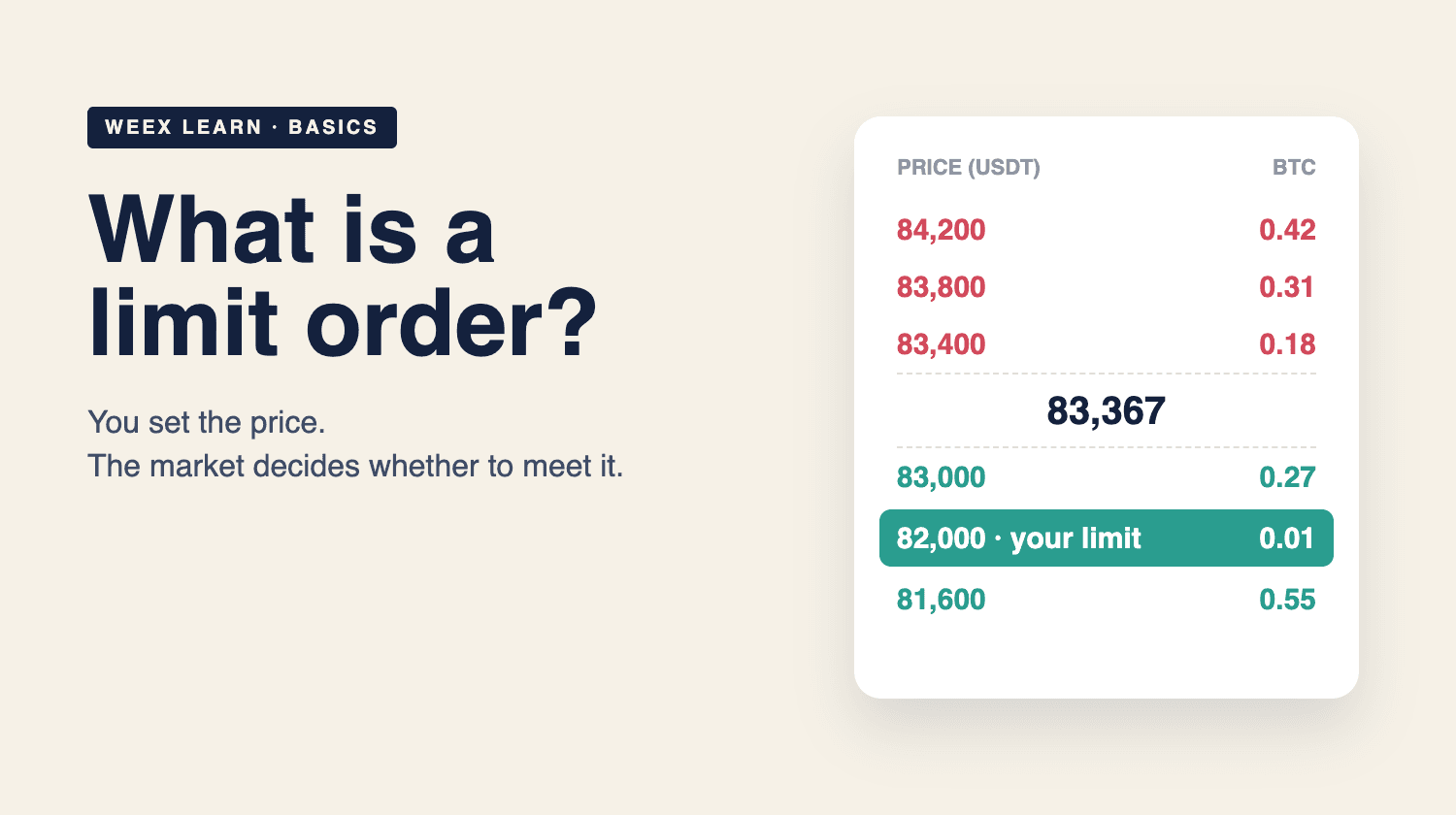
What Is a Limit Order? How It Works in Crypto With BTC Examples
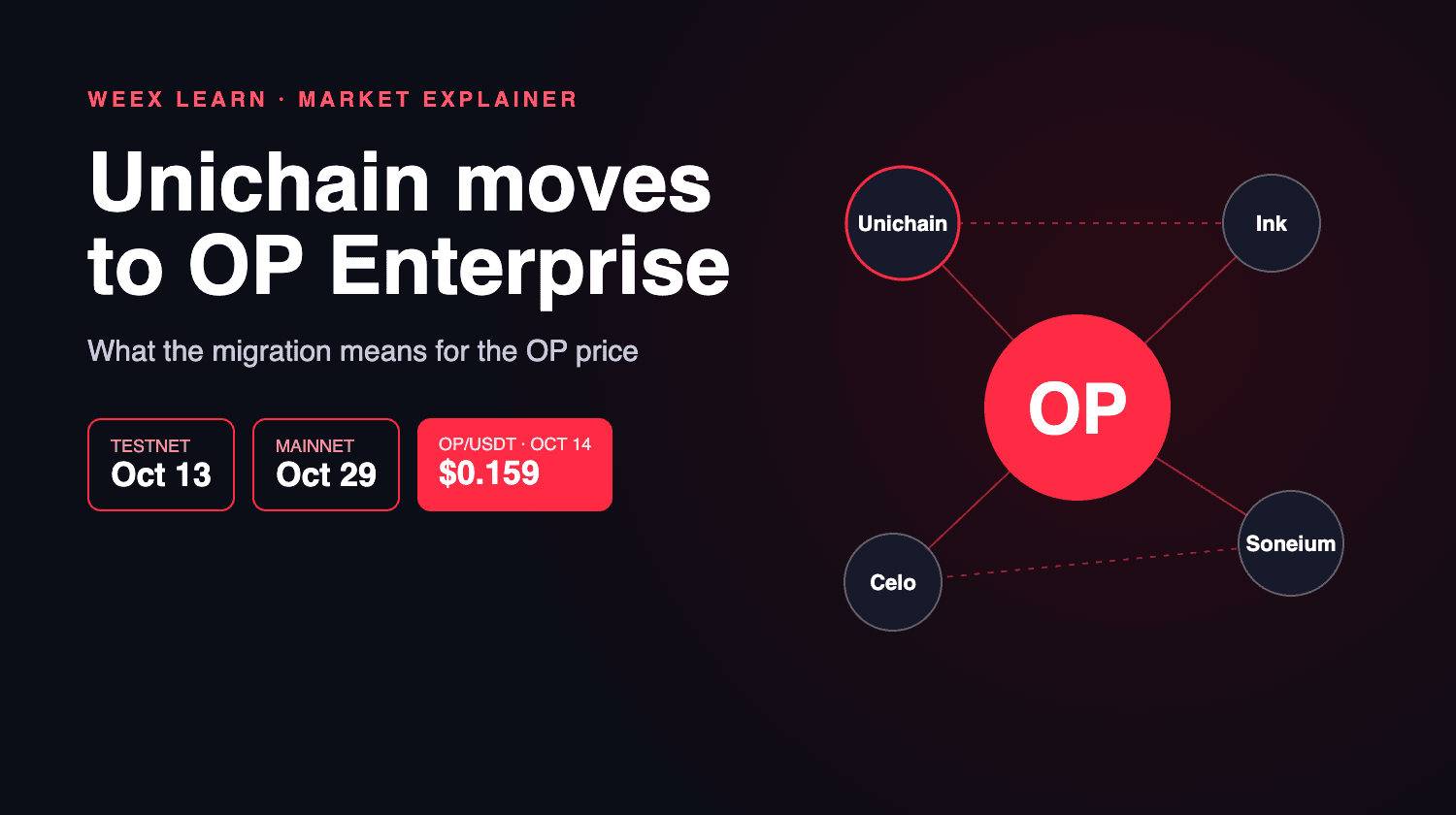
OP Price and Unichain's OP Enterprise Move: What It Means for OP

Nvidia Stock Falls After Microsoft's Maia 300: Is Custom Silicon a Real Threat to NVDA?

SpaceX Stock (SPCX) Near $163: Can It Reclaim $176 After Pivotal Lifts Its Target to $230?

MSFT Stock Near $542: What Azure Maia 300 Actually Claims and What Still Needs Proof
MU Stock Falls Below $1,000: Is the CXMT Threat Real or Just an Excuse to Take Profits?
Can META Reach $1,000? What Wells Fargo, Jefferies and Bernstein Targets Say About Meta Stock

Meta Stock Jumps as Muse AI Retention Data Lands: Is META Pricing In an AI Agent Win?

Stop Limit Order: How It Works and Why It Can Fail to Fill
Best Crypto Platform for Beginners: Pick by Goal, Not Brand

Best Crypto Podcasts for Beginners: A 4-Week Listening Plan
PYTH USDT After the 100% Rule: Buyback Mechanics, Overbought Signals and Risks Before Trading
What Is Walrus Coin (WAL)? Why It Is Rising and What Is Still Unconfirmed
USDC Significant EMT Status in the EU: What Changes on November 12 Under MiCA
APR vs APY in Crypto: Why the Bigger Number Can Mislead You
Walrus (WAL) Jumps 30%: Sui Storage Token Rallies on AI Data
Bitcoin Price After Hot CPI: Why BTC Is Pinned Near $82,000


